
Just because a health insurer claims you owe them money doesn’t mean you have to pay the full amount. Under California Civil Code § 3040, there are strict caps on how much a health insurance carrier (like Kaiser, Blue Cross, or Anthem) can take from your settlement. Generally, they cannot take more than the cost of medical services provided, and they must reduce their claim to account for your attorney’s fees. Furthermore, under the “Common Fund Doctrine,” because we did the work to recover the money, the insurance company must pay their share of the legal costs, often reducing their lien by 33% to 40% automatically.

Settlement & Resolution: Lien Negotiation — How to Protect Your San Diego Settlement Before the Money Disappears
The single most important rule is this: do not treat lien letters like “billing issues” after the case is resolved. Under California Law, liens and reimbursement claims can attach to settlement proceeds and change what you actually take home, so you have to verify, document, and negotiate them before any release-and-check sequence is finalized.
- Confirm the lien’s legal basis before you argue about the amount.
- Time the resolution so you don’t create a delay that the insurer uses as leverage.
What Lien Negotiation Really Looks Like in San Diego When the Insurer “Agrees” to Settle
Here’s the part most people don’t see: settlement is not “the end,” it’s a controlled closing where third parties line up to be paid from your recovery. I’ve had San Diego cases where the insurer is ready to cut the check, but lien holders and reimbursement departments are still playing hardball because they know delay pressures the injured person.
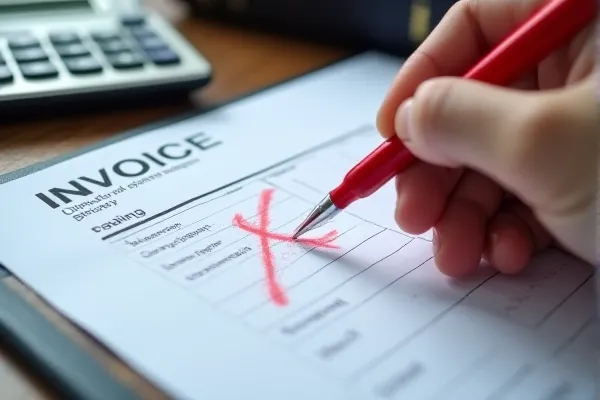
Realistic scenario: a client treats at a San Diego hospital, then follows up with physical therapy and a specialist. The health plan asserts reimbursement, the hospital asserts a lien, and there’s a short-term workers’ comp component that triggers a statutory reimbursement claim. If the case is pending in San Diego Superior Court, lien posture can affect how the settlement is structured and how cleanly the release is drafted, because the defense wants global peace. California Law is what decides whether a claimed amount is enforceable and whether it can be reduced.
- Verification first: who is claiming, under what authority, and for what dates of service.
- Reduction strategy: align the lien with provable causation and the net settlement reality.
- Closing discipline: don’t let lien chaos stall the check or force a bad compromise.
Why California Law and San Diego Superior Court Context Matter to Lien Outcomes
San Diego lien negotiations happen in the shadow of litigation risk, even when the case settles. If a case is filed or could be filed in San Diego Superior Court, defendants and insurers care about finality and documentation because a loose closing can create follow-on disputes. California Law matters because different lien types have different caps, different prerequisites, and different proof burdens, and a “lien” that isn’t supported by the right statute is just a demand letter.
- Health plan and insurer reimbursement claims are not interchangeable with provider liens.
- Hospital lien rules in California have specific conditions and leverage points.
- Workers’ compensation reimbursement is a statutory system with its own math and priorities.
The “Immediate 5” Lien Questions San Diego Clients Ask at Settlement
1) What kinds of liens can legally attach to my California personal injury settlement?
In San Diego injury cases, the most common categories are: provider liens (especially hospital liens), health plan reimbursement claims, Medi-Cal recovery claims, and workers’ compensation reimbursement. California law treats these differently; for example, hospital liens are governed by Civil Code section 3045.1 and related provisions, while Medi-Cal recovery is governed by Welfare and Institutions Code section 14124.71. The first step is classification, because the negotiation leverage and the documentation requirements change based on which legal bucket the claim actually fits.
- Don’t assume “lien” equals “valid”; it must be supported by the right authority.
- Always tie claimed charges to the accident dates, providers, and causation record.
2) How do Civil Code lien caps affect what a health plan or provider can take from my settlement?
Civil Code sections 3040 and 3040.1 are the backbone statutes that limit and structure certain reimbursement and lien recoveries from settlement proceeds. In practical terms, they create a statutory framework for reducing what is claimed so the injured person is not zeroed out by medical billing leverage. In a San Diego case, those caps matter most when the settlement is moderate and the bills are high, because the negotiation needs a legal anchor, not a plea.
- Caps are not automatic without documentation; you apply them with proof and a clear demand.
- If the lien holder can’t explain how the statute applies, that’s a negotiation pressure point.
3) What proof do I need to challenge a lien amount in a San Diego case?
You challenge lien value with medical records, billing ledgers, itemized statements, and a clean treatment timeline that separates accident-related care from unrelated care. Civil Code section 3045.4 matters in hospital lien disputes because it connects to the enforceability and mechanics of hospital lien claims under the California framework. In real-world San Diego negotiations, documentation beats argument: you reduce claims by showing what is properly attributable, what is duplicative, and what is unsupported.
- Request itemization and dates-of-service alignment; vague totals are where overreach hides.
- Use the record to separate emergency care from later non-causal complaints.
- Keep a single chronology so the lien department cannot cherry-pick “gaps.”
4) How do Medi-Cal and workers’ comp liens change the settlement math in California?
Medi-Cal recovery in personal injury cases is governed by Welfare and Institutions Code section 14124.71, and it operates as a reimbursement system that requires careful accounting before distribution. Workers’ compensation reimbursement rights arise under Labor Code section 3852, and allocation issues are influenced by Labor Code section 3856. In San Diego, these liens can be the difference between a settlement that helps and a settlement that disappoints, so the resolution plan has to address them early.
- Medi-Cal recovery is paperwork-heavy; missing documentation creates delay and pressure.
- Workers’ comp reimbursement is statutory; you negotiate with the statute in hand.
5) When should liens be resolved so my settlement doesn’t get delayed or reduced by insurer tactics?
Liens should be verified and actively negotiated before the release is finalized and before the settlement check sequence is locked, because delay is leverage and insurers know it. Hospital liens under Civil Code section 3045.1 can be used as a timing tool if the file is not organized, and the longer it drags, the more pressure the injured person feels to accept a bad reduction plan. In San Diego cases, the cleanest closes happen when lien resolutions are documented in writing and the settlement distribution plan is ready when the insurer funds.
- Resolve validity first, then reduction, then obtain written confirmation of the final payoff.
- Don’t let “we’re reviewing” stall the check; set clear documentation deadlines.

Lien negotiation is not just calling a billing office. It’s proof, authority, and sequencing. If you control those three, you control the close.
- Authority: identify the statute and whether its prerequisites are satisfied.
- Proof: tie charges to accident-related treatment with a clean record.
- Timing: negotiate before the release-and-check moment becomes a squeeze.
Magnitude Expansion: How Lien Negotiation Changes Case Value at the Finish Line
A) Evidence Evaluation in San Diego Cases
At the lien stage, evidence is not about fault, it’s about causation and accounting. Medical records and a consistent treatment timeline protect you from lien overreach because they show what care is truly tied to the collision. Billing ledgers and itemization protect you from inflated totals and duplicate coding that quietly inflates what a lien holder “demands.”
- Police reports vs medical records: the report doesn’t prove what care was necessary; the chart does.
- Scene photos vs repair documentation: these help explain mechanism when a lien department argues “minor impact.”
- Treatment timeline consistency: gaps and off-topic visits are where reimbursement departments argue for reductions to you, not to them.
B) Settlement vs Litigation Reality
Once a case is filed in San Diego Superior Court, the defense becomes more disciplined about global closure, but third-party lien holders still protect their own balance sheets. This is the practical reality: settlement value is what survives after liens and reimbursement, and the closer you are to trial posture, the less patience everyone has for disorganized lien files. The only way to keep your net value intact is to negotiate with authority and documentation, not emotion.
- Litigation pressure helps settlement posture, but it does not automatically reduce liens.
- Clean documentation makes lien reductions feel “safe” for the lien holder’s compliance team.
C) San Diego-Specific Claim Wrinkles
San Diego cases commonly involve emergency care followed by long treatment arcs, and lien departments often focus on the early records to argue later treatment is “not related.” Traffic density and multi-vehicle freeway patterns also give insurers a habit of slow-walking funding while they “review” exposures, which increases pressure on injured people to cave on liens. My job at the finish line is to keep the settlement from being quietly re-priced after the handshake.
- Multi-vehicle freeway collisions: causation arguments can show up again at the lien stage as “not from this crash.”
- Common insurer patterns: delay and paperwork requests are used to create financial fatigue.
- Provider systems: large San Diego billing departments often require precise, written payoff protocols.
Lived Experiences
Garrett
The settlement sounded good until I saw the lien letters and realized I might walk away with almost nothing. My attorney broke down which claims were actually valid and pushed back with the records, and the final payoff numbers made the settlement feel real again.
Jamie
I kept getting bounced between departments and nobody would give a straight payoff amount. My attorney handled the lien negotiations in writing and got confirmed reductions, so the check didn’t sit in limbo and I wasn’t pressured into accepting a bad deal.
California Statutory Framework & Legal Authority
Every statute cited on this page is linked below to the official California Legislature site exactly as required.
|
Attorney Advertising, Legal Disclosure & Authorship
ATTORNEY ADVERTISING.
This content is provided for general informational and educational purposes only and does not constitute legal advice.
Under the California Rules of Professional Conduct and applicable State Bar of California advertising regulations,
this material may be considered attorney advertising.
Viewing or reading this content does not create an attorney-client relationship.
Laws and procedures governing personal injury claims vary by jurisdiction and may change over time.
You should consult a qualified California personal injury attorney regarding your specific situation before taking any legal action.
Responsible Attorney:
Richard Morse, California Attorney (Bar No. 289241).
Morse Injury Law is a practice name and location used by Richard Peter Morse III, a California-licensed attorney.
About the Author & Legal Review Process
This article was prepared by the legal editorial team supporting Richard Peter Morse III,
with the goal of explaining California personal injury law and claims procedures in clear, accurate, and practical terms for injured individuals in San Diego and surrounding communities.
Legal Review:
This content was reviewed and approved by Richard Morse, a California-licensed attorney (Bar No. 289241),
who concentrates his practice on personal injury litigation and insurance claim disputes.
With more than 13 years of experience representing injury victims throughout California,
Mr. Morse focuses on serious personal injury matters including motor vehicle collisions, uninsured and underinsured motorist claims,
premises liability, catastrophic injury, and wrongful death.
His practice emphasizes claims evaluation, insurance carrier accountability, and litigation in California courts when fair resolution cannot be achieved.
|