
The Hall of Justice (HOJ) at 330 West Broadway is the heartbeat of San Diego’s legal system. Under California Code of Civil Procedure § 395, this is the proper venue for most major corporate and injury lawsuits occurring in the city center. It handles “Unlimited Civil” cases (damages over $25,000) and Complex Litigation. Filing here requires strict adherence to the “San Diego Local Rules.” A mistake in filing a Case Management Statement or missing a department-specific deadline can get your case dismissed before it starts. We know these halls; we know what the judges in Departments 60-75 expect, and we use that local knowledge to keep your case moving fast.

Courts & Venues: Hall of Justice – Downtown San Diego — how to survive your first court-facing decision
If your injury case is moving toward filing, hearings, or trial work, the Hall of Justice isn’t a background detail — it’s the venue that sets the pace. Under California Law, the courthouse you’re in shapes deadlines, enforcement, and leverage. The single most important rule: treat venue and filing steps like evidence, because mistakes here don’t “wash out” later.
What I see when cases land at the Hall of Justice
I’ve handled enough San Diego cases to tell you this plainly: the Hall of Justice is where loose files get exposed. The defense adjusts posture when a matter is actually in San Diego Superior Court, because deadlines become enforceable and calendars become real. Under California Law, the difference between “we’re negotiating” and “we’re litigating” is whether the case is properly filed, properly served, and properly positioned for the department handling it.
Here’s a realistic Downtown San Diego scenario I’ve seen in different forms: an injured person is rear-ended, treatment is ongoing, and the insurer drags its feet until the two-year clock is near. The claimant waits too long, files in a rush, service gets sloppy, and suddenly the defense is pushing dismissal and delay instead of value. We fix it by building a clean filing plan, serving correctly, and forcing the defense into a schedule they can’t stall.
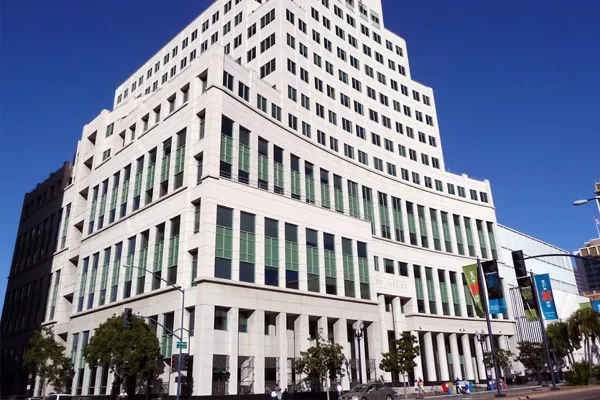
The Hall of Justice is a Downtown San Diego reality: security lines, courtroom assignments, crowded calendars, and judges who run a tight ship. If your case is filed here, you’re not just “in court” — you’re in a workflow where deadlines, motions, and trial dates are managed by a department system that expects discipline.
That discipline starts before you ever walk through the doors. In most injury cases, the statute of limitations is the first cliff: CCP § 335.1 gives you two years from the injury date to file. Miss it, and the case doesn’t get “weakened” — it often dies.
Why venue and courthouse mechanics matter under California Law
Venue is not a vibe. It’s statutory, and it’s strategic. When your case is in San Diego Superior Court, the defense can’t pretend the dispute is informal — they have to answer a complaint, comply with scheduling, and spend money on real litigation.
In plain terms, courthouse mechanics affect leverage because they affect timing. If you file in the right venue and serve correctly, you control the first real deadlines. If you don’t, the defense controls them — and insurers love any procedural mess that buys time.
The “Immediate 5” questions I hear from injured people headed to the Hall of Justice
1) Is the Hall of Justice where my personal injury lawsuit will actually be filed and heard?
Often, yes — but the correct answer depends on what division and department assignment your case receives once it’s filed in San Diego Superior Court. The Hall of Justice is a Downtown San Diego venue commonly associated with court operations and appearances, but your specific courtroom and schedule come from the court’s assignment process. The practical takeaway is this: you don’t plan around a building name; you plan around your case number, department, and hearing notices.
2) What decides whether San Diego is the correct venue for my case?
Venue is controlled by statute, not convenience. In many civil matters, the starting point is CCP § 395, which governs where an action may be tried based on proper county connections. In an injury case, we evaluate where the incident happened, where defendants can be sued, and how venue choices affect litigation cost and defense tactics in San Diego.
3) What are the first “court deadlines” that hit once we file in San Diego Superior Court?
Two deadlines matter immediately: filing within limitations and completing service correctly. The filing deadline in most injury cases is anchored by CCP § 335.1, and the service clock is driven by CCP § 583.210, which requires service within a specified timeframe after filing. If those steps are mishandled, the defense gains leverage without ever addressing your injuries.
4) What does “service of process” actually mean, and why do insurers care about it?
Service is how you give formal notice of the lawsuit in the legally required way — not a phone call, not an email, not a demand letter. The summons and complaint framework is tied to statutes like CCP § 412.20, which describes what a summons must contain. Insurers care because service triggers defense counsel assignments, answer deadlines, and litigation spend — and they’d rather delay all of that if your service is weak.
5) What should I expect the first time I have to appear Downtown at the Hall of Justice?
Expect court time to be structured and sometimes fast-moving: check-in, calendar calls, and brief argument windows. You should also expect the defense to use the courthouse setting to pressure decisions, especially if you’re unprepared or showing up without a clear plan. My rule for San Diego court appearances is simple: we walk in knowing the procedural posture, the next deadlines, and what we will not concede under pressure.
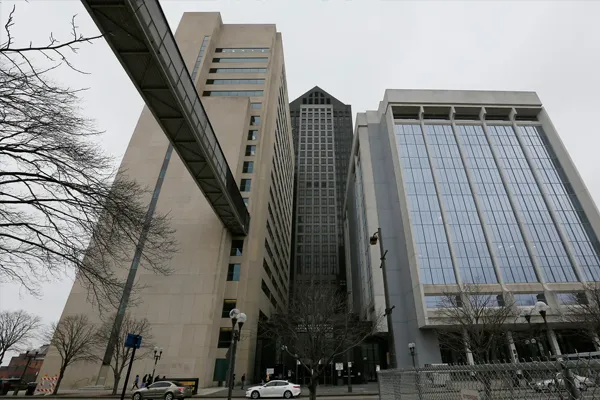
Here’s the part most people don’t realize until it’s too late: the courthouse is not just where your case gets “heard.” It’s where your leverage gets measured. If your file is clean — venue correct, service correct, timeline controlled — insurers and defense counsel see risk.
If your file is messy, they see opportunity. They don’t have to beat you on liability or damages if they can beat you on procedure first.
Magnitude expansion: what changes once you’re tied to a Downtown San Diego court calendar
A) Evidence Evaluation in San Diego Cases
Downtown court work rewards clean chronology. Police reports and medical records must align, and the treatment timeline has to make sense without you “explaining it away” on the fly.
- Police reports vs medical records: inconsistencies become cross-examination themes.
- Scene photos vs repair documentation: the defense uses mismatches to minimize force and injury.
- Treatment timeline consistency: gaps invite “not serious” and “unrelated” arguments.
- San Diego claims handling reality: insurers resist until the courthouse schedule forces spend and risk.
B) Settlement vs Litigation Reality
Once a case is filed in San Diego Superior Court, informal negotiation becomes formal risk. Motions, hearings, and trial settings create deadlines the defense can’t ignore — and that changes valuation because stalling starts costing real money.
Even before trial, the court calendar creates pressure points: answers, case management steps, discovery planning, and court-ordered timelines. That’s why I treat venue and early procedure as the foundation for settlement leverage, not an administrative chore.
C) San Diego-Specific Claim Wrinkles
San Diego collision cases carry patterns the defense knows well: freeway pile-ups, stop-and-go rear-enders, and “everyone braked” narratives. Downtown litigation adds another layer — the defense tries to use crowded calendars and hearing delays to wear people down.
- Traffic density and rear-end patterns: carriers try to normalize payouts by normalizing the crash.
- Multi-vehicle freeway collisions: blame-shifting becomes a strategy, not a fact dispute.
- Common Southern California resistance patterns: delay early, then pressure late when court feels intimidating.
Lived Experiences
Breanna
“I thought ‘going to court’ meant one day in a courtroom. Richard explained the Hall of Justice timeline and how the defense uses procedural confusion. Once the filing and service were handled correctly, the insurer stopped playing games and the case finally moved.”
Shawn
“Downtown court felt overwhelming, but Richard made it concrete: what the notice meant, what the next deadlines were, and what we weren’t going to concede. That preparation kept me calm and kept the defense from pushing me into a bad decision.”
California Statutory Framework & Legal Authority
|
Attorney Advertising, Legal Disclosure & Authorship
ATTORNEY ADVERTISING.
This content is provided for general informational and educational purposes only and does not constitute legal advice.
Under the California Rules of Professional Conduct and applicable State Bar of California advertising regulations,
this material may be considered attorney advertising.
Viewing or reading this content does not create an attorney-client relationship.
Laws and procedures governing personal injury claims vary by jurisdiction and may change over time.
You should consult a qualified California personal injury attorney regarding your specific situation before taking any legal action.
Responsible Attorney:
Richard Morse, California Attorney (Bar No. 289241).
Morse Injury Law is a practice name and location used by Richard Peter Morse III, a California-licensed attorney.
About the Author & Legal Review Process
This article was prepared by the legal editorial team supporting Richard Peter Morse III,
with the goal of explaining California personal injury law and claims procedures in clear, accurate, and practical terms for injured individuals in San Diego and surrounding communities.
Legal Review:
This content was reviewed and approved by Richard Morse, a California-licensed attorney (Bar No. 289241),
who concentrates his practice on personal injury litigation and insurance claim disputes.
With more than 13 years of experience representing injury victims throughout California,
Mr. Morse focuses on serious personal injury matters including motor vehicle collisions, uninsured and underinsured motorist claims,
premises liability, catastrophic injury, and wrongful death.
His practice emphasizes claims evaluation, insurance carrier accountability, and litigation in California courts when fair resolution cannot be achieved.
|