
In cases of Paraplegia or Quadriplegia, the “injury” is permanent, meaning the settlement must cover decades of future care. We do not rely on insurance estimates. We retain forensic economists and medical planners to create a “Life Care Plan” that accounts for inflation, 24/7 nursing needs, home modifications, and wheelchair replacements for the rest of your life. If the offer runs out in 10 years, the case was a failure. We ensure it lasts forever.

Spinal Cord Injury Lawyer in San Diego: what must happen first to protect your case
The single most important rule under California Law is this: protect the medical and crash record before the insurer defines it for you. In a spinal cord injury claim, the first days decide whether the file reads like a life-altering injury or like a “confusing complaint” that insurers try to minimize.
What I look for when a San Diego spinal cord injury case lands on my desk
A realistic San Diego scenario: a freeway collision triggers an ER evaluation, imaging, and a neurosurgery consult, then the patient is discharged with follow-up plans that do not match what the family heard in the hallway. Meanwhile, the carrier pushes “quick money” and asks for broad authorizations. Under California Law, that is when you either build a clean liability-and-damages record or you spend the next year undoing preventable confusion.
If we have to litigate, San Diego Superior Court is not just a building; it is a ruleset that forces accountability. Once the defense is on a formal litigation schedule at one of the San Diego venues, they stop valuing the case as a claims desk annoyance and start valuing it as a trial problem with real exposure. We apply the Morse Injury Law advantage to every filing, utilizing the legal framework to protect your future. For a complete list of what your case requires, consult our client resources guide.
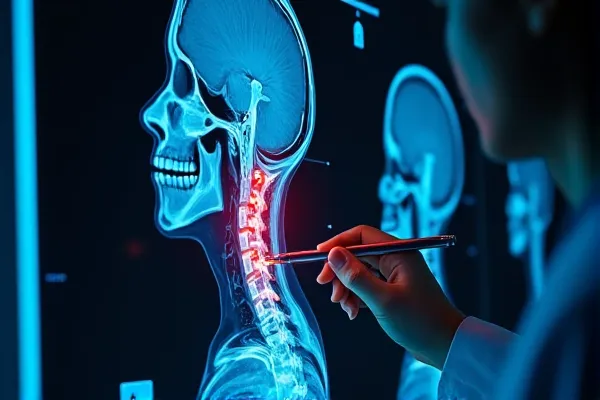
Spinal cord injury cases are evidence cases. The defense does not need to “beat” your medicine; they just need the record to look inconsistent, late, or poorly documented. My job is to remove ambiguity early: mechanism of injury, onset of symptoms, imaging timeline, specialist recommendations, and functional limitations.
- Liability clarity: who created the hazard, and how we prove it under California Law.
- Medical chronology: symptoms, imaging, consults, and restrictions documented in sequence.
- Future needs: a credible plan for care, equipment, and loss of earning capacity.
Why California Law and San Diego Superior Court venue matter in spinal cord injury claims
California Law controls the filing deadline, comparative fault arguments, and how damages get allocated among multiple defendants. Venue matters because San Diego Superior Court procedures create predictable pressure points: formal discovery, sworn testimony, expert work, and trial settings that insurers must budget for.
Practically, a severe injury claim changes once it is framed for litigation. Adjusters stop asking “what will they take today?” and start asking “what will a jury do with this record?” That shift is leverage, and it comes from disciplined evidence and credible damages, not from loud demands.
The “Immediate 5” questions San Diego families ask after a spinal cord injury
How long do I have to file a spinal cord injury lawsuit in San Diego?
The baseline deadline for many personal injury cases in California is two years from the date of injury, and missing it can end the case regardless of how severe the harm is. There are exceptions that can shorten or alter timelines, but you do not plan a spinal cord injury claim around exceptions. In San Diego, I treat the statute as a hard wall and build the case backward from it (see CCP § 335.1).
What has to be proven in a spinal cord injury negligence case under California Law?
Negligence is about duty, breach, causation, and damages, and California’s general duty principle is broad. In spinal cord injury litigation, causation is where insurers fight: they attack mechanism, symptom timing, imaging interpretation, and preexisting conditions. You win causation with records and experts, not with opinions (see Civ. Code § 1714).
How do insurers try to reduce spinal cord injury value using comparative fault?
California uses pure comparative fault, meaning the defense argues you share some percentage of blame and then discounts the value accordingly. In San Diego claims, this often shows up as seatbelt arguments, “sudden lane change” stories, or “you should have avoided it” narratives that do not match traffic reality. The practical response is evidence: scene documentation, vehicle damage, and consistent medical onset that makes their story hard to sell (see Liab. Code § 1714 and Civ. Code § 1714).
In a multi-defendant spinal cord injury case, who pays for pain and suffering?
In California, economic damages and noneconomic damages can be treated differently when multiple defendants are involved. Noneconomic damages, like pain and suffering, are allocated based on each defendant’s percentage of fault rather than being jointly collectible from any one defendant. That is why identifying every responsible party early matters in San Diego spinal cord injury cases (see Civ. Code § 1431.2).
What changes once a spinal cord injury case is filed in San Diego Superior Court?
Filing converts a claim file into a lawsuit with enforceable deadlines, discovery obligations, and sworn testimony. That means the defense has to answer with evidence, not just adjuster opinions, and they have to spend real money to defend the case. For spinal cord injuries, that litigation structure is often what finally forces serious evaluation of future care and lifetime impact (see CCP § 2030.010).
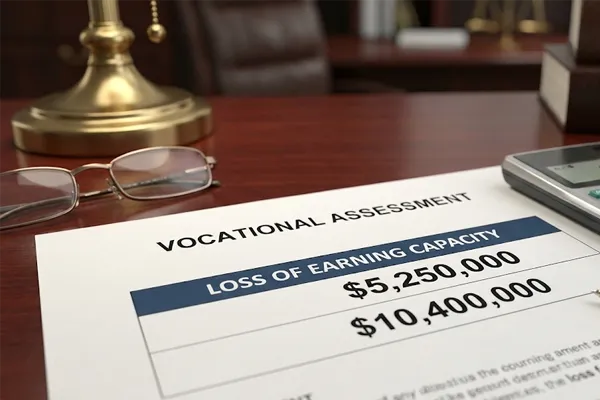
A spinal cord injury case is not “bigger because it sounds bigger.” It is bigger because the defense knows future care, home modifications, and lifetime earnings are where the numbers live. That means you either document the future credibly, or the insurer discounts it as speculation.
- Future medical: credible planning beats vague predictions.
- Function: daily limitations must be documented consistently over time.
- Defense posture: they pay more when the case is trial-ready, not hopeful.
Magnitude Expansion: what actually moves the needle in San Diego spinal cord injury cases
Evidence Evaluation in San Diego Cases
In spinal cord injury claims, the defense will compare every document for inconsistencies: the traffic collision report, EMS notes, ER triage, imaging reports, and specialist consults. If the file is messy, the insurer treats it as negotiable; if it is clean, they treat it as dangerous.
- Police reports vs medical records: the collision mechanism should match the onset described in the chart.
- Scene photos vs repair documentation: physical evidence supports force and direction, not just narratives.
- Treatment timeline consistency: gaps get spun as “not serious” unless you explain them with facts.
Settlement vs Litigation Reality
Before suit, adjusters control pacing. After filing in San Diego Superior Court, the calendar controls pacing, and discovery forces information to the surface. In catastrophic injury cases, that shift often changes valuation more than any demand letter ever will.
- Discovery obligations: the defense must respond, produce, and appear under rules.
- Leverage and risk: sworn testimony and experts make “deny and delay” expensive.
- Procedural reality: the case becomes a trial exposure problem, not a desk negotiation.
San Diego-Specific Claim Wrinkles
San Diego traffic patterns create predictable defense arguments: “low impact” rear-ends on congested corridors, chain reactions, and multi-vehicle pileups with disputed fault. Spinal cord injuries get attacked as “preexisting” or “degenerative” unless imaging timing and symptom onset are pinned down early.
- Traffic density and rear-end patterns: insurers try to minimize force in stop-and-go freeway impacts.
- Multi-vehicle freeway collisions: defendants point fingers; your proof has to be organized.
- Common insurer resistance patterns: causation attacks and future-care discounting are routine in SoCal.
Lived Experiences
Jacob
“We kept hearing different things from different people, and it felt like nobody was tracking the full story. Once Richard organized the records and the timeline, the insurance company stopped treating us like we were exaggerating and started negotiating like the case could actually go to trial.”
Emily
“I was terrified of the court process, but the preparation made it manageable. The defense team changed their tone after depositions and expert work, and the resolution finally accounted for the care I will need going forward.”
California Statutory Framework & Legal Authority
Every statute cited on this page is linked below to the official California Legislature site. These are the practical anchors that control deadlines, liability arguments, and how insurers value a spinal cord injury claim in San Diego.
|
Attorney Advertising, Legal Disclosure & Authorship
ATTORNEY ADVERTISING.
This content is provided for general informational and educational purposes only and does not constitute legal advice.
Under the California Rules of Professional Conduct and applicable State Bar of California advertising regulations,
this material may be considered attorney advertising.
Viewing or reading this content does not create an attorney-client relationship.
Laws and procedures governing personal injury claims vary by jurisdiction and may change over time.
You should consult a qualified California personal injury attorney regarding your specific situation before taking any legal action.
Responsible Attorney:
Richard Morse, California Attorney (Bar No. 289241).
Morse Injury Law is a practice name and location used by Richard Peter Morse III, a California-licensed attorney.
About the Author & Legal Review Process
This article was prepared by the legal editorial team supporting Richard Peter Morse III,
with the goal of explaining California personal injury law and claims procedures in clear, accurate, and practical terms for injured individuals in San Diego and surrounding communities.
Legal Review:
This content was reviewed and approved by Richard Morse, a California-licensed attorney (Bar No. 289241),
who concentrates his practice on personal injury litigation and insurance claim disputes.
With more than 13 years of experience representing injury victims throughout California,
Mr. Morse focuses on serious personal injury matters including motor vehicle collisions, uninsured and underinsured motorist claims,
premises liability, catastrophic injury, and wrongful death.
His practice emphasizes claims evaluation, insurance carrier accountability, and litigation in California courts when fair resolution cannot be achieved.
|