
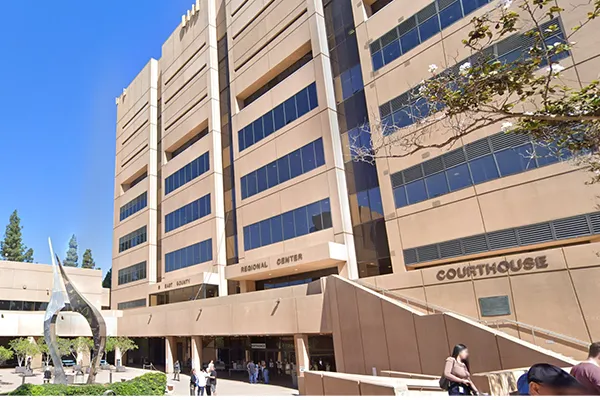
Geography determines justice in San Diego. Pursuant to San Diego Superior Court Local Rule 2.1.3, civil cases arising from accidents in zip codes like 92019 (El Cajon), 92071 (Santee), or 91941 (La Mesa) must be filed at the East County Regional Center on Main Street. East County juries are known for being pragmatic and no-nonsense. They do not respond well to theatrical “downtown” lawyering. We tailor our arguments to fit this specific venue, presenting clear, hard facts that resonate with the values of the East County community.

Courts & Venues: East County Regional Center – El Cajon — what to do when your case gets routed East
If your crash happened around El Cajon, La Mesa, Santee, Lakeside, Spring Valley, or the I-8/SR-67 corridors, venue and court assignment can pull your litigation into the East County calendar. Under California Law, the single most important rule is simple: file and serve correctly and on time, because insurers punish procedural uncertainty.
What I see when a case is managed through El Cajon
Once your case is filed in San Diego Superior Court, the defense stops playing “maybe” and starts tracking rules, calendars, and leverage. El Cajon matters because the East County venue changes the practical rhythm: different hearing schedules, different department logistics, and a very real “show up prepared” reality for working people balancing treatment and jobs.
A realistic scenario: an I-8 rear-end near Fletcher Parkway, soft tissue injuries that become chronic, and a carrier that calls it “minor” because the photos don’t look dramatic. The injured person treats, tries to work, and delays escalation until the file is older. We stabilize the case by locking down the timeline, filing before the limitations clock, serving cleanly, and forcing the defense into a managed litigation track where delay has consequences.
El Cajon is still San Diego County, but venue is not a vibe — it’s procedure. If you file in the wrong place or you let service get sloppy, the defense gets time. And time is how they reduce case value without ever addressing your pain.
Start with the filing clock: CCP § 335.1 controls the statute of limitations for many personal injury cases. In East County practice, waiting “one more month” is how cases quietly die.
Why California Law and venue decisions affect leverage in East County cases
Venue shapes how quickly the case moves, how fast hearings get set, and how the defense evaluates cost. A properly filed and properly served case forces real defense spend and real risk analysis. A confused venue posture lets the insurer posture longer and offer less.
East County cases also carry practical friction: longer drives, different traffic windows, and higher risk of missed dates. In litigation, missed dates don’t just “annoy the court” — they hand the defense a story that you’re not serious.
The “Immediate 5” questions I hear from injured people facing El Cajon court logistics
1) How do I know whether El Cajon is the right venue for my San Diego injury case?
Venue depends on where the incident occurred and how the defendants connect to the county, not just where it feels convenient. The baseline venue framework is governed by statutes like CCP § 395. Practically, we choose a path that minimizes procedural fights and prevents the defense from buying time through venue confusion.
2) If my crash happened in El Cajon or Santee, does that mean everything happens at the East County Regional Center?
Not automatically, but it is a common outcome depending on assignment and how the matter is handled within the county. The controlling question is proper venue and how the case is tried under CCP § 395. The defense knows people confuse “where the crash happened” with “how the case is procedurally managed,” and they exploit the gap.
3) What are the first deadlines that matter once we file in San Diego Superior Court?
First: file within the limitations period set by CCP § 335.1. Second: serve within the time requirements of CCP § 583.210. If either step is mishandled, the insurer gains leverage without disputing liability or damages.
4) What does “proper service” actually mean, and why does the defense care so much?
Service means delivering the summons and complaint in the legally required manner, so the case is officially in play. The summons framework is tied to statutes like CCP § 412.20, which addresses what a summons must contain. The defense cares because improper service creates delay, motion opportunities, and negotiation leverage for the insurer.
5) What should I expect if I have to appear in El Cajon for a hearing?
Expect real-world logistics and real-time pressure. Defense counsel will try to turn scheduling friction into strategic friction by pushing you into rushed concessions or missed dates. My rule is we walk in knowing exactly what the court can decide that day, what must be preserved, and what we will not give away under stress.

East County crashes often involve I-8 compression, SR-67 speed differentials, and chain-reaction rear-ends where insurers try to spread blame. The venue doesn’t change the facts, but it changes the pace: how quickly the defense has to commit to a position and how much procedural breathing room they have.
That’s why I treat El Cajon cases like a timing problem first: tighten the procedure, and the merits get evaluated honestly.
Magnitude expansion: what actually moves value in an East County case
A) Evidence Evaluation in San Diego Cases
Insurers evaluate East County cases like any other: chronology, consistency, and whether the file survives cross-examination themes. The fastest way to lose value is to leave gaps the defense can narrate.
- Police reports vs medical records: consistency blocks “new injury” arguments.
- Scene photos vs repair documentation: counters “no damage, no injury” tactics.
- Treatment timeline consistency: gaps become defense themes if not addressed.
- East County claims handling: carriers delay early until a clean filing forces risk.
B) Settlement vs Litigation Reality
Once the case is filed in San Diego Superior Court, the negotiation posture changes because deadlines, appearances, and exposure become real. The defense can still fight, but fighting costs money, and money changes valuation.
That is why venue discipline matters: a procedurally clean case forces substance; a procedurally messy case invites delay.
C) San Diego-Specific Claim Wrinkles
East County has predictable insurer narratives: “low impact,” “preexisting,” “treated too long,” “gaps mean recovered.” Add multi-vehicle patterns on I-8 and SR-67, and the defense will try to spread fault to reduce payout pressure.
- Traffic density and rear-end patterns: insurers normalize offers by normalizing crashes.
- Multi-vehicle freeway collisions: blame gets diluted to shrink exposure.
- Common Southern California resistance patterns: delay early, pressure late, push inconvenience.
Lived Experiences
Seth
“I didn’t realize El Cajon venue issues could slow everything down. Richard tightened up the filing and service so the defense couldn’t hide behind procedure. The tone of the case changed fast.”
Monica
“The insurer kept acting like my injuries were ‘minor’ because of the pictures. Richard built the timeline and evidence so the defense couldn’t cherry-pick gaps. I felt protected walking into every court date.”
California Statutory Framework & Legal Authority
|
Attorney Advertising, Legal Disclosure & Authorship
ATTORNEY ADVERTISING.
This content is provided for general informational and educational purposes only and does not constitute legal advice.
Under the California Rules of Professional Conduct and applicable State Bar of California advertising regulations,
this material may be considered attorney advertising.
Viewing or reading this content does not create an attorney-client relationship.
Laws and procedures governing personal injury claims vary by jurisdiction and may change over time.
You should consult a qualified California personal injury attorney regarding your specific situation before taking any legal action.
Responsible Attorney:
Richard Morse, California Attorney (Bar No. 289241).
Morse Injury Law is a practice name and location used by Richard Peter Morse III, a California-licensed attorney.
About the Author & Legal Review Process
This article was prepared by the legal editorial team supporting Richard Peter Morse III,
with the goal of explaining California personal injury law and claims procedures in clear, accurate, and practical terms for injured individuals in San Diego and surrounding communities.
Legal Review:
This content was reviewed and approved by Richard Morse, a California-licensed attorney (Bar No. 289241),
who concentrates his practice on personal injury litigation and insurance claim disputes.
With more than 13 years of experience representing injury victims throughout California,
Mr. Morse focuses on serious personal injury matters including motor vehicle collisions, uninsured and underinsured motorist claims,
premises liability, catastrophic injury, and wrongful death.
His practice emphasizes claims evaluation, insurance carrier accountability, and litigation in California courts when fair resolution cannot be achieved.
|