
San Diego is too large for one courthouse. Under San Diego Superior Court Local Rule 2.1.3, if an accident occurs in a North County zip code (like Oceanside, Vista, Carlsbad, or Escondido), the lawsuit generally must be filed at the North County Regional Center (NCRC) in Vista. Filing in the wrong venue can lead to delays or case transfers. Furthermore, North County juries often differ from downtown juries—influenced by the presence of Camp Pendleton and suburban communities. We tailor our litigation strategy to resonate specifically with the values of the North County jury pool, focusing on “Safety Rules” and “Accountability.”

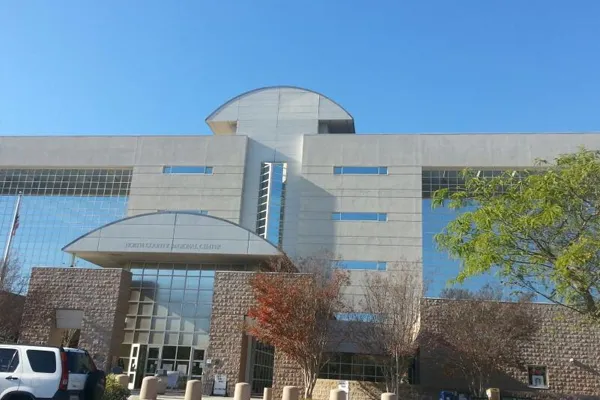
Courts & Venues: North County Regional Center – Vista — what to do when your case pulls north
If your San Diego injury case involves Vista, Oceanside, Carlsbad, San Marcos, or the I-5/I-15 corridors, venue decisions can land you at the North County Regional Center in Vista. Under California Law, you don’t get to “wing it” on where things are filed and heard. The most important rule: treat venue, filing, and service like hard deadlines — because insurers do.
What I see when a case runs through Vista
When a case is actually filed in San Diego Superior Court, it stops being a negotiation and starts being a managed process. Vista matters because it changes the rhythm: different courtroom calendars, different department logistics, and a different “show up ready” reality than Downtown. Under California Law, the defense can’t ignore a properly filed case — but they can exploit confusion about venue, service, and scheduling.
A realistic North County scenario: a crash on SR-78 triggers neck and back injuries, the carrier offers a quick low number, and the injured person keeps treating while trying to “work it out.” Near the end of the two-year window, the defense posture hardens, and suddenly you’re racing to file and serve. We stabilize it by filing before the clock, serving cleanly, and forcing the defense into a calendar they can’t stall without consequence.

Vista is still San Diego County, but venue and department assignment are not trivia. The North County Regional Center is where many North County matters are handled, and that impacts how quickly hearings get set, how motions get managed, and how seriously the defense treats the litigation timeline.
If you remember only one statute, remember the filing clock: CCP § 335.1 is the two-year limitations period for many personal injury cases. In real practice, insurers act like the deadline doesn’t exist — right up until it does.
Why California Law and San Diego Superior Court venue matter in Vista cases
Venue is a leverage tool. When you file in the correct place, you reduce procedural noise and you cut off the defense’s easiest delay tactics. When you file in the wrong place or serve incorrectly, you hand them free time — and time is how they grind down injured people.
North County cases also tend to involve longer drives, different scheduling constraints, and a practical pressure point: people miss hearings because they underestimate the logistics. That’s not a “small mistake” in litigation; it’s how you lose momentum.
The “Immediate 5” questions I hear from injured people dealing with Vista venue issues
1) How do I know whether my case should be handled at the North County Regional Center in Vista?
It depends on venue rules, where the incident occurred, and how the defendants connect to San Diego County. The basic venue framework is governed by statutes like CCP § 395. Practically, we evaluate what venue choice does to litigation speed, motion practice, and defense pressure points for a North County case.
2) If I live in North County, does that automatically mean Vista is the courthouse?
No. Where you live can matter, but it’s not the only factor, and it’s not always the controlling factor. Venue can turn on where the injury happened, where defendants can be sued, and how the action is properly tried under CCP § 395. The defense knows people confuse “closest courthouse” with “proper venue,” and they will use that confusion if it creates delay.
3) What are the first deadlines that matter once we file in San Diego Superior Court for a Vista-handled case?
Filing on time and serving correctly are the first two gates. The filing deadline in many injury cases is set by CCP § 335.1, and service timing is controlled by CCP § 583.210. If service is late or defective, the defense gains leverage without ever debating your injuries.
4) What does “proper service” look like, and what paperwork actually triggers the defense response?
Service means delivering the summons and complaint in the legally required manner, not simply “letting them know.” The summons framework is tied to statutes like CCP § 412.20, which addresses what a summons must contain. Proper service is what forces the insurer to assign counsel and respond on a schedule — and that’s why they watch for mistakes.
5) What should I expect if I have to appear in Vista for a hearing or court date?
Expect real logistics: travel time, security, check-in, and calendars that can move quickly. The defense often uses the setting to push “on the record” concessions, especially if you’re unprepared. My rule is simple: we walk into Vista knowing the procedural posture, what the court can decide that day, and what we will not give away under pressure.
Vista cases often overlap with North County crash patterns: SR-78 merges, I-5 traffic compression, and stop-and-go rear-end chains. The defense will try to treat your crash like a “routine” file unless the venue posture and evidence chronology force them to treat it like risk.
That’s the litigation reality: the courthouse doesn’t create value, but it exposes whether your case is built to withstand pressure.
Magnitude expansion: what changes when a case is run through Vista
A) Evidence Evaluation in San Diego Cases
In Vista-handled cases, the file still lives or dies on chronology. You need a clean timeline that makes sense without speeches, because the defense will test it in depositions and motions.
- Police reports vs medical records: consistency reduces “unrelated” arguments.
- Scene photos vs repair documentation: helps counter “low impact” minimization tactics.
- Treatment timeline consistency: gaps become defense themes if not managed carefully.
- North County claims handling: insurers stall until filing forces spend and scheduling risk.
B) Settlement vs Litigation Reality
Once filed in San Diego Superior Court, the negotiation environment shifts. Defense counsel must answer, appear, and comply with the court’s managed process — and delays start costing real money.
That is why venue discipline matters: if the file is clean, the defense evaluates risk sooner; if it’s messy, they delay longer and offer less.
C) San Diego-Specific Claim Wrinkles
North County cases carry specific dynamics the defense uses: multi-car chain reactions on SR-78, freeway merge collisions, and “everyone stopped suddenly” narratives. The insurer will also try to exploit travel inconvenience, betting you’ll miss dates or lose patience.
- Traffic density and rear-end patterns: carriers normalize offers by normalizing crashes.
- Multi-vehicle freeway collisions: blame gets spread to reduce payout pressure.
- Common Southern California resistance patterns: delay early, pressure late when court feels burdensome.
Lived Experiences
Peter
“I assumed Vista meant my case was ‘smaller’ or less serious. Richard explained how venue and deadlines actually change leverage. Once the filing and service were tight, the insurer stopped dragging its feet.”
Grace
“The defense tried to wear me down with scheduling and last-minute pressure. Richard made sure I understood what the court could decide and what I should not concede. That preparation kept the case moving and kept the value intact.”
California Statutory Framework & Legal Authority
|
Attorney Advertising, Legal Disclosure & Authorship
ATTORNEY ADVERTISING.
This content is provided for general informational and educational purposes only and does not constitute legal advice.
Under the California Rules of Professional Conduct and applicable State Bar of California advertising regulations,
this material may be considered attorney advertising.
Viewing or reading this content does not create an attorney-client relationship.
Laws and procedures governing personal injury claims vary by jurisdiction and may change over time.
You should consult a qualified California personal injury attorney regarding your specific situation before taking any legal action.
Responsible Attorney:
Richard Morse, California Attorney (Bar No. 289241).
Morse Injury Law is a practice name and location used by Richard Peter Morse III, a California-licensed attorney.
About the Author & Legal Review Process
This article was prepared by the legal editorial team supporting Richard Peter Morse III,
with the goal of explaining California personal injury law and claims procedures in clear, accurate, and practical terms for injured individuals in San Diego and surrounding communities.
Legal Review:
This content was reviewed and approved by Richard Morse, a California-licensed attorney (Bar No. 289241),
who concentrates his practice on personal injury litigation and insurance claim disputes.
With more than 13 years of experience representing injury victims throughout California,
Mr. Morse focuses on serious personal injury matters including motor vehicle collisions, uninsured and underinsured motorist claims,
premises liability, catastrophic injury, and wrongful death.
His practice emphasizes claims evaluation, insurance carrier accountability, and litigation in California courts when fair resolution cannot be achieved.
|