What Photos Should I Take At An Accident Scene

As a San Diego personal injury attorney with over 13 years of experience, I’ve seen firsthand how critical thorough documentation is after a car accident. Too often, clients underestimate the importance of preserving evidence at the scene, relying on the police report alone, which often isn’t enough. I’ve been trained by former insurance defense attorneys, giving me intimate knowledge of how insurance companies evaluate, devalue, and deny claims. They’re experts at finding holes in a claimant’s case, and a lack of photographic evidence is a major vulnerability.
What are the most important photos to capture at an accident scene?
Immediately after ensuring everyone is safe and exchanging information, your priority should be documenting the scene. This isn’t about being a photographer; it’s about creating a visual record that supports your claim. Start with the big picture, then zoom in on the details. Photos should be taken with your smartphone camera – quality is less important than the timestamp and location data embedded in the image. Focus on capturing as much information as possible while it’s fresh.
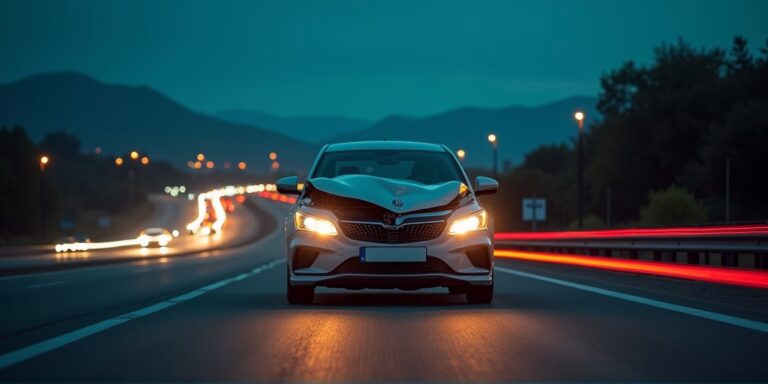
Begin with wide-angle shots of the entire intersection or stretch of roadway. These establish the context of the accident. Next, photograph the damage to all vehicles involved – yours, the other driver’s, and any property damage. Don’t just get a single picture; take multiple shots from different angles, showing the extent of the damage in detail. Make sure to include close-ups of any visible injuries you sustained, even seemingly minor ones.
Finally, document the environment. Take pictures of traffic signals, stop signs, lane markings, and any obstructions that may have contributed to the accident. If the weather conditions were a factor (rain, fog, etc.), be sure to capture that as well. It’s also important to photograph the other driver’s license plate and insurance card, if possible. These details can be invaluable when dealing with uninsured drivers or disputes over coverage.
How can I protect my photos as evidence?
Once you’ve taken the photos, it’s essential to preserve them as evidence. Immediately back them up to multiple locations – your computer, a cloud storage service, and even email them to yourself. Do not edit or alter the photos in any way, as this could damage your credibility. Keep a detailed log of when and where each photo was taken, and any relevant observations you made at the scene.
I always advise my clients to share the photos with me as soon as possible. We can then analyze them for potential evidence and ensure they’re properly preserved for trial. A skilled attorney can also guide you on gathering additional evidence, such as witness statements and police reports, to strengthen your case.
What if I was injured and unable to take photos myself?
If you’re seriously injured and unable to take photos yourself, ask a passenger or a bystander to do so. If neither is available, you can return to the scene later (if safe to do so) with a friend or family member. However, it’s crucial to document the date and time of your return, as conditions may have changed since the accident. Police reports will also contain photos. Although not as thorough as taking pictures yourself, police reports can be helpful.
Even if you didn’t capture photos immediately, don’t despair. An attorney can often obtain photos from other sources, such as traffic camera footage or surveillance videos. The key is to act quickly and seek legal counsel as soon as possible. Remember, time is of the essence when it comes to preserving evidence and protecting your rights.
What should I do if the other driver refuses to let me take photos?
While it’s generally polite to ask the other driver’s permission before taking photos of their vehicle, you are not legally required to do so. If they refuse, simply document the refusal and any other relevant details. Do not engage in a confrontation or escalate the situation. Focus on documenting your own vehicle and the surrounding environment.
You should never put yourself at risk to obtain photos. If you feel threatened or unsafe, leave the scene and contact the police. An attorney can then advise you on the best course of action, including potentially obtaining a court order to compel the other driver to provide photos.
Can dashcam footage be used as evidence in my accident claim?
Absolutely. Dashcam footage is incredibly valuable evidence in car accident claims. It provides a neutral, objective record of the events leading up to the crash, which can be crucial in establishing fault. In San Diego, more and more drivers are using dashcams, which increases the likelihood of obtaining this type of evidence.
If you have dashcam footage, preserve it immediately and share it with your attorney. We can then review it for potential evidence and ensure it’s properly preserved for trial. Even if you don’t have dashcam footage yourself, ask the other driver if they do. If they refuse, an attorney can potentially subpoena the footage as part of the discovery process.
|
Attorney Advertising, Legal Disclosure & Authorship
ATTORNEY ADVERTISING.
This content is provided for general informational and educational purposes only and does not constitute legal advice.
Under the California Rules of Professional Conduct and applicable State Bar of California advertising regulations,
this material may be considered attorney advertising.
Viewing or reading this content does not create an attorney-client relationship.
Laws and procedures governing personal injury claims vary by jurisdiction and may change over time.
You should consult a qualified California personal injury attorney regarding your specific situation before taking any legal action.
Local Office:
Morse Injury Law2831 Camino del Rio S #109 San Diego, CA 92108 (619) 684-3092
Responsible Attorney:
Richard Morse, California Attorney (Bar No. 289241).
Morse Injury Law is a practice name and location used by Richard Peter Morse III, a California-licensed attorney.
About the Author & Legal Review Process
This article was prepared by the legal editorial team supporting Richard Peter Morse III,
with the goal of explaining California personal injury law and claims procedures in clear, accurate, and practical terms for injured individuals in San Diego and surrounding communities.
Legal Review:
This content was reviewed and approved by Richard Morse, a California-licensed attorney (Bar No. 289241),
who concentrates his practice on personal injury litigation and insurance claim disputes.
With more than 13 years of experience representing injury victims throughout California,
Mr. Morse focuses on serious personal injury matters including motor vehicle collisions, uninsured and underinsured motorist claims,
premises liability, catastrophic injury, and wrongful death.
His practice emphasizes claims evaluation, insurance carrier accountability, and litigation in California courts when fair resolution cannot be achieved.
|