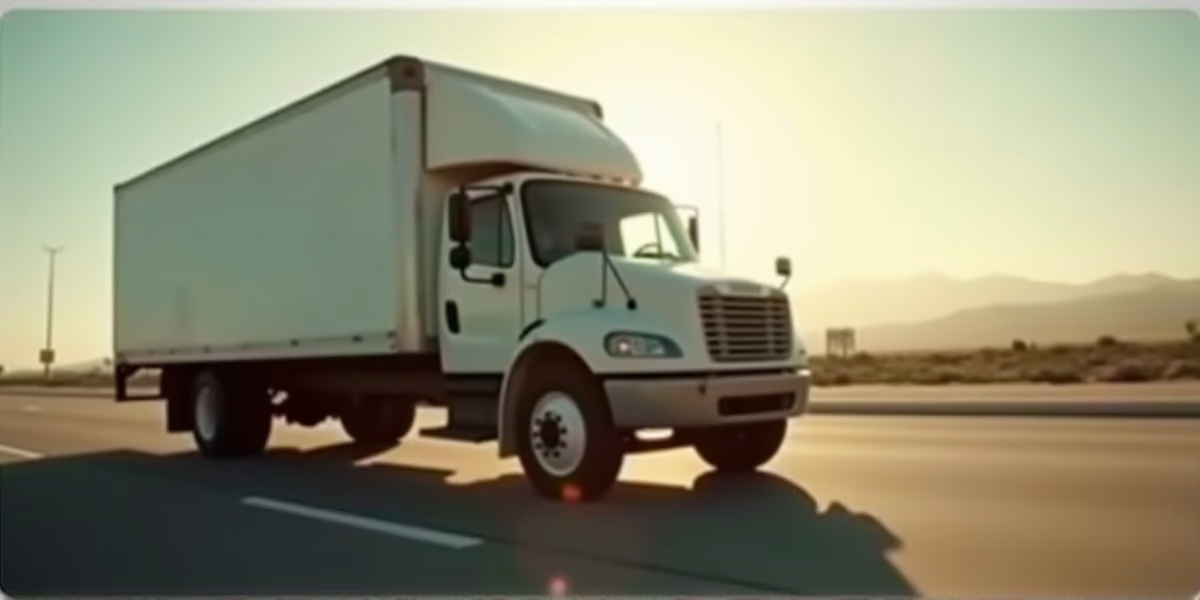
Are Delivery Trucks Involved In Many San Diego Crashes?

Delivery trucks – think Amazon, UPS, FedEx, and a growing number of independent contractors – are increasingly prevalent on San Diego roadways, and unfortunately, this translates to a rising number of accidents. Several factors contribute to this trend. Many of these drivers are under immense pressure to meet aggressive delivery schedules, leading to speeding, distracted driving, and fatigue. The sheer volume of deliveries, particularly during peak seasons like the holidays, further exacerbates the risk. Because these companies often prioritize speed over safety, serious collisions are often the result.
Unlike a typical passenger vehicle accident, delivery truck crashes often involve complex liability issues. Determining who is at fault can be challenging, encompassing not only the driver’s actions but also the responsibility of the delivery company, the truck’s maintenance provider, and potentially even the manufacturer if a defect played a role. Navigating these intricacies requires a thorough investigation and a deep understanding of both state and federal regulations.
I’ve been practicing personal injury law in San Diego for over 13 years, and I’ve seen firsthand how insurance companies attempt to devalue or deny claims involving delivery trucks. I was trained by a former insurance defense attorney, giving me intimate knowledge of how they evaluate, devalue, and fight legitimate claims. They exploit loopholes and often shift blame onto the victim. That’s why it’s crucial to have an attorney who understands their tactics and can aggressively advocate for your rights.
What Types of Accidents Involve Delivery Trucks?
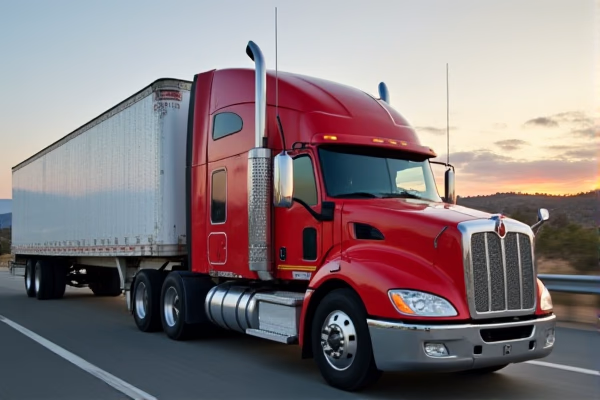
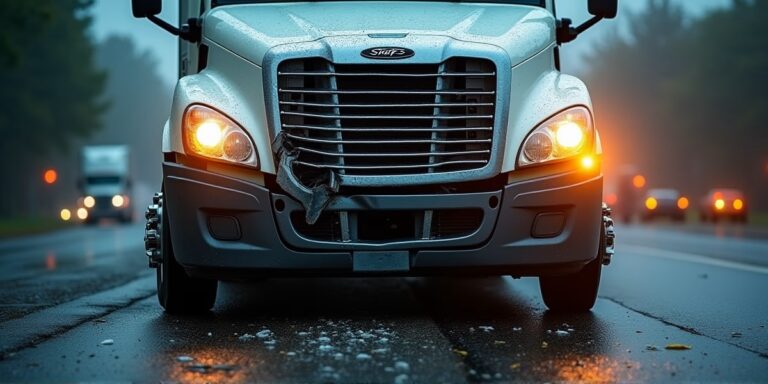
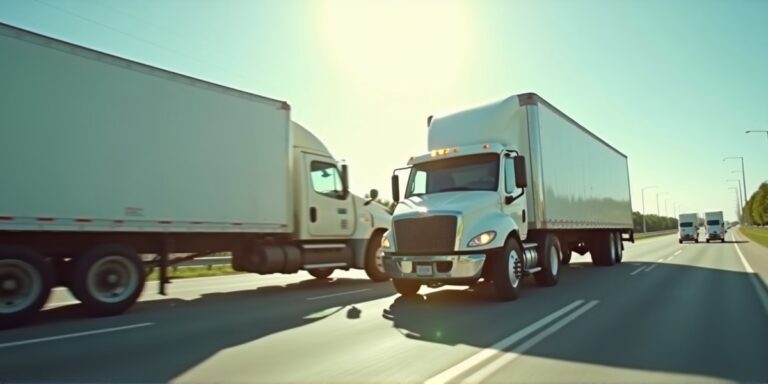
Delivery truck accidents can take many forms. Rear-end collisions are common, often caused by drivers following too closely or being distracted. Side-impact collisions occur when trucks make unsafe lane changes or run red lights. Head-on collisions, though less frequent, are typically the most devastating, often resulting in catastrophic injuries. Jackknife accidents, where the truck’s trailer swings out of control, are particularly dangerous due to the size and weight of the vehicle. Regardless of the specific type of accident, the resulting injuries can be severe and life-altering.
What Injuries are Common in Delivery Truck Crashes?
The substantial size and weight difference between delivery trucks and passenger vehicles often lead to severe injuries for those in the smaller vehicles. Common injuries include traumatic brain injuries (TBIs), spinal cord injuries, broken bones, internal organ damage, and whiplash. These injuries often require extensive medical treatment, including surgery, rehabilitation, and ongoing care. The financial burden can be immense, encompassing medical bills, lost wages, and long-term care expenses. Furthermore, the emotional toll of a severe injury can be significant, leading to anxiety, depression, and post-traumatic stress disorder (PTSD).
Can I Sue a Delivery Company After an Accident?
Yes, in many cases, you can sue the delivery company in addition to the driver. Delivery companies have a legal responsibility to ensure their drivers are properly trained, qualified, and adhering to all safety regulations. They are also responsible for maintaining their vehicles and ensuring they are safe for operation. If the company’s negligence contributed to the accident – for example, by failing to properly vet a driver or neglecting vehicle maintenance – they can be held liable for your damages. This often involves proving the company’s negligence through evidence such as driver logs, maintenance records, and training manuals.
What Kind of Evidence Should I Gather After a Delivery Truck Accident?
Gathering evidence is crucial to building a strong case. This includes obtaining a copy of the police report, taking photos and videos of the accident scene and vehicle damage, collecting contact information from witnesses, and documenting your medical expenses and lost wages. It’s also important to preserve any evidence related to the truck driver’s behavior, such as dashcam footage or delivery logs. However, it’s often best to let an attorney handle the evidence gathering process, as they have the expertise to identify and collect the most relevant information.
What Damages Can I Recover in a Delivery Truck Accident Claim?
You may be entitled to recover a variety of damages in a delivery truck accident claim. This includes compensation for medical expenses, lost wages, property damage, and pain and suffering. In some cases, you may also be able to recover punitive damages if the delivery company’s conduct was particularly egregious. The amount of compensation you can recover will depend on the specific circumstances of your case, including the severity of your injuries and the extent of your losses. It’s important to consult with an attorney to determine the full value of your claim.
What if the Truck Driver Was an Independent Contractor?
Determining liability can be more complex when the truck driver is an independent contractor. While the driver is technically not an employee of the delivery company, the company may still be liable if they exercised a degree of control over the driver’s operations or failed to properly vet their qualifications. This often requires a thorough investigation to determine the nature of the driver’s relationship with the company and whether the company was negligent in any way. An experienced attorney can help you navigate these complexities and determine the best course of action.