Are Commercial Trucks Common Near Warehouses?

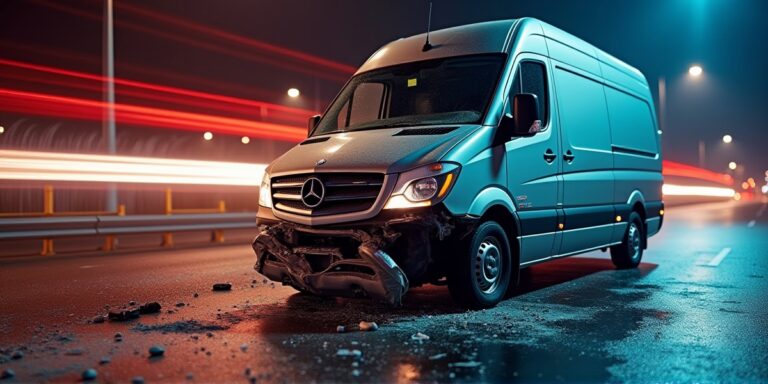
The proliferation of warehouses, fueled by the e-commerce boom, has undeniably led to a surge in commercial truck activity. These large facilities rely heavily on a constant stream of deliveries and shipments, meaning more big rigs on our roads, particularly in areas surrounding industrial parks and logistics hubs. This concentration of truck traffic significantly elevates the risk of accidents, and unfortunately, these accidents often result in severe injuries for passenger vehicle occupants.
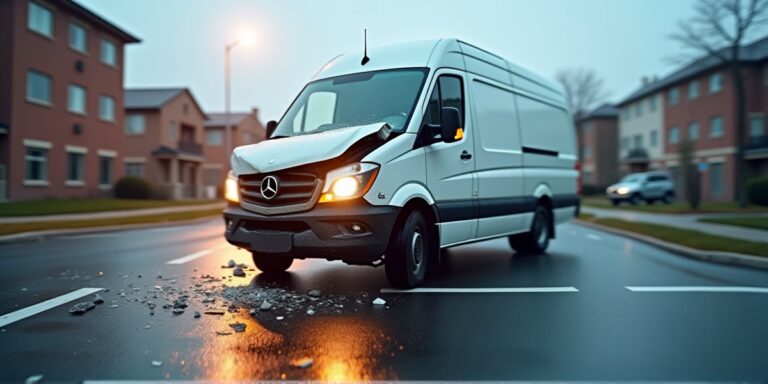
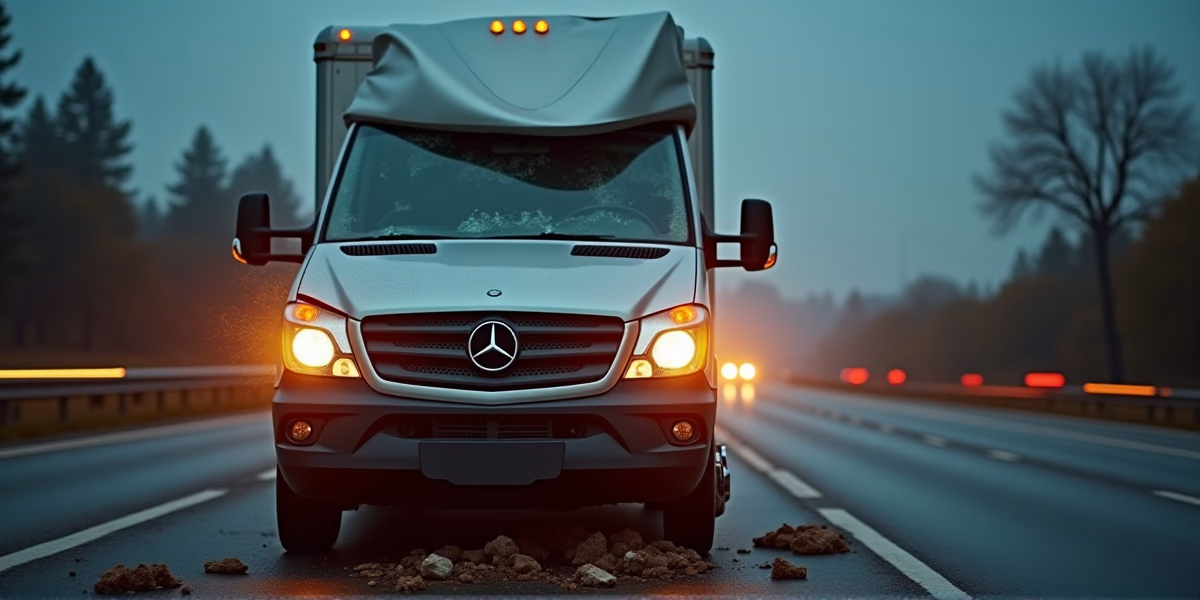
The sheer size and weight of commercial trucks contribute to the devastating nature of these collisions. Unlike accidents involving two passenger cars, a collision with an 18-wheeler often results in catastrophic damage and life-altering injuries. It’s crucial to understand your rights if you’ve been injured in an accident with a commercial truck, as the legal process can be far more complex than a typical car crash claim.
I’ve been practicing personal injury law in San Diego for over 13 years, and I’ve seen firsthand the challenges victims face when dealing with trucking companies and their insurance providers. Trained by a former insurance defense attorney, I have intimate knowledge of how these companies evaluate, devalue, and deny claims. They have teams of lawyers and investigators dedicated to minimizing their payouts, and it’s essential to have an experienced advocate on your side to level the playing field.
What factors contribute to truck accidents near warehouses?
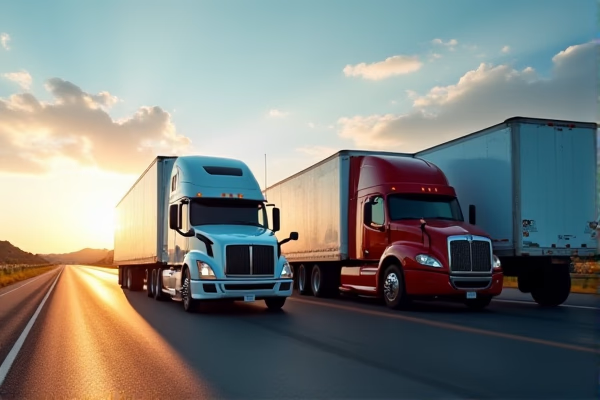
Several factors contribute to the increased risk of truck accidents in and around warehouse districts. One major issue is driver fatigue. The pressure to meet tight delivery schedules often leads to drivers exceeding their hours of service limits, resulting in impaired judgment and slower reaction times. Additionally, the constant loading and unloading of cargo can create stressful work environments, increasing the likelihood of errors and accidents.
Another significant factor is inadequate maintenance. Trucking companies are legally required to regularly inspect and maintain their vehicles, but unfortunately, these regulations are not always followed. Defective brakes, worn tires, and faulty lighting systems can all contribute to accidents. Furthermore, the sheer volume of truck traffic in these areas increases the potential for collisions due to distracted driving, speeding, and aggressive maneuvers.
What should I do immediately after an accident with a commercial truck?
If you’ve been involved in an accident with a commercial truck, it’s crucial to take immediate steps to protect your legal rights. First, ensure your safety and seek medical attention, even if you don’t feel immediately injured. Many injuries, such as whiplash or internal bleeding, may not be apparent right away. Next, if possible, gather information about the truck driver, the trucking company, and any witnesses to the accident.
Document everything you can, including photos of the damage to all vehicles involved, the accident scene, and any visible injuries. Do not attempt to negotiate with the trucking company or their insurance provider without first consulting with an attorney. They will likely try to minimize your claim, and it’s essential to have an experienced advocate on your side to protect your interests.
How does the legal process differ in a truck accident case?
Truck accident cases are often more complex than typical car accident claims due to the involvement of multiple parties and federal regulations. There are often multiple potential defendants, including the truck driver, the trucking company, the cargo loader, and even the manufacturer of the truck or its components. Additionally, federal regulations governing hours of service, vehicle maintenance, and driver qualifications must be considered.
Discovery in truck accident cases can be extensive, involving the review of driver logs, maintenance records, and company policies. It’s crucial to have an attorney who is familiar with these regulations and has the resources to thoroughly investigate the accident. Furthermore, the potential for damages in truck accident cases is often significantly higher due to the severity of the injuries involved.
What types of damages can I recover in a truck accident claim?
If you’ve been injured in an accident with a commercial truck, you may be entitled to recover a variety of damages, including medical expenses, lost wages, and pain and suffering. You may also be able to recover damages for property damage, emotional distress, and loss of enjoyment of life. In some cases, you may even be able to recover punitive damages if the truck driver or trucking company acted with gross negligence.
Calculating the full extent of your damages can be complex, and it’s essential to have an attorney who understands the nuances of truck accident litigation. They can help you gather the necessary evidence to support your claim and negotiate with the insurance provider to ensure you receive the compensation you deserve.
What if the truck driver was an independent contractor?
Determining the employment status of a truck driver – whether they are an employee or an independent contractor – is a critical aspect of many truck accident cases. California’s ‘ABC test’ determines if a delivery driver (Amazon/FedEx) is an employee or contractor. Even if labeled a ‘contractor,’ a company may be liable if they exercise control over the driver’s work, a key factor in San Diego delivery truck litigation. If the driver is deemed an employee, the trucking company is typically liable for their actions under the doctrine of vicarious liability (respondeat superior). Civ. Code § 2338.
However, if the driver is an independent contractor, establishing liability can be more challenging. It’s essential to have an attorney who is familiar with the intricacies of employment law and can thoroughly investigate the driver’s relationship with the trucking company.
How long do I have to file a lawsuit after a truck accident?
In California, the statute of limitations for personal injury claims is generally **two years** from the date of the accident. Because trucking companies often begin evidence destruction (like purging ELD data) as soon as the law allows, immediate filing is critical to preserve the integrity of the claim. CCP § 335.1. This means you have a limited amount of time to file a lawsuit, and it’s crucial to act quickly to protect your rights.
Waiting too long to file a lawsuit can result in the permanent loss of your right to recover damages. It’s essential to consult with an attorney as soon as possible after an accident to ensure you meet all applicable deadlines.
What if the accident involved a government vehicle or roadway defect?
If a truck accident involves a government-owned vehicle or a dangerous road condition maintained by a public entity, a formal administrative claim **MUST** be presented within **6 months** (180 days). Failure to meet this strict deadline under the Government Tort Claims Act can result in the permanent loss of your right to recover. Gov. Code § 911.2. This claim must be properly prepared and submitted to the appropriate government agency.
Navigating the Government Tort Claims Act process can be complex, and it’s essential to have an attorney who is familiar with the specific requirements and deadlines.
What if I have medical liens or other debts related to the accident?
Medical liens and other debts related to the accident can complicate your claim. It’s important to understand your rights and obligations regarding these liens. For example, if you have a medical lien from a hospital or doctor, they may have a legal right to recover their expenses from your settlement or judgment. It’s crucial to negotiate with these lienholders to reduce the amount you owe.
Additionally, if you have other debts related to the accident, such as credit card bills or personal loans, you may be able to discharge them in bankruptcy. It’s essential to consult with an attorney to explore your options and protect your assets.
What if the insurance company asks me to give a recorded statement?
Insurance companies often request recorded statements from accident victims. While you are not legally required to provide a statement, it’s generally not advisable to do so without first consulting with an attorney. Insurance adjusters are trained to ask questions that can be used to minimize your claim or deny coverage altogether.
If you do decide to give a recorded statement, it’s essential to be careful about what you say. Stick to the facts and avoid speculating or offering opinions. It’s also important to have an attorney present during the statement to protect your interests.
What is the role of dashcam footage and other digital evidence in a truck accident case?
Dashcam footage, electronic logging device (ELD) data, and other digital evidence can be crucial in establishing liability in a truck accident case. Dashcam footage can provide valuable evidence of the truck driver’s actions leading up to the accident, while ELD data can reveal whether the driver was in compliance with federal hours of service regulations. It’s essential to preserve this evidence as soon as possible after the accident.
Additionally, telematics data, ECM/EDR (engine control module/event data recorder) information, and GPS data can provide valuable insights into the truck’s speed, braking patterns, and other critical factors. It’s crucial to have an attorney who is familiar with these technologies and can effectively analyze the data.