Are Delivery Drivers Considered Commercial Drivers In California?

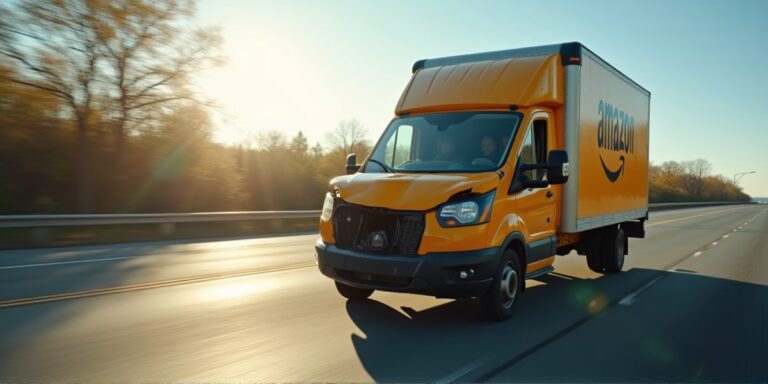
This scenario is becoming increasingly common. The rise of gig economy delivery services—Amazon Flex, Uber Eats, DoorDash—has blurred the lines of who is considered a commercial driver in California. Insurance companies exploit this ambiguity to minimize payouts, arguing that drivers are independent contractors, not employees, and therefore not covered by the same level of protection. However, California law is complex, and the label a company assigns to a driver doesn’t necessarily dictate their legal status.
Determining whether a delivery driver is classified as a commercial driver hinges on several factors, primarily focusing on the level of control the company exerts over the driver’s work. This isn’t simply about whether they receive a W-2 or 1099 form. We look at the totality of the circumstances, including the company’s ability to dictate routes, schedules, training requirements, and the provision of equipment. A driver operating a vehicle for commercial purposes, even if labeled a contractor, may still be legally considered an employee for liability purposes.
I’ve spent over 13 years practicing personal injury law in San Diego, and I’ve seen firsthand how insurance companies attempt to devalue and deny claims involving delivery drivers. Trained by a former insurance defense attorney, I have intimate knowledge of their tactics and evaluation strategies. This experience allows me to anticipate their arguments and build a strong case on behalf of my clients, ensuring they receive the full compensation they are entitled to.
What factors determine if a delivery driver is considered a commercial driver in California?
California’s legal definition of a commercial driver isn’t always straightforward. It’s not solely based on whether the driver is paid hourly or by the delivery. The key is the nature of the work and the degree of control the company exercises. Factors courts consider include: whether the company provides the vehicle, whether the driver is required to follow specific routes or schedules, whether the company provides training, and whether the driver is subject to the company’s policies and procedures. Even if a driver uses their own vehicle, they can still be classified as a commercial driver if the company dictates the terms of their employment.
The “ABC test,” codified in Labor Code § 2775, is often central to these cases. This test presumes a worker is an employee unless the company can prove they meet specific criteria demonstrating independent contractor status. This is a high bar, and companies frequently fail to meet it, especially in the context of gig economy delivery services.
What are the implications of being classified as a commercial driver in an accident claim?
If a delivery driver is deemed a commercial driver, it significantly impacts the potential recovery in an accident claim. Commercial drivers are subject to stricter regulations and higher insurance coverage requirements than private drivers. This means there’s a greater likelihood of recovering substantial damages to cover medical expenses, lost wages, pain and suffering, and future care. Furthermore, the trucking company (or delivery service) is often directly liable for the driver’s negligence under the doctrine of Civ. Code § 2338, known as vicarious liability.
Insurance companies will often attempt to argue that the driver was an independent contractor to avoid this higher level of liability. That’s why it’s crucial to have an attorney experienced in handling these types of claims to thoroughly investigate the circumstances and build a compelling case demonstrating the driver’s employee status.
How does the use of personal vehicles affect commercial driver classification?
The fact that a delivery driver uses their personal vehicle doesn’t automatically disqualify them from being classified as a commercial driver. Courts will look beyond this superficial detail and focus on the level of control the company exerts over the driver’s work. If the company dictates routes, schedules, and performance standards, the driver is likely considered an employee, regardless of whether they use their own vehicle. In San Diego, we often see cases where drivers are required to maintain specific insurance coverage levels and undergo background checks, further indicating an employer-employee relationship.
Furthermore, the company’s insurance policy may still provide coverage even if the driver is using their personal vehicle for commercial purposes. It’s essential to review all relevant insurance policies to determine the extent of coverage available.
What evidence is needed to prove a delivery driver is a commercial driver?
Gathering evidence is critical to establishing a delivery driver’s commercial driver status. This includes employment contracts, company policies, training manuals, and any communications between the driver and the company. Pay stubs, tax forms (W-2 vs. 1099), and records of company-provided equipment can also be helpful. Witness testimony from other drivers or company employees can further support your claim. We also look for evidence of the company’s control over the driver’s work, such as GPS tracking data, performance reviews, and disciplinary actions.
In many cases, obtaining the driver’s logs and Electronic Logging Device (ELD) data is crucial. These records can reveal whether the driver was adhering to federal Hours of Service (HOS) regulations, which are applicable to commercial drivers. Violations of these regulations can be strong evidence of negligence.
What should I do if I’ve been injured in an accident with a delivery driver?
If you’ve been injured in an accident with a delivery driver, it’s crucial to seek legal counsel immediately. Insurance companies will likely attempt to minimize your claim and deny you the full compensation you deserve. An experienced attorney can thoroughly investigate the accident, gather evidence, and build a strong case on your behalf. Don’t speak to the insurance company without first consulting with an attorney, as anything you say can be used against you.
We will handle all communications with the insurance company, negotiate on your behalf, and fight to ensure you receive the maximum compensation possible for your injuries, medical expenses, lost wages, and pain and suffering. Protect your rights and contact an attorney today.
What if the delivery driver was working for a government entity at the time of the accident?
If the delivery driver was employed by a government entity—such as the USPS or a city/county delivery service—the claims process is significantly different. You must file a formal administrative claim within a strict timeframe, typically **6 months** (180 days) of the accident, as outlined in Gov. Code § 911.2. Failure to meet this deadline can result in the permanent loss of your right to recover.
Government claims are often complex and require specific documentation and procedures. An attorney experienced in handling government liability claims can ensure your claim is properly filed and that you receive the full compensation you are entitled to.
How does comparative fault apply in accidents involving delivery drivers?
California operates under a ‘pure’ comparative fault system, meaning you can recover damages even if you were partially at fault for the accident. However, your total compensation will be reduced by your percentage of fault. Insurance companies will often attempt to argue that you were partially responsible to minimize their payout. It’s crucial to have an attorney thoroughly investigate the accident and gather evidence to refute any claims of comparative fault.
Under Civ. Code § 1714, the percentage of fault is determined by a judge or jury. An experienced attorney can present a compelling case demonstrating the driver’s negligence and minimizing your own liability.
What is the statute of limitations for filing a lawsuit after an accident with a delivery driver?
In California, you generally have **two years** from the date of the accident to file a lawsuit. However, it’s crucial to act quickly, as insurance companies often begin evidence destruction (like purging ELD data) as soon as the law allows. Failing to file within the statute of limitations, as defined by CCP § 335.1, will result in the permanent loss of your right to recover.
Even if you are within the two-year timeframe, it’s essential to consult with an attorney as soon as possible to begin investigating the accident and preserving evidence.