Can I Still Drive A Commercial Truck After A Serious Accident?

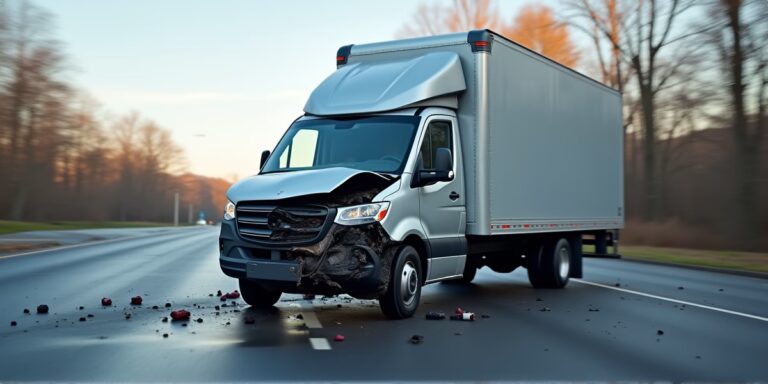
The question of whether you can continue driving a commercial truck after a serious accident is complex and depends on a multitude of factors. It’s not a simple yes or no answer. The immediate aftermath of the crash, the severity of your injuries, your medical restrictions, and the findings of any investigations all play a critical role. Furthermore, the Federal Motor Carrier Safety Administration (FMCSA) has stringent regulations governing who can operate commercial vehicles, and any incident impacting your driving record will be scrutinized.
One of the first hurdles is your medical certification. The FMCSA requires all commercial drivers to maintain a valid Medical Examiner’s Certificate (DOT physical). Following a serious accident, you’ll likely need to undergo a thorough medical evaluation to determine if you’re physically and mentally capable of safely operating a truck. If your doctor restricts your driving due to your injuries, you’ll be unable to drive until those restrictions are lifted. Even then, the insurance company may require an independent medical examination (IME) to verify your condition.
I’ve spent over 13 years representing truck drivers and trucking companies in San Diego, and I understand the intricacies of these regulations. Having been trained by a former insurance defense attorney, I have intimate knowledge of how insurance companies evaluate, devalue, and deny claims. They will often use the accident as leverage to question your fitness to drive, even if your injuries are fully healed. It’s crucial to have an advocate who understands their tactics and can protect your rights.
Will the Accident Affect My Driving Record?
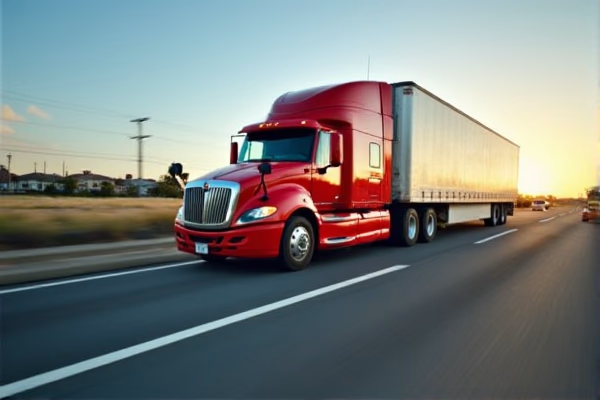
Yes, almost certainly. Any accident resulting in property damage, injury, or a citation will likely appear on your Motor Vehicle Record (MVR) and your Pre-Employment Screening Program (PSP) record. These records are routinely checked by insurance companies and potential employers. A clean driving record is essential for maintaining your commercial driver’s license and securing employment. The severity of the accident and any associated violations will determine the extent of the impact. A simple fender-bender with no injuries is far less concerning than a major collision with fault attributed to you.
Insurance companies will often investigate the accident thoroughly, and their findings can be used to justify higher premiums or even non-renewal of your policy. They may also report the accident to the FMCSA, potentially triggering a safety audit of your driving history. It’s important to understand your rights and responsibilities following an accident, and to consult with an attorney to ensure your interests are protected.
What if I Was Not At Fault in the Accident?
Even if you were not at fault, the accident can still have implications for your driving privileges. You may still need to undergo a medical evaluation to document your injuries and ensure you’re fit to drive. The insurance company of the at-fault driver may attempt to dispute liability, and their investigation could still impact your record. It’s essential to gather all available evidence, including police reports, witness statements, and dashcam footage, to support your claim and protect your driving record.
Can I Be Forced to Undergo a Drug Test After an Accident?
The FMCSA has strict regulations regarding drug and alcohol testing for commercial drivers. Following a serious accident, you may be required to submit to a post-accident drug and alcohol test. Refusal to submit to testing can result in immediate suspension of your commercial driver’s license. It’s important to understand your rights and responsibilities regarding drug and alcohol testing, and to consult with an attorney if you have any concerns.
What if I Receive a Citation After the Accident?
Receiving a citation after an accident can have serious consequences for your driving privileges. A conviction for a moving violation can result in points on your driving record, increased insurance premiums, and potential suspension of your commercial driver’s license. It’s important to consult with an attorney to explore your options for fighting the citation. In some cases, it may be possible to negotiate a plea bargain or have the citation dismissed.
How Long Does an Accident Stay on My Record?
The length of time an accident stays on your record varies depending on the severity of the accident and the state in which it occurred. Generally, accidents remain on your MVR for three to five years. However, more serious violations, such as DUI convictions or reckless driving charges, can remain on your record for a longer period of time. It’s important to regularly check your MVR and PSP record to ensure the information is accurate and up-to-date.
What Should I Do Immediately After a Truck Accident?
Following a truck accident, it’s crucial to take immediate steps to protect your rights and preserve your claim. First, ensure your safety and the safety of others. Then, call the police and report the accident. Exchange information with the other driver, including their insurance information and contact details. Document the scene of the accident, including photos of the damage, injuries, and any relevant evidence. Finally, consult with an attorney as soon as possible to discuss your legal options.
What is the Statute of Limitations for Filing a Truck Accident Claim in California?
In California, you have a limited amount of time to file a lawsuit following a truck accident. According to CCP § 335.1, you generally have **two years** from the date of the truck accident to file a lawsuit. Because trucking companies often begin evidence destruction (like purging ELD data) as soon as the law allows, immediate filing is critical to preserve the integrity of the claim.
What if the Truck Accident Involved a Government Vehicle or Road Hazard?
If a truck accident involves a government-owned vehicle or a dangerous road condition maintained by a public entity, the claim process is different. You must file a formal administrative claim with the government agency within a very short timeframe. According to Gov. Code § 911.2, a formal administrative claim **MUST** be presented within **6 months** (180 days). Failure to meet this strict deadline under the Government Tort Claims Act can result in the permanent loss of your right to recover.
What if the Driver Was Classified as an Independent Contractor?
Determining whether a delivery driver is an employee or an independent contractor can be complex. California’s ‘ABC test’ determines if a delivery driver (Amazon/FedEx) is an employee or contractor. Even if labeled a ‘contractor,’ a company may be liable if they exercise control over the driver’s work, a key factor in San Diego delivery truck litigation. This is often a contentious issue, and it’s important to consult with an attorney to understand your rights.
Can I Sue the Trucking Company Directly?
Yes, in many cases. Under the doctrine of **vicarious liability** (respondeat superior), a principal is responsible to third persons for the negligence of their agent in the transaction of business. This holds the trucking company legally liable for the wrongful acts of its drivers committed within the scope of their employment. This is a critical aspect of many trucking accident claims, as the trucking company typically has deeper pockets than the individual driver.
What if the Truck Driver Was Speeding?
Proving a violation of speed limits can be a powerful tool in establishing negligence. In California, commercial trucks (including semi-tractors with three or more axles) are strictly prohibited from exceeding **55 miles per hour** on any highway. In San Diego freeway crashes, proving a violation of this speed limit is a primary tool for establishing statutory negligence.