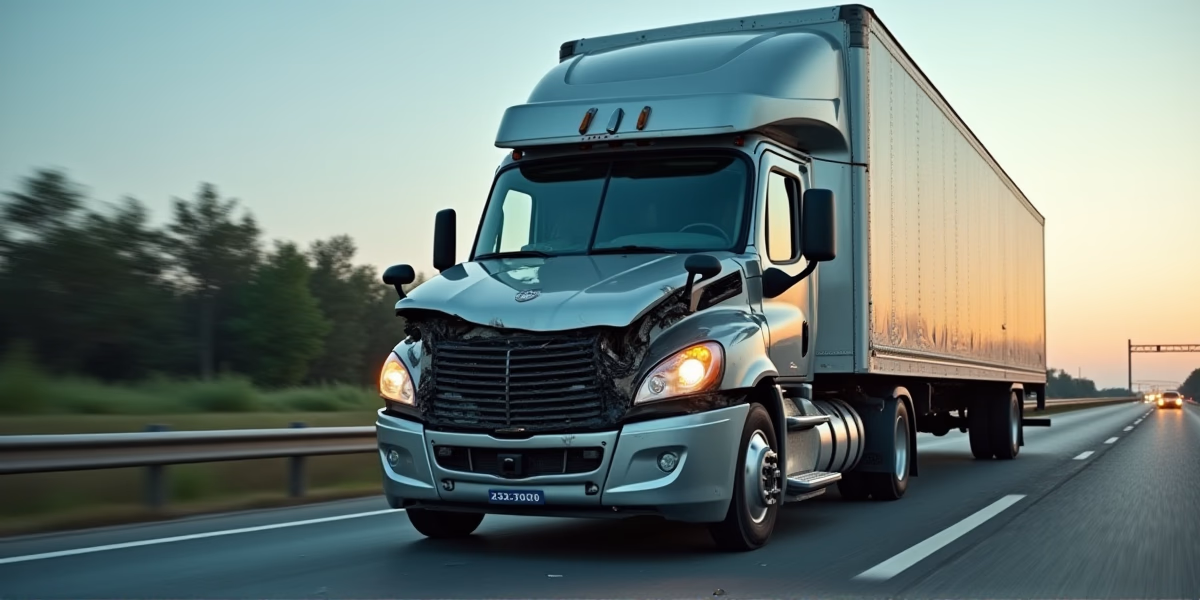
Can I Sue For Emotional Distress After A Truck Crash?

The short answer is yes, you can sue for emotional distress after a truck crash in California, but it’s not as straightforward as claiming physical injuries. California law recognizes “emotional distress” as a valid form of harm for which you may be able to recover damages. However, you generally need to demonstrate a direct connection between the accident and your emotional suffering, and it often requires a showing of significant, verifiable harm. This is where the experience of a seasoned attorney becomes critical.
There are two primary types of emotional distress claims: negligent infliction of emotional distress (NIED) and intentional infliction of emotional distress (IIED). NIED is more common in truck accident cases. To succeed on an NIED claim, you must prove that the defendant’s negligence caused you to suffer severe emotional distress, and that you experienced physical symptoms as a result. This is a high bar, requiring more than just feelings of sadness or anxiety. It requires demonstrable impacts to your daily life, like sleep disturbances, loss of appetite, or the need for psychological treatment.
I’ve been practicing personal injury law in San Diego for over 13 years, and I’ve seen firsthand how insurance companies attempt to minimize or dismiss emotional distress claims. They often argue that the distress isn’t severe enough, or that it wasn’t directly caused by the accident. That’s because emotional distress claims are harder to quantify than medical bills or lost wages. I was trained by former insurance defense attorneys, giving me intimate knowledge of how insurance companies evaluate, devalue, and deny claims. I understand the tactics they use and how to build a strong case to protect your rights.
Can I recover damages for PTSD after a truck accident?

Post-traumatic stress disorder (PTSD) is a common consequence of a traumatic truck accident. If you’ve been diagnosed with PTSD as a result of the crash, you can absolutely seek damages for the emotional distress it causes. However, you’ll need to provide medical documentation from a qualified mental health professional, such as a psychiatrist or psychologist, detailing your diagnosis, symptoms, and treatment plan. The more thorough the documentation, the stronger your claim will be.
Insurance companies will often scrutinize PTSD diagnoses, looking for pre-existing conditions or alternative explanations for your symptoms. It’s crucial to have a clear and consistent medical history, and to follow your doctor’s recommendations for treatment. Evidence like therapy records, medication prescriptions, and expert testimony can be invaluable in proving the link between the accident and your PTSD.
What evidence do I need to prove emotional distress?
Proving emotional distress requires more than just your word. You’ll need to gather evidence to support your claim. This includes medical records documenting your treatment for emotional distress, such as therapy notes, psychiatric evaluations, and medication prescriptions. Testimony from family and friends who have observed changes in your behavior or emotional state can also be helpful. Additionally, any documentation of lost work, cancelled activities, or other ways your emotional distress has impacted your daily life will strengthen your case.
How long do I have to file a lawsuit for emotional distress after a truck accident?
In California, the statute of limitations for personal injury claims, including those involving emotional distress, is generally **two years** from the date of the truck accident. Because trucking companies often begin evidence destruction (like purging ELD data) as soon as the law allows, immediate filing is critical to preserve the integrity of the claim. CCP § 335.1 dictates this timeframe. Missing this deadline means you lose your right to sue, regardless of the severity of your emotional distress.
What if the truck driver wasn’t at fault? Can I still sue for emotional distress?
This is a complex question. If the truck driver wasn’t at fault, it may be more difficult to pursue a claim for emotional distress. However, it’s still possible if you can prove that someone else’s negligence caused the accident and your emotional suffering. For example, if the trucking company failed to properly maintain the truck, or if a government entity was responsible for a dangerous road condition, you may be able to sue them for negligent infliction of emotional distress.
What should I do if an insurance adjuster asks me to give a recorded statement about my emotional distress?
Do not give a recorded statement to the insurance adjuster without first consulting with an attorney. Insurance companies are skilled at using recorded statements to minimize or deny claims. They may ask leading questions designed to downplay your emotional distress or suggest that it’s not related to the accident. An attorney can advise you on how to respond to the adjuster’s questions, or to decline to give a statement altogether.
What happens if I have pre-existing mental health conditions?
Having pre-existing mental health conditions doesn’t automatically disqualify you from recovering damages for emotional distress. However, it can make your case more challenging. You’ll need to prove that the truck accident **exacerbated** your existing conditions, and that the aggravation caused you significant harm. Medical testimony from a qualified mental health professional will be crucial in establishing this connection.
What if the accident involved a government vehicle or a dangerous road condition?
If a truck accident involves a government-owned vehicle or a dangerous road condition maintained by a public entity, a formal administrative claim **MUST** be presented within **6 months** (180 days). Failure to meet this strict deadline under the Government Tort Claims Act can result in the permanent loss of your right to recover. Gov. Code § 911.2 outlines these requirements. This claim process is very specific and requires strict adherence to procedural rules.
How do insurance companies evaluate emotional distress claims?
Insurance companies often use a variety of tactics to evaluate emotional distress claims. They may request your medical records, therapy notes, and employment history. They may also hire independent medical examiners to assess your condition. They’ll look for inconsistencies in your statements, pre-existing conditions, and any evidence that suggests your emotional distress is not directly related to the accident. It’s important to be prepared for this scrutiny and to work with an attorney who understands how insurance companies operate.
What is the role of expert testimony in an emotional distress claim?
Expert testimony from a qualified mental health professional is often crucial in proving emotional distress. An expert can provide a diagnosis of your condition, explain the link between the accident and your symptoms, and offer an opinion on the severity of your emotional distress. They can also testify about the treatment you’ll need in the future, and the costs associated with that treatment. Choosing the right expert is essential, and an experienced attorney can help you find a qualified professional.