Can Overloaded Trucks Cause Brake Failure?

Overloaded trucks are a significant hazard on California highways, and the connection between excessive weight and brake failure is often a direct one. Commercial trucks operate under strict weight regulations for a reason. Exceeding those limits doesn’t just violate the law; it fundamentally compromises the vehicle’s ability to stop safely. The Federal Motor Carrier Safety Administration (FMCSA) has detailed regulations regarding weight distribution and maximum cargo loads, all designed to prevent precisely the type of catastrophic accidents like Leo’s.
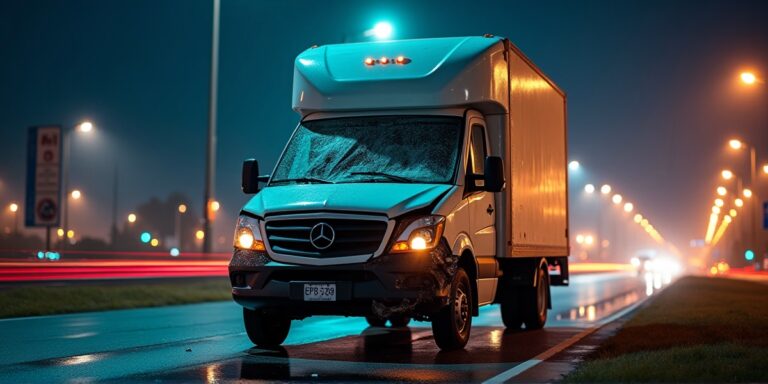
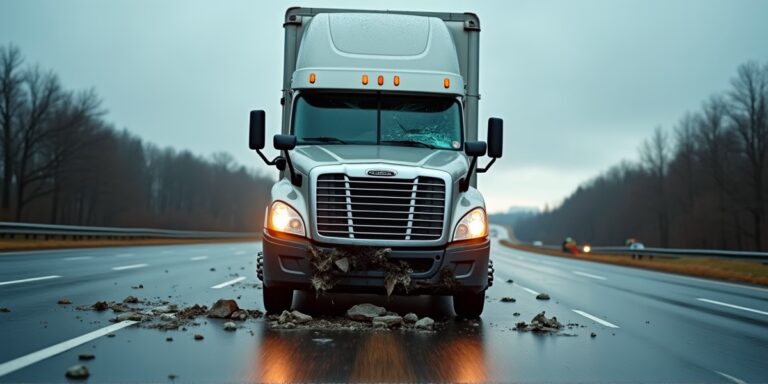
When a truck is overloaded, the braking system is forced to work far beyond its designed capacity. This leads to several critical issues. First, it increases the stopping distance dramatically. Second, it causes the brakes to overheat, leading to brake fade – a loss of braking power. In the worst-case scenario, this can result in complete brake failure, leaving the driver with no control over the massive vehicle. The consequences, as Leo tragically experienced, can be devastating.
I’ve been practicing personal injury law in San Diego for over 13 years, and I’ve seen firsthand how trucking companies prioritize profits over safety. Trained by a former insurance defense attorney, I have intimate knowledge of how insurance companies evaluate, devalue, and deny claims. They will often attempt to downplay the role of overloading, claiming the accident was caused by driver error or other factors. However, a thorough investigation can often reveal evidence of weight violations, proving the trucking company’s negligence.
How Can I Prove a Truck Was Overloaded?
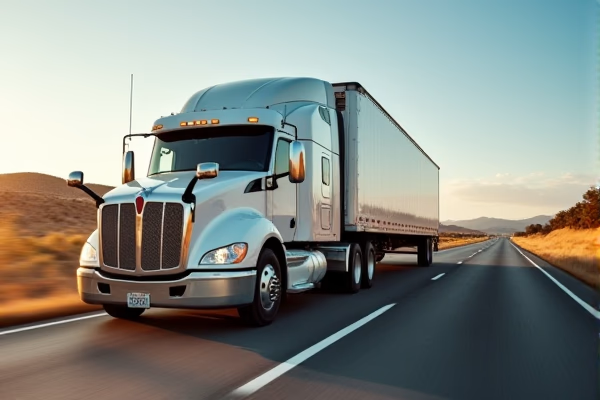
Establishing that a truck was overloaded requires a detailed investigation. Fortunately, there are several avenues we can pursue. First, the truck’s Bill of Lading (BOL) is a crucial document. This manifest details the weight and contents of the cargo. We’ll subpoena this document to verify the declared weight. However, the BOL isn’t always accurate. Truckers may intentionally misreport the weight to avoid scrutiny at weigh stations.
Second, we can request the truck’s maintenance records. These records should show the last time the truck was weighed and inspected. Discrepancies between the declared weight on the BOL and the actual weight recorded during inspection can be a strong indicator of overloading. Third, accident reconstruction experts can analyze the skid marks at the scene to estimate the truck’s weight at the time of the collision. This is particularly useful when the BOL is missing or unreliable.
Finally, we can examine the truck’s Electronic Logging Device (ELD) data. While ELD data primarily tracks hours of service, it can also provide clues about the truck’s weight. Changes in fuel consumption or unusual braking patterns can suggest an overloaded vehicle. In San Diego, we frequently work with forensic experts to analyze this data and build a compelling case.
What Legal Options Do I Have If a Truck Was Overloaded?
If we can prove a truck was overloaded and that this overloading contributed to your injuries, you may have several legal options. The most common is a negligence claim against the trucking company. Under the doctrine of **vicarious liability** (respondeat superior), a principal is responsible to third persons for the negligence of their agent in the transaction of business. This holds the trucking company legally liable for the wrongful acts of its drivers committed within the scope of their employment. Civ. Code § 2338
You may also be able to pursue a claim against the company that loaded the truck if they were negligent in ensuring the weight limits were not exceeded. This is particularly relevant in cases involving multiple parties, such as a shipping company and a freight broker. In addition, if the truck was operating illegally, you may be able to seek punitive damages, which are designed to punish the trucking company for its reckless behavior.
Furthermore, it’s important to consider whether the truck was also in violation of federal Hours of Service (HOS) regulations. Violations of these federal safety standards, often proven through Electronic Logging Device (ELD) data, are used to demonstrate driver fatigue. 49 CFR § 395
What Damages Can I Recover in an Overloaded Truck Accident Case?
The damages you can recover in an overloaded truck accident case are extensive and can include both economic and non-economic losses. Economic damages include medical expenses (past and future), lost wages, property damage, and rehabilitation costs. Non-economic damages include pain and suffering, emotional distress, and loss of enjoyment of life.
In cases involving severe injuries, you may also be able to recover damages for permanent disability, disfigurement, and loss of consortium (loss of companionship and support from a spouse). If the accident resulted in a fatality, the family members of the deceased may be able to pursue a wrongful death claim, recovering damages for financial support, funeral expenses, and the loss of the decedent’s love, companionship, and guidance. CCP § 377.60
It’s crucial to document all of your damages thoroughly. Keep detailed records of your medical bills, lost wages, and any other expenses related to the accident. Also, keep a journal of your pain and suffering, emotional distress, and any limitations you’re experiencing as a result of your injuries.
How Long Do I Have to File a Lawsuit After a Truck Accident?
California law provides a **two-year** window from the date of the truck accident to file a lawsuit. CCP § 335.1 Because trucking companies often begin evidence destruction (like purging ELD data) as soon as the law allows, immediate filing is critical to preserve the integrity of the claim.
This statute of limitations can be complex, especially in cases involving multiple parties or government entities. If the accident involved a government-owned vehicle or a dangerous road condition maintained by a public entity, a formal administrative claim **MUST** be presented within **6 months** (180 days). Gov. Code § 911.2 Failure to meet this strict deadline under the Government Tort Claims Act can result in the permanent loss of your right to recover.
Don’t delay in seeking legal counsel. An attorney can advise you on the applicable statute of limitations and ensure that your claim is filed within the required timeframe.
What Should I Do If the Insurance Company Contacts Me?
If the insurance company contacts you after a truck accident, **do not** give a recorded statement without first consulting with an attorney. Insurance companies are skilled at minimizing payouts, and they will often use your own words against you. They may ask seemingly innocent questions, but their ultimate goal is to find ways to deny or reduce your claim.
It’s best to let an attorney handle all communications with the insurance company. We can protect your rights and ensure that you don’t inadvertently say anything that could harm your case. We will gather all the necessary evidence, negotiate with the insurance company on your behalf, and fight to get you the maximum compensation you deserve.
Remember, the insurance company is not on your side. They are a business, and their priority is to protect their bottom line. An experienced attorney can level the playing field and advocate for your best interests.