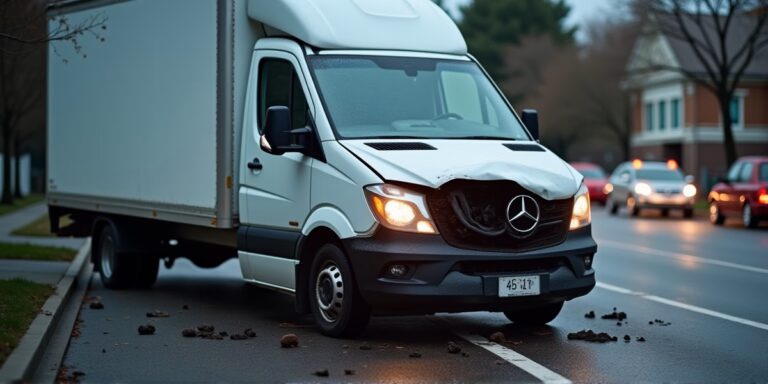
How Long Do Vehicle Repairs Take After Truck Accidents?

The timeline for vehicle repairs after a truck accident is rarely straightforward. It’s not simply a matter of dropping off the car and picking it up a week later. The complexity stems from the severity of the damage, the type of vehicle involved, parts availability, and, unfortunately, the insurance company’s tactics. As a personal injury attorney practicing in San Diego for over 13 years, I’ve seen firsthand how these delays can significantly impact my clients’ lives, both financially and emotionally. I was trained by former insurance defense attorneys, giving me intimate knowledge of how insurance companies evaluate, devalue, and deny claims.
One of the biggest hurdles is determining the extent of the damage. While visible damage might seem clear, hidden issues often emerge during a thorough inspection. Frame damage, compromised safety systems, and even issues with the vehicle’s computer can significantly extend repair times. Trucks, due to their size and complexity, are particularly prone to these hidden problems. A qualified, independent auto body shop is essential for a comprehensive assessment, not just the one recommended by the insurance adjuster.
How Does the Insurance Company Determine a Repair Timeline?
Insurance companies typically rely on estimates from their preferred repair shops to establish a timeline. However, these estimates are often lowball figures designed to minimize their payout. They may also use Computerized Estimating Systems (CES) like Mitchell or CCC, which can undervalue labor rates and parts costs. It’s crucial to understand that you are entitled to a fair and reasonable repair, and you don’t have to accept the insurance company’s initial assessment.
Furthermore, insurance companies may attempt to steer you towards “cash value” settlements, especially if the vehicle is older or has high mileage. This means they offer you the market value of the truck *before* the accident, rather than covering the cost of repairs. While this might seem appealing, it often leaves you shortchanged, especially considering the inconvenience and potential safety risks of driving a repaired vehicle with a diminished value.
Negotiating with the insurance company requires a strong understanding of your rights and the true cost of repairs. Document everything, obtain multiple independent estimates, and be prepared to push back against any attempts to undervalue your claim.
What if My Truck is Deemed a Total Loss?
If the cost of repairs exceeds the vehicle’s actual cash value (ACV), the insurance company will likely declare it a total loss. Determining the ACV is another area where disputes often arise. Insurance companies use various methods, such as comparable sales data, but these valuations can be inaccurate or biased.
You have the right to challenge the insurance company’s ACV determination. Provide evidence of recent upgrades, low mileage, and any unique features that increase your truck’s value. You can also obtain your own independent appraisal to support your claim. Remember, you are entitled to receive fair compensation for the full value of your vehicle, including sales tax, registration fees, and any other associated costs.
In San Diego, we often see cases where the insurance company attempts to deduct depreciation from the ACV. Depreciation reflects the loss of value over time, but it shouldn’t unfairly reduce your recovery.
What Can I Do to Speed Up the Repair Process?
While you can’t control every aspect of the repair process, there are steps you can take to expedite things. First, choose a reputable, independent auto body shop with experience repairing trucks. They will be able to provide an accurate assessment and work efficiently to complete the repairs.
Second, maintain open communication with the insurance adjuster and the repair shop. Regularly follow up on the status of your claim and address any issues promptly. Third, document all communication and expenses related to the repair process. This documentation will be invaluable if you need to pursue legal action.
Finally, be prepared to advocate for yourself. Don’t hesitate to challenge the insurance company’s decisions and demand a fair and reasonable settlement.
What if the Insurance Company is Delaying the Process?
Insurance companies sometimes employ delay tactics to discourage claimants from pursuing their claims. They may request unnecessary documentation, repeatedly deny your claim, or simply fail to respond to your inquiries. These tactics are often illegal and can be considered bad faith.
If you suspect the insurance company is acting in bad faith, it’s crucial to consult with an attorney. We can investigate your claim, gather evidence of the insurance company’s misconduct, and pursue legal action to compel them to pay what you deserve.
In San Diego, we have seen numerous cases where insurance companies have been held liable for bad faith practices, resulting in significant financial penalties for the policyholder.
What Happens if My Truck Repairs are Substandard?
Unfortunately, even after repairs are completed, issues can still arise. If the repairs are substandard or if the truck is unsafe to drive, you have the right to demand further action. This may involve having the truck re-inspected by an independent mechanic or pursuing legal action to compel the insurance company to cover the cost of additional repairs.
It’s essential to document any defects or safety concerns immediately. Take photos, videos, and obtain a written report from a qualified mechanic. You may also be entitled to a rental car while the truck is being re-repaired.
Protecting your safety and ensuring your truck is properly repaired is paramount.
What if the Accident Involved a Government Vehicle or Road Hazard?
If your truck accident involved a government vehicle or a dangerous road condition maintained by a public entity, the claims process is significantly different. You **MUST** file a formal administrative claim with the government agency within **6 months** (180 days) of the accident. Failure to meet this strict deadline under the Gov. Code § 911.2 can result in the permanent loss of your right to recover.
These claims are often complex and require specialized knowledge of government liability laws. It’s highly recommended to consult with an attorney experienced in handling claims against public entities.
The government agency will investigate your claim and may deny it outright. If your claim is denied, you have the right to file a lawsuit in court, but you must do so within a specific timeframe.
What if the Truck Driver Was an Independent Contractor?
Determining the employment status of the truck driver can be crucial in establishing liability. If the driver was labeled as an independent contractor, the trucking company may argue they are not responsible for their actions. However, California’s ‘ABC test’ determines if a delivery driver (Amazon/FedEx) is an employee or contractor. Even if labeled a ‘contractor,’ a company may be liable if they exercise control over the driver’s work, a key factor in San Diego delivery truck litigation. This is outlined in Labor Code § 2775.
We will investigate the driver’s relationship with the trucking company to determine if they were truly an independent contractor or if they were misclassified as an employee.
If the driver was misclassified, the trucking company may be liable for their negligence under the doctrine of respondeat superior.
What if the Insurance Company Requests a Recorded Statement?
Insurance companies often request recorded statements from claimants. While you are not legally obligated to provide a statement, doing so can be risky. The insurance adjuster may use your statement to try to minimize your claim or deny it altogether.
It’s best to decline the request for a recorded statement and consult with an attorney before providing any information to the insurance company. We can advise you on the best course of action and protect your rights.
Remember, the insurance company is not on your side. They are looking for ways to save money, and they may use your statement against you.
What if I Have Medical Liens After the Accident?
After a truck accident, you may incur significant medical expenses. If you have medical liens from hospitals, doctors, or other healthcare providers, these liens must be resolved before you can recover any settlement funds. Medical liens represent the healthcare provider’s right to be paid for the services they provided.
Negotiating with medical lien holders can be complex. We can review your medical bills, identify any errors or overcharges, and negotiate a fair and reasonable settlement.
We also have experience dealing with ER billing vs. medical liens, ensuring you are not overpaying for emergency room services.
What if the Insurance Company Offers a Policy Limits Tender?
Once the insurance company has evaluated your claim, they may offer a policy limits tender. This means they are offering to pay the maximum amount of coverage available under their policy.
Before accepting a policy limits tender, it’s crucial to consult with an attorney. We can assess the full extent of your damages and determine if the policy limits are sufficient to cover your losses.
We can also investigate whether there are other sources of recovery, such as excess insurance policies or the trucking company’s assets.