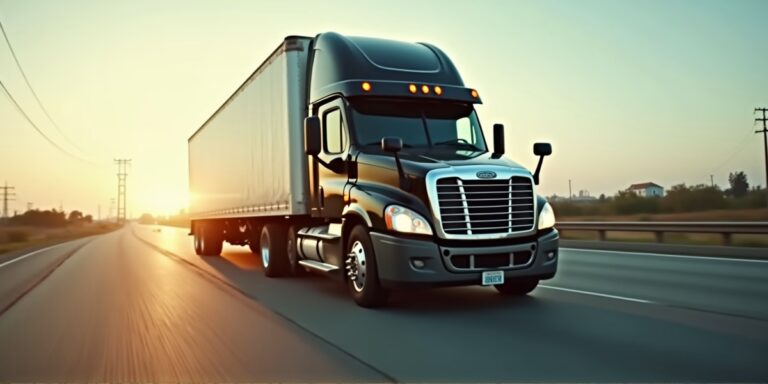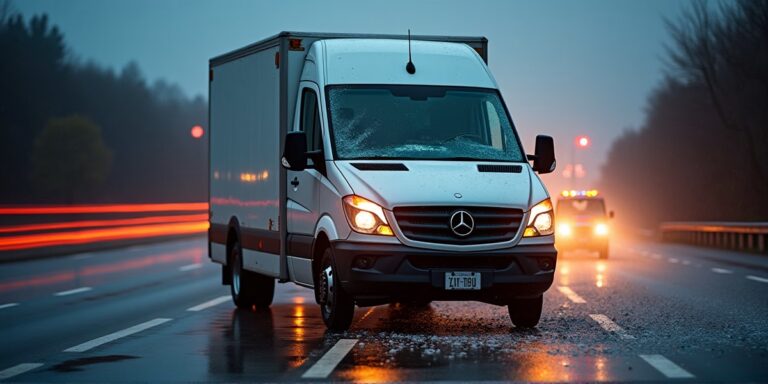
What Causes Most Truck Accidents In San Diego?

Truck accidents are often far more complex than car crashes. The sheer size and weight of these vehicles mean injuries are typically catastrophic, and determining liability can be a labyrinthine process. As a personal injury attorney practicing in San Diego for over 13 years, I’ve seen firsthand how insurance companies attempt to minimize payouts and deflect blame. I was trained by a former insurance defense attorney, giving me intimate knowledge of how insurance companies evaluate, devalue, and deny claims.
One of the most common causes of truck accidents in San Diego is driver fatigue. Federal regulations limit the number of hours a commercial driver can operate, but these rules are frequently violated. Companies often push drivers to meet unrealistic deadlines, leading to exhausted drivers behind the wheel. This can result in delayed reaction times, impaired judgment, and ultimately, devastating accidents.
Another significant factor is improper maintenance. Commercial trucks require regular inspections and upkeep to ensure they are safe for the road. Neglecting necessary repairs – such as brake failures, tire blowouts, or faulty lighting – can create hazardous conditions. When a trucking company fails to properly maintain its vehicles, they can be held directly liable for any resulting accidents.
Distracted driving is also a growing problem in the trucking industry. Drivers may be using cell phones, texting, or engaging with other electronic devices while operating their vehicles. This takes their attention off the road and significantly increases the risk of a collision. It’s important to remember that even a momentary lapse in concentration can have catastrophic consequences.
Finally, inadequate training and negligent hiring practices play a role in many truck accidents. Trucking companies have a responsibility to thoroughly vet their drivers and provide them with the necessary training to operate their vehicles safely. Failing to do so can lead to unqualified drivers on the road, increasing the risk of accidents.
What should I do immediately after a truck accident?
The first step is to ensure your immediate safety. If possible, move your vehicle to a safe location away from traffic. Then, call 911 to report the accident and request medical assistance. Even if you don’t feel seriously injured, it’s crucial to be evaluated by a medical professional. Internal injuries and the effects of adrenaline can mask the severity of your condition.
Next, gather as much information as possible about the accident. This includes the truck driver’s information (name, license number, insurance details), the trucking company’s information, and any witness contact information. If you can safely do so, take photos of the accident scene, including vehicle damage, road conditions, and any visible injuries.
Finally, it’s essential to contact an experienced attorney as soon as possible. An attorney can help you navigate the complex legal process, protect your rights, and ensure you receive the compensation you deserve.
How does California law affect my truck accident claim?
California law provides a **two-year** window from the date of the truck accident to file a lawsuit. Because trucking companies often begin evidence destruction (like purging ELD data) as soon as the law allows, immediate filing is critical to preserve the integrity of the claim. It’s also important to understand the concept of vicarious liability, which holds the trucking company legally responsible for the actions of its drivers.
Under the doctrine of **vicarious liability** (respondeat superior), a principal is responsible to third persons for the negligence of their agent in the transaction of business. This holds the trucking company legally liable for the wrongful acts of its drivers committed within the scope of their employment.
What evidence is needed to prove a truck accident claim?
Building a strong truck accident claim requires gathering substantial evidence. This includes police reports, medical records, witness statements, and photos of the accident scene. Crucially, obtaining the truck driver’s logbooks and Electronic Logging Device (ELD) data is essential to determine if they were in violation of federal Hours of Service (HOS) regulations.
Federal **Hours of Service (HOS)** regulations dictate exactly how long a driver can be behind the wheel. Violations of these federal safety standards, often proven through Electronic Logging Device (ELD) data, are used to demonstrate driver fatigue.
What if the truck driver claims I was partially at fault?
California’s ‘pure’ comparative fault system applies to trucking claims. Even if a truck driver argues you shared responsibility, you can still recover damages; however, your total compensation will be reduced by your percentage of fault. It’s important to have an attorney investigate the accident thoroughly to determine the true cause and allocate fault appropriately.
California’s ‘pure’ comparative fault system applies to trucking claims. Even if a truck driver argues you shared responsibility, you can still recover damages; however, your total compensation will be reduced by your percentage of fault.
What if the truck was owned by a government entity?
If a truck accident involves a government-owned vehicle or a dangerous road condition maintained by a public entity, a formal administrative claim **MUST** be presented within **6 months** (180 days). Failure to meet this strict deadline under the Government Tort Claims Act can result in the permanent loss of your right to recover. These claims have specific requirements and procedures, making it crucial to seek legal assistance promptly.
…if a truck accident involves a government-owned vehicle or a dangerous road condition maintained by a public entity, a formal administrative claim **MUST** be presented within **6 months** (180 days). Failure to meet this strict deadline under the Government Tort Claims Act can result in the permanent loss of your right to recover.