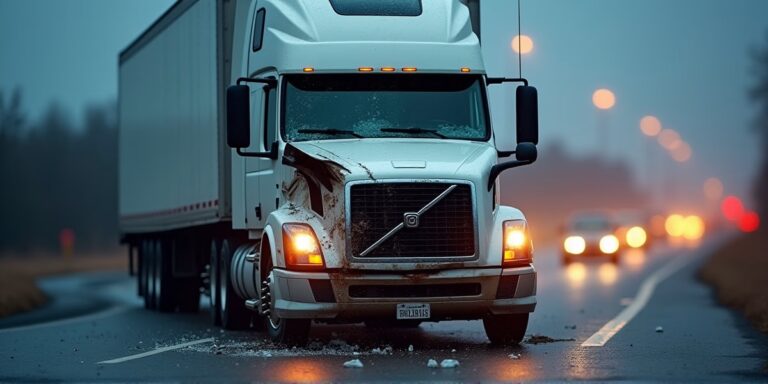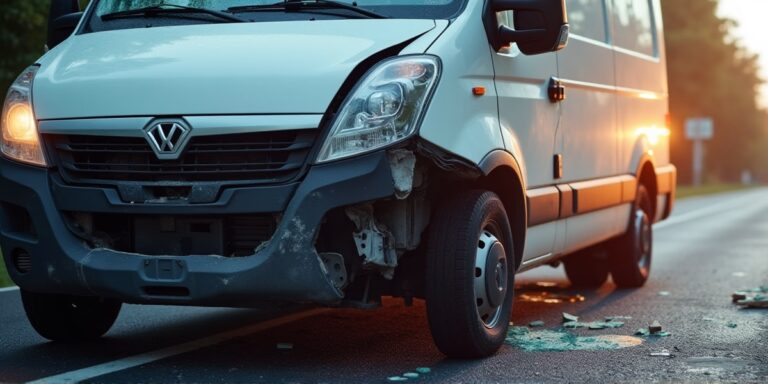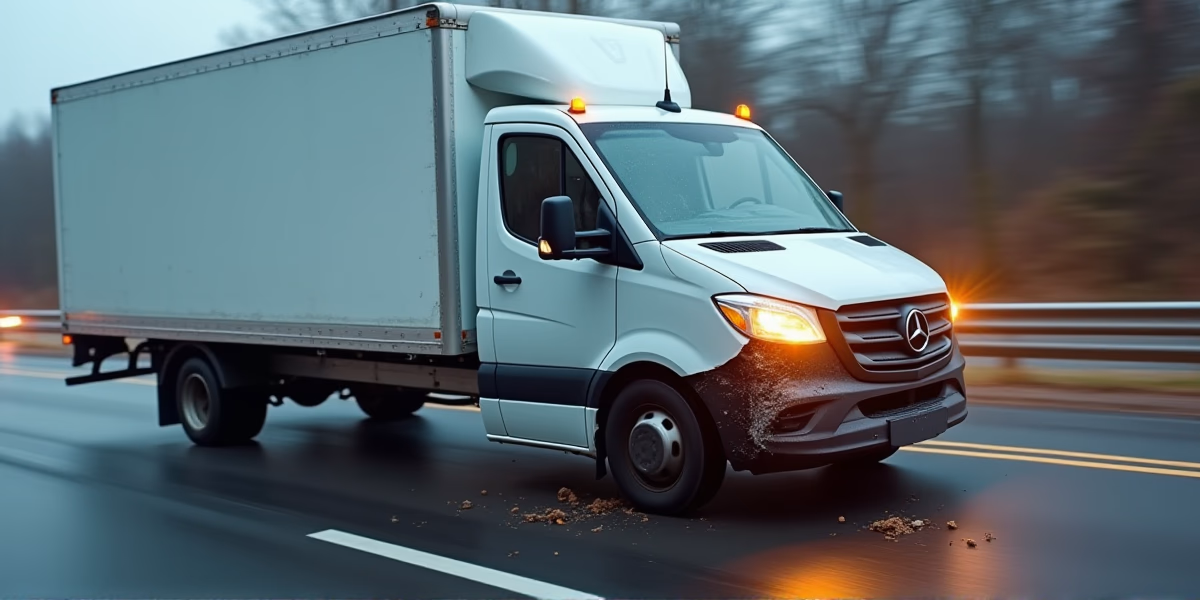
What Happens If A Drunk Truck Driver Causes A Crash In San Diego?

When a drunk truck driver causes an accident, the legal ramifications are complex. Unlike a typical car accident, you’re often dealing with a large corporation – the trucking company – that has significant resources to defend itself. This means proving negligence isn’t just about establishing the driver’s intoxication; it’s about uncovering the company’s potential role in allowing a dangerously impaired driver behind the wheel. This could involve looking at hiring practices, training protocols, and whether the company knowingly allowed a driver with a history of substance abuse to operate a commercial vehicle.
The immediate aftermath of the crash is critical. Document everything you can, including the police report, witness statements, and your medical records. However, be very cautious about speaking with insurance adjusters before consulting with an attorney. They are trained to minimize payouts, and anything you say can be used against you. A skilled attorney will handle all communication with the insurance company, protecting your rights and maximizing your potential recovery.
I’ve been practicing personal injury law in San Diego for over 13 years, and I’ve seen firsthand how insurance companies attempt to devalue and deny claims involving drunk truck drivers. I was trained by a former insurance defense attorney, giving me intimate knowledge of how these companies evaluate cases and build their defenses. This insight allows me to anticipate their strategies and build a stronger case on your behalf.
What evidence is needed to prove a truck driver was drunk at the time of the accident?
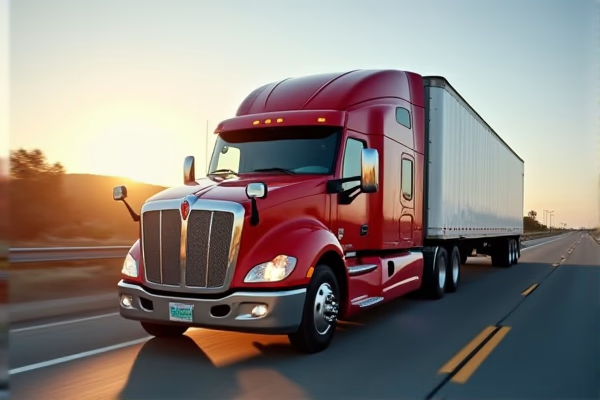
Establishing intoxication requires more than just a police report showing a positive BAC reading. While a blood alcohol test is strong evidence, it’s not always conclusive. We often look for additional evidence, such as witness testimony describing the driver’s behavior before the crash – slurred speech, unsteady gait, or the odor of alcohol. Police dashcam footage, if available, can also be invaluable. Furthermore, we investigate the driver’s history for prior DUI convictions or alcohol-related incidents.
It’s also important to understand that “drunk” isn’t always defined by a specific BAC level. Evidence of visible impairment, even if the BAC is slightly below the legal limit, can be enough to establish negligence. We work with accident reconstruction experts to analyze the driver’s actions leading up to the crash, looking for signs of impairment such as erratic lane changes or excessive speed.
Can I sue the trucking company directly if their driver was drunk?
Yes, absolutely. Under the doctrine of **vicarious liability** (respondeat superior), a principal is responsible to third persons for the negligence of their agent in the transaction of business. Civ. Code § 2338 establishes this legal principle. This means the trucking company can be held liable for the driver’s negligence, even if they weren’t directly involved in the accident. We often uncover evidence of negligent hiring practices, inadequate training, or a failure to properly supervise drivers, which strengthens our case against the company.
The trucking company’s insurance policy will likely have much higher limits than the driver’s personal policy, providing a greater potential for recovery. However, these companies will aggressively defend themselves, so it’s crucial to have an attorney who understands the complexities of trucking litigation.
What if the truck driver was working for a rideshare or delivery service?
Determining liability becomes more nuanced when the driver is working for a rideshare or delivery service like Amazon or FedEx. California’s ‘ABC test’ determines if a delivery driver (Amazon/FedEx) is an employee or contractor. Labor Code § 2775 outlines this test. Even if labeled a ‘contractor,’ the company may be liable if they exercise control over the driver’s work. We investigate the level of control the company exerted over the driver, including scheduling, route assignments, and performance monitoring.
If the driver is deemed an employee, the company is directly liable for their actions. If they are an independent contractor, we may still be able to pursue a claim based on negligent hiring or a failure to adequately vet the driver’s background.
What is the deadline for filing a lawsuit after a truck accident involving a drunk driver?
California law provides a **two-year** window from the date of the truck accident to file a lawsuit. CCP § 335.1 outlines this statute of limitations. Because trucking companies often begin evidence destruction (like purging ELD data) as soon as the law allows, immediate filing is critical to preserve the integrity of the claim.
Don’t delay seeking legal counsel. The sooner you contact an attorney, the sooner we can begin investigating the accident, gathering evidence, and protecting your rights. Waiting too long can jeopardize your ability to recover the compensation you deserve.
What should I do if the insurance company asks me to give a recorded statement?
Politely decline. Insurance companies routinely request recorded statements, but these statements are often used to minimize their liability. They are skilled at asking leading questions and twisting your words to create doubt about your claim. It’s best to let an attorney handle all communication with the insurance company. We will prepare you for any potential depositions or interviews, ensuring you are fully informed of your rights and how to answer questions effectively.
Remember, you are not obligated to provide any information to the insurance company without legal representation. Protecting your rights is paramount, and a skilled attorney can navigate the complex insurance claims process on your behalf.