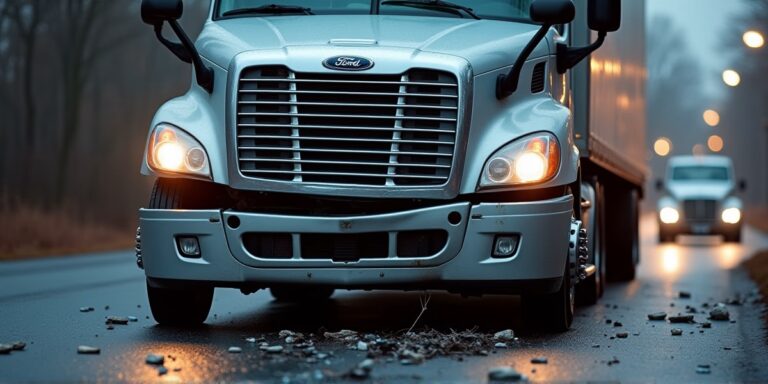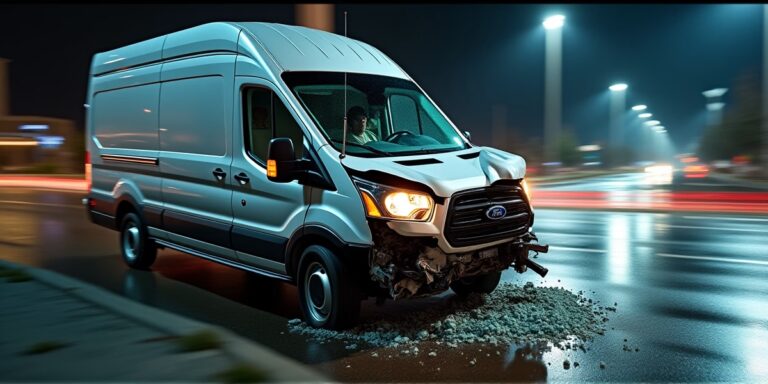
What If A Truck Caused A Chain Reaction Crash?

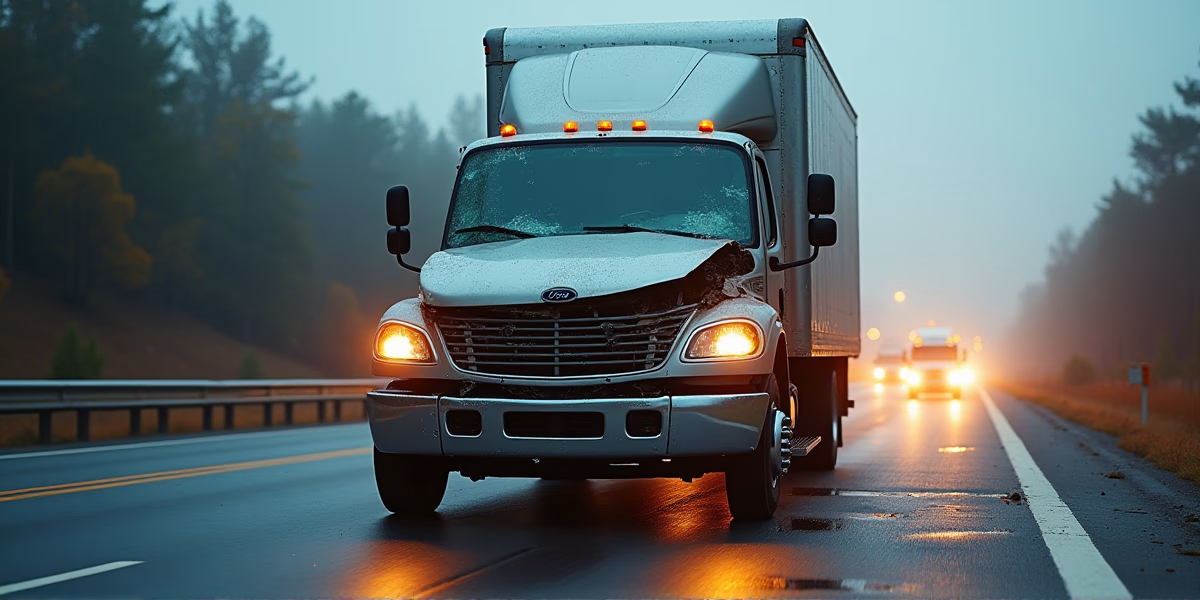
Chain-reaction crashes involving commercial trucks are often far more complex than typical auto accidents. Determining liability can be a significant challenge, as multiple parties may share fault. The initial truck driver’s negligence is often the primary cause, but the actions (or inactions) of other drivers, road conditions, and even vehicle maintenance can all play a role. Successfully navigating these complexities requires a thorough investigation and a deep understanding of California trucking laws.
One of the first steps is identifying all potentially liable parties. This includes the truck driver, the trucking company, the company that loaded the truck (if improperly secured cargo contributed to the crash), and potentially even the manufacturer of a defective truck part. We’ll immediately work to secure the truck’s Electronic Logging Device (ELD) data, which can reveal critical information about the driver’s hours of service and potential fatigue. Additionally, obtaining the police report, witness statements, and any available dashcam footage is crucial.
As a personal injury attorney with over 13 years of experience practicing in San Diego, I’ve handled countless truck accident cases. I was trained by a former insurance defense attorney, giving me intimate knowledge of how insurance companies evaluate, devalue, and deny claims. This insight allows me to anticipate their tactics and build a strong case on your behalf, maximizing your potential recovery.
What evidence is needed to prove liability in a chain-reaction truck crash?
Establishing liability in a chain-reaction truck crash requires a comprehensive collection of evidence. This goes beyond the typical police report and witness statements. We’ll focus on obtaining the truck driver’s logbooks (ELD data), maintenance records, and the truck’s ‘black box’ data recorder. These records can reveal violations of federal Hours of Service regulations, mechanical defects, and potentially negligent driving habits.
Furthermore, expert reconstruction analysis is often necessary to determine the sequence of events and identify the initial point of impact. This can help pinpoint the at-fault party and demonstrate how their actions directly caused the chain reaction. In some cases, we may also need to examine the cargo manifest to determine if the load was properly secured, as unsecured cargo can contribute to a truck’s inability to stop safely.
How does California’s comparative fault rule apply to these types of accidents?
California operates under a ‘pure’ comparative fault system, meaning you can recover damages even if you were partially at fault for the accident. However, your recovery will be reduced by your percentage of fault. For example, if you are found to be 20% responsible for the crash, you can still recover 80% of your damages. Insurance companies will aggressively attempt to assign you a portion of the blame, so it’s critical to have a skilled attorney who can effectively counter their arguments.
Common arguments used by insurance companies include claims of following too closely, distracted driving, or failing to take evasive action. We’ll thoroughly investigate these claims and present evidence to demonstrate your reasonable care under the circumstances. Under Civ. Code § 1714, the burden of proof lies with the defendant to demonstrate your negligence.
What if the truck driver was working for a trucking company at the time of the crash?
In most cases, the trucking company will be held liable for the actions of its drivers under the doctrine of **vicarious liability** (respondeat superior). This means the company is legally responsible for the wrongful acts of its employees committed within the scope of their employment. We’ll investigate the company’s hiring practices, training procedures, and safety protocols to determine if they were negligent in any way.
For instance, if the company failed to properly vet the driver’s background, provide adequate training, or enforce safety regulations, they could be directly liable for your injuries. Civ. Code § 2338 provides the legal basis for holding the trucking company accountable.
What are the deadlines for filing a claim after a chain-reaction truck crash?
California law provides a **two-year** window from the date of the truck accident to file a lawsuit. Because trucking companies often begin evidence destruction (like purging ELD data) as soon as the law allows, immediate filing is critical to preserve the integrity of the claim. Delaying can significantly weaken your case and potentially result in the loss of valuable evidence.
If the crash involved a government-owned vehicle or a dangerous road condition maintained by a public entity, a formal administrative claim **MUST** be presented within **6 months** (180 days). Failure to meet this strict deadline under the Government Tort Claims Act can result in the permanent loss of your right to recover. Gov. Code § 911.2 outlines these specific requirements.
What should I do if the insurance company asks me to give a recorded statement?
Insurance companies often request recorded statements shortly after an accident. While it may seem harmless, these statements are designed to gather information that can be used to devalue or deny your claim. It’s best to politely decline the request and consult with an attorney before providing any statements.
- Do not admit fault: Even a seemingly innocent comment can be twisted against you.
- Do not speculate: Stick to the facts and avoid guessing or providing opinions.
- Do not minimize your injuries: Accurately describe the extent of your pain and suffering.