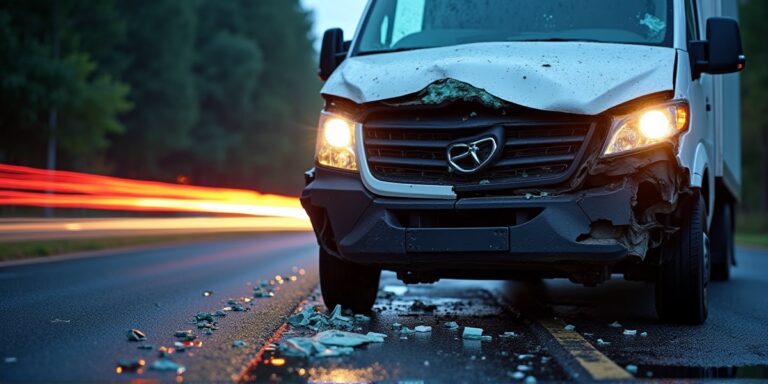
What If I Was Injured As A Passenger On A Shuttle?

As a personal injury attorney practicing in San Diego for over 13 years, I’ve seen countless cases like Javier’s. Passengers in shuttle vans, buses, and other common carriers have legal rights when injured due to the negligence of the driver or the company operating the vehicle. It’s crucial to understand that these cases often involve complex insurance policies and potential claims against multiple parties.
One of the biggest hurdles in these cases is establishing liability. While the driver is often at fault, the shuttle company, hotel, or even the vehicle manufacturer could also bear responsibility. For example, if the accident was caused by faulty brakes, a claim could be pursued against the company that maintained the vehicle. I’ve been trained by former insurance defense attorneys, giving me intimate knowledge of how insurance companies evaluate, devalue, and deny claims. This insight allows me to anticipate their tactics and build a stronger case for my clients.
What types of compensation can I recover as a shuttle passenger?

Passengers injured on a shuttle are entitled to recover a wide range of damages, including both economic and non-economic losses. Economic damages cover your financial losses, such as medical expenses (past and future), lost wages, and property damage. Non-economic damages compensate you for the pain and suffering, emotional distress, and loss of enjoyment of life caused by the injury. In Javier’s case, this would include compensation for his broken femur, concussion, and the long-term impact on his ability to work and enjoy his hobbies.
Furthermore, in cases of particularly egregious negligence, punitive damages may be available. These damages are intended to punish the responsible party and deter similar conduct in the future. It’s important to note that the specific amount of compensation you can recover will depend on the severity of your injuries, the extent of your losses, and the facts of your case.
What if the shuttle company claims I assumed the risk by riding in the van?
The argument of “assumption of risk” often arises in shuttle accident cases. Insurance companies may attempt to claim that you knowingly accepted the inherent risks of riding in a shuttle van. However, this defense is rarely successful. Simply getting into a shuttle van does not automatically mean you waived your right to safety. To prove assumption of risk, the company must demonstrate that you were fully aware of a specific, known danger and voluntarily chose to proceed despite that danger. This is a high bar to clear, especially if the accident was caused by driver negligence or vehicle malfunction.
Moreover, common carriers have a heightened duty of care to their passengers. They are legally obligated to ensure your safety and provide a reasonably safe ride. This duty exists regardless of any perceived risks associated with transportation. A skilled attorney can effectively counter this defense by highlighting the company’s negligence and emphasizing their responsibility to protect their passengers.
How does the statute of limitations affect my claim?
In California, there is a strict deadline for filing a lawsuit after a truck accident. CCP § 335.1 states that you generally have **two years** from the date of the accident to initiate legal proceedings. Because trucking companies often begin evidence destruction (like purging ELD data) as soon as the law allows, immediate filing is critical to preserve the integrity of the claim.
Waiting too long to file can result in the permanent loss of your right to recover compensation. Even if you are still undergoing medical treatment, it’s crucial to consult with an attorney as soon as possible to ensure your claim is filed within the statutory timeframe. I have successfully handled numerous cases where timely filing was essential to securing a favorable outcome for my clients.
What if the shuttle was contracted by a third-party company, like a hotel or airport?
Many shuttle services are operated by independent contractors rather than directly by the hotel or airport. This can complicate the process of determining liability. However, it doesn’t necessarily mean you can’t recover compensation. The hotel or airport may still be held responsible under the doctrine of vicarious liability if they exercised control over the shuttle company’s operations. For example, if the hotel dictated the shuttle’s schedule, routes, or safety protocols, they could be deemed liable for any resulting accidents.
Determining the proper parties to sue requires a thorough investigation of the contractual agreements between the various entities involved. An experienced attorney can navigate these complexities and identify all potential sources of recovery. I have a proven track record of successfully pursuing claims against both direct employers and third-party contractors in San Diego shuttle accident cases.
What should I do immediately after a shuttle accident?
Following a shuttle accident, it’s essential to take several steps to protect your legal rights. First, seek immediate medical attention, even if you don’t feel seriously injured. Some injuries, like whiplash or internal bleeding, may not be immediately apparent. Second, gather as much information as possible about the accident, including the driver’s contact information, the shuttle company’s name and address, and the names and contact information of any witnesses. Third, document everything related to your injuries, including medical bills, lost wages, and pain and suffering.
Finally, and most importantly, avoid speaking to the insurance company without first consulting with an attorney. Insurance adjusters are trained to minimize payouts and may attempt to trick you into making statements that could harm your claim. I strongly advise my clients to refrain from any communication with the insurance company until I have had a chance to assess the situation and advise them on the best course of action.
What if the shuttle driver was texting while driving?
Texting while driving is a major cause of accidents, and it’s particularly dangerous when operating a large vehicle like a shuttle van. California law prohibits drivers from using handheld cell phones while driving, and violations can result in significant penalties. If the shuttle driver was texting while driving at the time of the accident, it’s strong evidence of negligence. This can be proven through cell phone records, witness testimony, or even dashcam footage.
Furthermore, the shuttle company may be held liable for negligent hiring or training if they failed to adequately screen drivers or enforce their cell phone policies. I have successfully recovered substantial compensation for clients injured in accidents caused by distracted drivers, and I am prepared to fight for your rights if the shuttle driver was texting while driving.
How does insurance coverage work in shuttle accident cases?
Insurance coverage in shuttle accident cases can be complex, as multiple policies may be involved. The shuttle company will likely have its own commercial auto insurance policy, which may provide coverage for your injuries. However, the policy limits may be insufficient to cover all of your losses. In addition, the hotel or airport may have its own liability insurance policy that could provide additional coverage. It’s crucial to identify all potential sources of insurance coverage to ensure you receive the full compensation you deserve.
I have extensive experience navigating the intricacies of insurance claims and negotiating with insurance companies on behalf of my clients. I will thoroughly investigate all available coverage options and fight to maximize your recovery. I understand the tactics insurance companies use to devalue claims, and I am prepared to counter their efforts and protect your interests.
What if the shuttle accident involved a government vehicle or roadway?
If a truck accident involves a government-owned vehicle or a dangerous road condition maintained by a public entity, a formal administrative claim **MUST** be presented within **6 months** (180 days). Failure to meet this strict deadline under the Government Tort Claims Act can result in the permanent loss of your right to recover. This claim must be filed with the specific government agency responsible for the vehicle or roadway. The requirements for filing a government claim are often very specific and can be difficult to navigate.
I have successfully handled numerous cases involving government liability, and I am familiar with the complex procedures and deadlines involved. I can ensure your claim is properly filed and documented to maximize your chances of a favorable outcome. Don’t delay seeking legal advice if your accident involved a government entity, as the deadline is fast approaching.
What if the driver claims I was partially at fault for the accident?
California’s ‘pure’ comparative fault system applies to trucking claims. Even if a truck driver argues you shared responsibility, you can still recover damages; however, your total compensation will be reduced by your percentage of fault. The insurance company will likely attempt to minimize their liability by arguing that you contributed to the accident. They may claim you were distracted, failed to buckle your seatbelt, or otherwise acted negligently.
It’s crucial to have an experienced attorney on your side to counter these arguments and protect your rights. I will thoroughly investigate the accident and gather evidence to demonstrate the driver’s negligence and minimize your percentage of fault. I have a proven track record of successfully challenging comparative fault claims and securing favorable outcomes for my clients.
What if the shuttle company is offering me a settlement?
Insurance companies often make settlement offers early in the claims process. While it may be tempting to accept a quick settlement, it’s crucial to carefully consider the offer before making a decision. Insurance companies are often motivated to settle claims quickly and for as little money as possible. Their initial offer is likely to be significantly lower than the full value of your claim.
I strongly advise my clients to refrain from accepting any settlement offer without first consulting with an attorney. I will thoroughly evaluate your claim, assess your damages, and negotiate with the insurance company on your behalf to secure the maximum compensation you deserve. I have extensive experience negotiating settlements and litigating cases in court, and I am prepared to fight for your rights.
What if I need to file a lawsuit to recover my damages?
In many cases, it’s necessary to file a lawsuit to recover the full compensation you deserve. Filing a lawsuit initiates the formal legal process and allows you to gather additional evidence through discovery, such as depositions and interrogatories. It also puts pressure on the insurance company to take your claim seriously and negotiate in good faith.
I have extensive experience litigating cases in court, and I am prepared to fight for your rights at every stage of the legal process. I will handle all aspects of the lawsuit, from drafting the complaint to presenting your case at trial. I understand the complexities of the legal system, and I will work tirelessly to secure a favorable outcome for you.