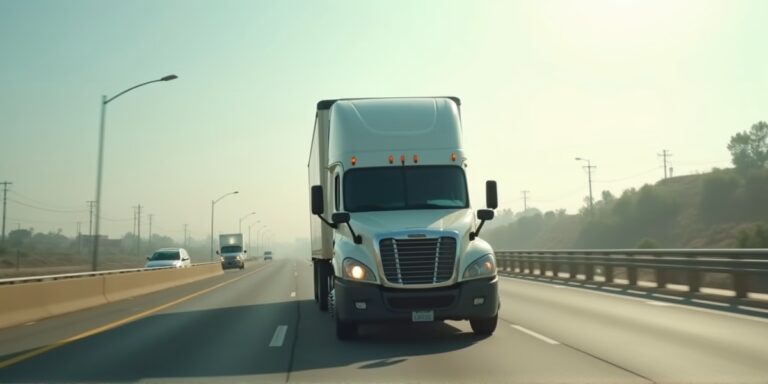
What Is Truck Driver Fatigue And How Does It Cause Accidents In San Diego?

Truck driver fatigue is a pervasive and dangerous problem on California roadways, and San Diego is no exception. It’s far more complex than simply being “tired.” It encompasses a range of impairments—physical, mental, and emotional—that dramatically reduce a driver’s ability to operate a commercial vehicle safely. Understanding the factors that contribute to fatigue and the legal recourse available after an accident is crucial for anyone injured by a drowsy trucker.
Federal regulations attempt to mitigate fatigue through strict Hours of Service (HOS) rules, but these are often violated. Even when drivers adhere to the rules, the cumulative effect of long hours, irregular schedules, and the pressures of the industry can lead to significant impairment. This is where the legal complexities arise, as proving fatigue often requires digging beyond the surface of a driver’s logbook.
I’ve spent over 13 years representing individuals injured in truck accidents throughout San Diego. Having been trained by a former insurance defense attorney, I possess intimate knowledge of how insurance companies evaluate, devalue, and deny claims involving fatigued drivers. They will aggressively seek to minimize their liability, often focusing on the driver’s actions rather than the systemic issues within the trucking company that contributed to the accident.
What factors contribute to truck driver fatigue?

Several factors can contribute to truck driver fatigue, often working in combination. These include:
- Hours of Service Violations: Drivers exceeding the limits set by the Federal Motor Carrier Safety Administration (FMCSA).
- Irregular Schedules: Constantly changing work patterns disrupt the body’s natural sleep-wake cycle.
- Sleep Disorders: Undiagnosed conditions like sleep apnea can severely impact a driver’s ability to stay alert.
- Pressure to Deliver: Companies prioritizing on-time delivery over driver safety.
- Poor Diet and Exercise: Unhealthy lifestyles exacerbate fatigue.
How can I prove a truck driver was fatigued at the time of the accident?
Proving fatigue isn’t always straightforward. While a driver’s logbook is a starting point, it’s often inaccurate. We often rely on other evidence, including:
- Electronic Logging Device (ELD) Data: ELDs record a driver’s hours of service electronically, providing a more accurate record than handwritten logs.
- Black Box Data: Many trucks have event data recorders (EDRs) that capture information about speed, braking, and other critical parameters.
- Witness Testimony: Statements from other drivers or bystanders who observed the driver’s behavior.
- Driver’s Medical Records: Evidence of sleep disorders or other conditions that could contribute to fatigue.
What legal recourse do I have if a fatigued truck driver caused my accident?
If a fatigued truck driver caused your accident, you may be entitled to compensation for your damages, including:
- Medical Expenses: Past and future costs of treatment, rehabilitation, and medication.
- Lost Wages: Compensation for income lost due to your injuries.
- Pain and Suffering: Damages for the physical and emotional trauma you’ve experienced.
- Property Damage: Costs to repair or replace your vehicle.
What role does the trucking company play in accidents caused by driver fatigue?
Trucking companies have a legal duty to ensure their drivers are fit for duty. This includes proper training, adequate rest periods, and monitoring for fatigue. If a company knowingly allows a fatigued driver to operate a vehicle, they can be held liable for the resulting damages under the doctrine of **vicarious liability** (respondeat superior), a concept detailed in Civ. Code § 2338. This means the company, not just the driver, can be held financially responsible.
Can I still recover damages if the driver was technically following the Hours of Service rules?
Yes. While adhering to HOS rules is important, it doesn’t automatically absolve a trucking company of responsibility. A driver can still be fatigued even within those limits due to factors like sleep disorders or irregular schedules. Furthermore, companies can be held liable for negligent hiring, training, or supervision, even if the driver’s logbook appears compliant.
What should I do if I suspect a truck driver was fatigued after an accident?
Document everything. Take photos of the accident scene, gather contact information from witnesses, and seek immediate medical attention. Crucially, do not speak to the insurance company without first consulting with an attorney. They will attempt to minimize their liability, and any statements you make can be used against you.
What is the statute of limitations for filing a truck accident claim in California?
California law provides a **two-year** window from the date of the truck accident to file a lawsuit. Because trucking companies often begin evidence destruction (like purging ELD data) as soon as the law allows, immediate filing is critical to preserve the integrity of the claim, as outlined in CCP § 335.1.
What if the accident involved a government vehicle or a dangerous road condition?
If a truck accident involves a government-owned vehicle or a dangerous road condition maintained by a public entity, a formal administrative claim **MUST** be presented within **6 months** (180 days). Failure to meet this strict deadline under the Government Tort Claims Act can result in the permanent loss of your right to recover, as specified in Gov. Code § 911.2.
What if the driver was classified as an independent contractor?
California’s ‘ABC test’ determines if a delivery driver (Amazon/FedEx) is an employee or contractor. Even if labeled a ‘contractor,’ a company may be liable if they exercise control over the driver’s work, a key factor in San Diego delivery truck litigation, as defined by Labor Code § 2775.
What if the insurance company asks me to give a recorded statement?
Politely decline. Insurance companies record statements to identify weaknesses in your claim and minimize their payout. They are skilled at asking leading questions and twisting your words. An attorney can advise you on whether a recorded statement is necessary and prepare you accordingly.
What if I have medical liens against my settlement?
Medical liens are claims against your settlement to cover unpaid medical bills. We can negotiate with healthcare providers to reduce the amount of the lien or explore other options to protect your recovery. Understanding the difference between ER billing and formal medical liens is crucial for maximizing your net settlement.