What Should Pedestrians Do After Being Hit By A Truck In San Diego?

As a personal injury attorney practicing in San Diego for over 13 years, I’ve seen firsthand the devastating consequences of truck accidents. I understand the immediate shock and confusion, and the overwhelming burden of medical expenses and lost wages. What many people don’t realize is that trucking companies and their insurance providers have sophisticated strategies to minimize payouts and often attempt to undervalue or deny legitimate claims. I was trained by a former insurance defense attorney, giving me intimate knowledge of how insurance companies evaluate, devalue, and deny claims.
When a pedestrian is hit by a truck, it’s crucial to take specific steps to protect your legal rights. These actions can significantly impact your ability to recover fair compensation for your injuries, pain, and suffering. The first priority is always medical attention, but immediately following that, understanding your legal options is paramount. Don’t give a recorded statement to the insurance company without first consulting with an attorney.
What Immediate Steps Should I Take After Being Hit by a Truck?
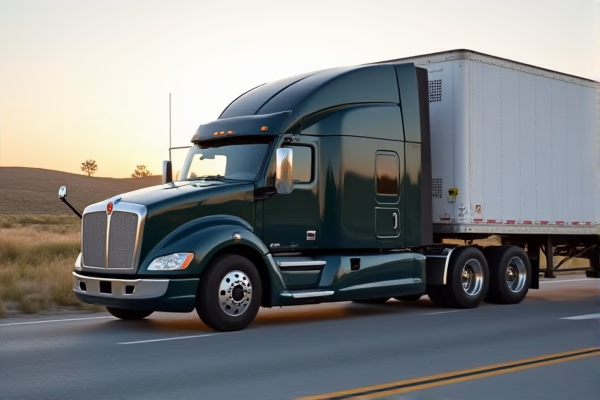
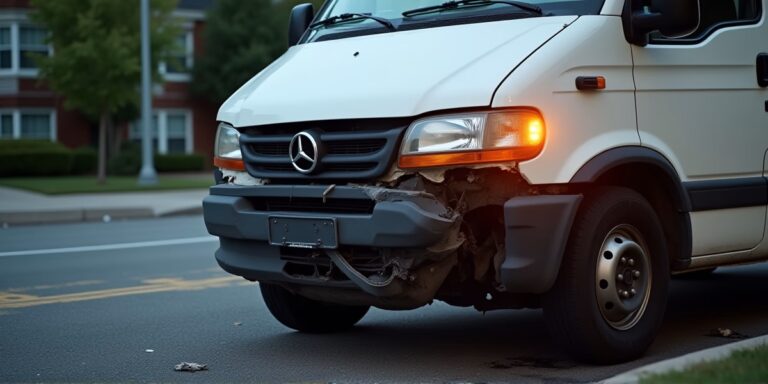
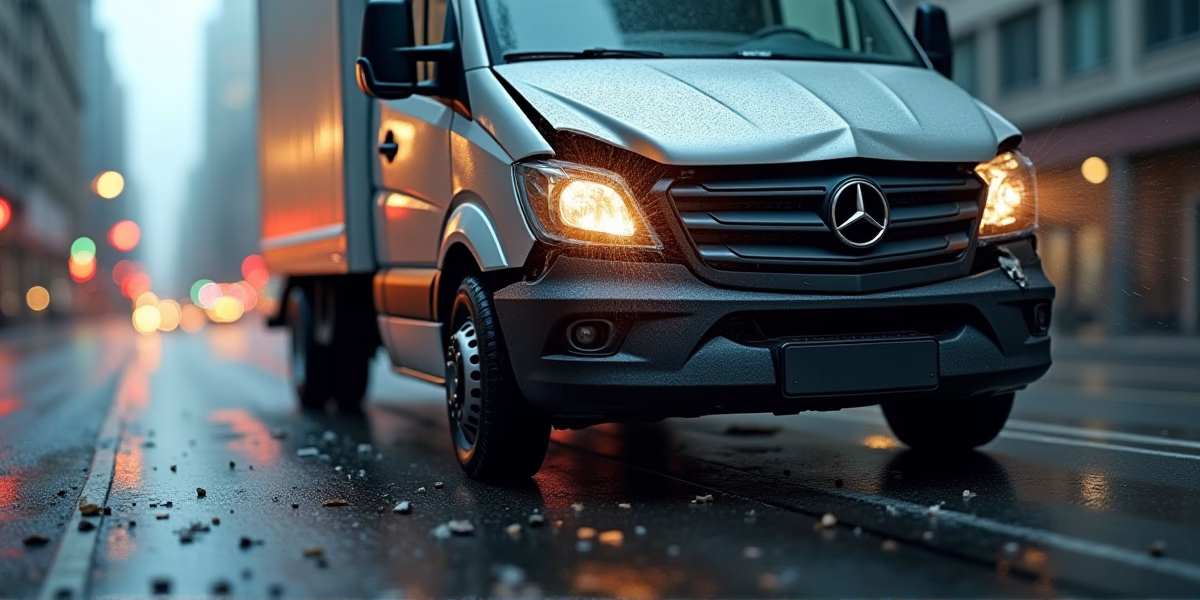
The moments following a truck accident are chaotic. However, certain actions are critical. First, if possible, **exchange information** with the truck driver, including their name, company, license plate number, and insurance details. Do not argue with the driver or admit fault, even if you believe you were partially responsible. Next, **document the scene** as thoroughly as possible. Take photos of the truck, any visible damage, the surrounding area, and your injuries. If there are witnesses, **obtain their contact information**. Finally, **seek immediate medical attention**, even if you don’t feel seriously injured. Some injuries, like traumatic brain injuries, may not be immediately apparent.
It’s also vital to **report the accident to the police**. A police report provides an objective account of the incident and can be invaluable evidence in your claim. Be sure to request a copy of the police report for your records. Remember, insurance companies will be looking for any reason to dispute your claim, so having a detailed record of the accident is essential.
Finally, **do not sign any documents or provide a recorded statement to the insurance company** without first consulting with an attorney. Insurance adjusters are trained to minimize payouts, and a recorded statement can be used against you later in the process.
How Long Do I Have to File a Lawsuit After a Truck Accident in California?
California law provides a **two-year** window from the date of the truck accident to file a lawsuit. Because trucking companies often begin evidence destruction (like purging ELD data) as soon as the law allows, immediate filing is critical to preserve the integrity of the claim. This timeframe is dictated by the statute of limitations, specifically CCP § 335.1. Missing this deadline can result in the permanent loss of your right to recover compensation.
It’s important to note that the statute of limitations can be complex, especially in cases involving government entities or multiple parties. Consulting with an attorney as soon as possible will ensure you meet all necessary deadlines and protect your legal rights.
Furthermore, even if you believe you know the trucking company’s insurance information, it’s crucial to verify coverage and policy limits promptly. Delays can hinder your ability to pursue a full recovery.
What Types of Damages Can I Recover After Being Hit by a Truck?
If you’ve been injured by a truck, you may be entitled to recover a wide range of damages, including **medical expenses** (past and future), **lost wages** (past and future), **pain and suffering**, **emotional distress**, and **property damage**. In some cases, you may also be able to recover **punitive damages** if the truck driver or company acted with gross negligence. The extent of your damages will depend on the severity of your injuries and the impact they have on your life.
Calculating the full value of your claim can be complex, especially when considering future medical expenses and lost income. An experienced attorney can help you gather the necessary evidence and present a compelling case to the insurance company.
It’s also important to consider non-economic damages, such as loss of enjoyment of life and permanent disfigurement. These damages are more difficult to quantify but are nonetheless important components of a fair settlement.
Will My Workers’ Compensation Cover My Injuries if I Was Hit While Working?
If you were hit by a truck while on the job, you may be entitled to workers’ compensation benefits. However, workers’ compensation is generally the **exclusive remedy** against your employer. Separate personal injury claims are typically limited to **negligent third parties** who are not the employer. This is governed by Labor Code § 3600. This means you can pursue a claim against the truck driver or trucking company, but not against your employer directly.
Navigating the interplay between workers’ compensation and a personal injury claim can be complex. It’s essential to consult with an attorney who understands both systems to ensure you receive the maximum compensation you are entitled to.
Furthermore, if your injuries prevent you from returning to work, you may be eligible for temporary disability benefits while you recover.
What if the Truck Driver Claims I Was Partially at Fault?
California’s ‘pure’ comparative fault system applies to trucking claims. Even if a truck driver argues you shared responsibility, you can still recover damages; however, your total compensation will be reduced by your percentage of fault. This is established by Civ. Code § 1714. For example, if you are found to be 20% at fault, your compensation will be reduced by 20%.
Insurance companies often attempt to assign blame to the pedestrian to minimize their payout. An experienced attorney can investigate the accident thoroughly and gather evidence to refute any claims of negligence.
It’s crucial to remember that even if you were partially at fault, you still have the right to seek compensation for your injuries. The key is to present a strong case that demonstrates the truck driver’s negligence was the primary cause of the accident.
What Should I Know About Dealing with the Insurance Company After a Truck Accident?
Dealing with the insurance company after a truck accident can be a frustrating and overwhelming process. Insurance adjusters are trained to minimize payouts and often employ tactics to undervalue or deny legitimate claims. It’s crucial to be prepared and protect your legal rights. **Do not give a recorded statement** without first consulting with an attorney. Insurance companies will use your words against you later in the process.
Be cautious about signing any documents or agreeing to a settlement offer without fully understanding your rights. Insurance companies may try to rush you into a settlement before you have fully assessed the extent of your injuries and damages. It’s essential to take your time and consult with an attorney before making any decisions.
Finally, remember that the insurance company is not on your side. They are looking out for their own interests, not yours. An experienced attorney can advocate on your behalf and ensure you receive the fair compensation you deserve.
What if the Trucking Company Claims the Driver Was an Independent Contractor?
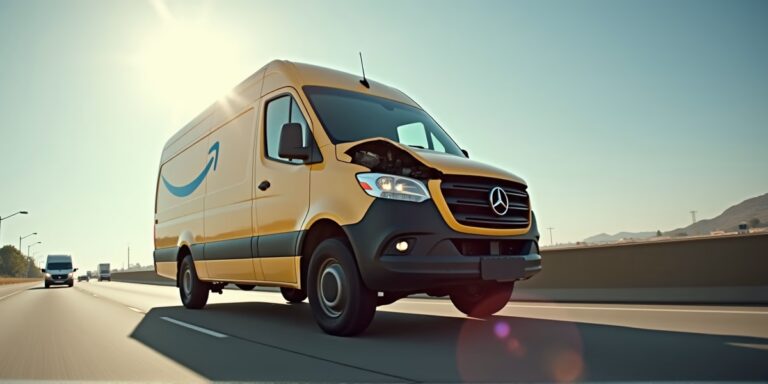
Determining whether a truck driver is an employee or an independent contractor can be complex. California’s ‘ABC test’ determines if a delivery driver (Amazon/FedEx) is an employee or contractor. Even if labeled a ‘contractor,’ a company may be liable if they exercise control over the driver’s work, a key factor in San Diego delivery truck litigation, as outlined in Labor Code § 2775. If the driver is found to be an employee, the trucking company is directly liable for their actions.
Insurance companies often argue that a driver is an independent contractor to avoid liability. An experienced attorney can investigate the driver’s employment relationship and gather evidence to demonstrate they were, in fact, an employee of the trucking company.
This investigation may involve reviewing contracts, employment records, and the level of control the company exercised over the driver’s work.
How Can an Attorney Help Me With My Truck Accident Claim?
An experienced attorney can provide invaluable assistance with your truck accident claim. We can investigate the accident thoroughly, gather evidence, negotiate with the insurance company, and represent you in court if necessary. We understand the complexities of trucking litigation and have a proven track record of success.
We can also help you calculate the full value of your claim, ensuring you receive the fair compensation you deserve for your injuries, pain, and suffering. Our goal is to protect your legal rights and maximize your recovery.
I have been practicing personal injury law in San Diego for over 13 years, and I am dedicated to helping my clients obtain the justice they deserve. I was trained by a former insurance defense attorney, giving me intimate knowledge of how insurance companies evaluate, devalue, and deny claims.
What if the Accident Involved a Government Vehicle or Road Hazard?
If a truck accident involves a government-owned vehicle or a dangerous road condition maintained by a public entity, a formal administrative claim **MUST** be presented within **6 months** (180 days). Failure to meet this strict deadline under the Government Tort Claims Act can result in the permanent loss of your right to recover, as stipulated by Gov. Code § 911.2. This claim process is significantly different from a standard personal injury claim.
It’s crucial to consult with an attorney immediately if your accident involved a government entity to ensure you meet all necessary deadlines and properly file your claim.
The administrative claim process requires specific documentation and a detailed account of the accident. An attorney can help you prepare and submit a comprehensive claim that maximizes your chances of recovery.
What Role Does Evidence Preservation Play in My Truck Accident Case?
Evidence preservation is critical in any truck accident case, but especially in cases involving commercial vehicles. Trucking companies often have a legal obligation to preserve evidence related to the accident, such as maintenance records, driver logs, and ELD data. However, they may attempt to destroy or alter evidence to minimize their liability.
An attorney can send a **spoliation letter** to the trucking company, demanding they preserve all relevant evidence. This letter serves as a legal notice and can be used against them if they fail to comply. The timeline for data overwrite windows is often short, making prompt action essential.
Gathering and preserving evidence, such as dashcam footage, police reports, and witness statements, is crucial to building a strong case. An experienced attorney can help you secure this evidence and protect your legal rights.
What if the Truck Driver Was Speeding?
In California, commercial trucks (including semi-tractors with three or more axles) are strictly prohibited from exceeding **55 miles per hour** on any highway. In San Diego freeway crashes, proving a violation of this speed limit is a primary tool for establishing statutory negligence, as defined in CVC § 22406. Speeding can significantly increase the severity of an accident and is often a key factor in determining liability.
An attorney can investigate the accident and gather evidence to prove the truck driver was speeding, such as ELD data, witness statements, and accident reconstruction reports.
Proving a violation of the speed limit can strengthen your case and increase your chances of recovering fair compensation.