Can Event Data Recorder Information Be Used In Court

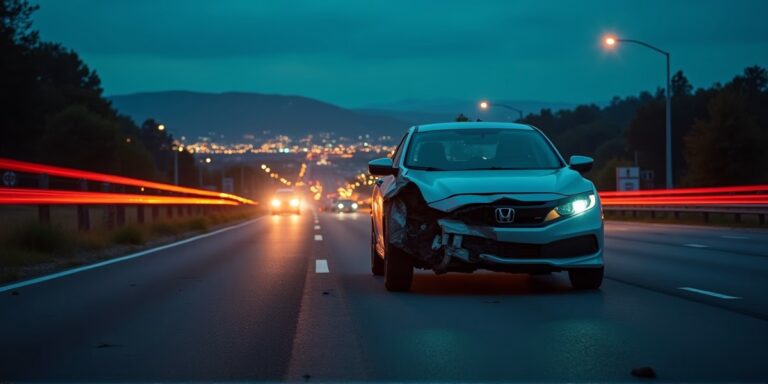
Initially, the insurance company tried to minimize the collision’s force, claiming Deandre exaggerated his injuries. However, we obtained the event data recorder (EDR) information from Deandre’s vehicle. This ‘black box’ showed the driver’s sudden braking and the impact speed confirmed Deandre’s account of the accident. The data definitively proved the force of the collision and corroborated his timeline, ultimately leading to a settlement exceeding $173,248.
Event data recorders, often called black boxes, are becoming increasingly common in modern vehicles. While they don’t record video or audio, they capture a wealth of information about a vehicle’s operation in the seconds leading up to, during, and after a collision. This data can be invaluable in reconstructing an accident and establishing liability.
As a personal injury attorney practicing in San Diego for over 13 years—trained by former insurance defense attorneys—I’ve seen firsthand how insurance companies evaluate, devalue, and deny claims. They’ll often try to paint a picture that benefits their client, even if it means downplaying the severity of the accident. Knowing how to access and interpret EDR data is crucial in leveling the playing field and securing fair compensation for my clients.
Can data from an event data recorder be used in court?
Yes, EDR data is frequently admissible as evidence in court, both in civil and criminal cases. It is considered ‘business records’ evidence under California law, which means it can be introduced if certain requirements are met, such as establishing the recorder’s reliability and proper chain of custody. The judge determines whether the data is admissible based on these factors. Critically, defense counsel will often attempt to poke holes in the chain of custody or reliability of the data so careful preparation is crucial.
However, it’s not always a slam dunk. The insurance company can, and often will, challenge the admissibility of the EDR data, arguing issues with its accuracy or relevance. It’s vital to have an expert familiar with EDR technology analyze the data and present a clear, understandable interpretation to the court. Without a proper expert, the data could be misinterpreted or dismissed altogether.
Furthermore, the data may not tell the whole story. It only captures information from the vehicle’s sensors, and doesn’t account for external factors such as road conditions, visibility, or the behavior of other drivers.
What specific types of information are recorded by event data recorders?
EDRs record a surprisingly wide range of data points. These typically include vehicle speed, braking activity, throttle position, steering angle, seatbelt usage, airbag deployment, and the time leading up to the impact. Newer vehicles may also record data about the engine’s RPM, antilock braking system (ABS) activity, and even electronic stability control. Some also record GPS location, providing a precise picture of where the accident occurred.
This information can be incredibly helpful in determining the cause of the accident. For example, if the EDR shows the driver slammed on the brakes right before the impact, it suggests they were trying to avoid the collision. Conversely, if the EDR shows no braking activity, it could indicate driver inattention or impairment.
It’s important to remember that EDR data isn’t always complete or accurate. The data is only as good as the sensors in the vehicle, and sensors can malfunction or be affected by external factors. A thorough analysis by a qualified expert is crucial to ensure the data is reliable.
How do I obtain event data recorder information after an accident in San Diego?
Obtaining EDR data can be complex. It generally requires a formal request to the vehicle manufacturer or the insurance company. You’ll typically need a subpoena or court order to compel them to release the information. This is where having an experienced attorney is invaluable. We understand the legal procedures involved and can navigate the process efficiently.
The insurance company may resist handing over the data, particularly if it’s unfavorable to their client. They may claim it’s proprietary information or that it’s not relevant to the case. However, with a properly drafted subpoena and a solid legal argument, we can often overcome these objections.
We also have relationships with accident reconstruction experts who can help analyze the data and present it in a clear, compelling manner to the court. This expertise is essential for maximizing your chances of a successful outcome.
What if the other driver refuses to cooperate with accessing the EDR data?
If the other driver refuses to cooperate, it doesn’t necessarily mean you’re out of luck. You can file a motion with the court to compel them to produce the data. The judge can then issue an order requiring them to release it. However, be aware that this process can be time-consuming and expensive.
In some cases, it may be necessary to hire a forensic expert to physically extract the data from the vehicle. This can be a more involved and costly process, but it may be the only way to obtain the information you need. A judge will evaluate the necessity of this step based on the facts of your case.
It’s also important to remember that refusing to cooperate with discovery can have serious consequences for the other driver. The judge could sanction them, which means they could be fined or even held in contempt of court.
Can EDR data be used against me if I was at fault in an accident?
Yes, EDR data can be used against you if you were at fault in the accident. For example, if the EDR shows you were speeding or braking late, it could be used to establish negligence. It’s crucial to understand your rights and consult with an attorney as soon as possible after an accident, even if you believe you were at fault.
An attorney can help you understand the EDR data and develop a strategy to minimize its impact on your case. They can also negotiate with the insurance company on your behalf and protect your interests. Even if the data appears unfavorable, there may be mitigating factors that could reduce your liability.
For example, if the EDR shows you were speeding slightly, but the other driver ran a red light, you may still be able to recover damages. It’s important to have an experienced attorney who can thoroughly investigate the accident and present a compelling case on your behalf.
|
Attorney Advertising, Legal Disclosure & Authorship
ATTORNEY ADVERTISING.
This content is provided for general informational and educational purposes only and does not constitute legal advice.
Under the California Rules of Professional Conduct and applicable State Bar of California advertising regulations,
this material may be considered attorney advertising.
Viewing or reading this content does not create an attorney-client relationship.
Laws and procedures governing personal injury claims vary by jurisdiction and may change over time.
You should consult a qualified California personal injury attorney regarding your specific situation before taking any legal action.
Local Office:
Morse Injury Law2831 Camino del Rio S #109 San Diego, CA 92108 (619) 684-3092
Responsible Attorney:
Richard Morse, California Attorney (Bar No. 289241).
Morse Injury Law is a practice name and location used by Richard Peter Morse III, a California-licensed attorney.
About the Author & Legal Review Process
This article was prepared by the legal editorial team supporting Richard Peter Morse III,
with the goal of explaining California personal injury law and claims procedures in clear, accurate, and practical terms for injured individuals in San Diego and surrounding communities.
Legal Review:
This content was reviewed and approved by Richard Morse, a California-licensed attorney (Bar No. 289241),
who concentrates his practice on personal injury litigation and insurance claim disputes.
With more than 13 years of experience representing injury victims throughout California,
Mr. Morse focuses on serious personal injury matters including motor vehicle collisions, uninsured and underinsured motorist claims,
premises liability, catastrophic injury, and wrongful death.
His practice emphasizes claims evaluation, insurance carrier accountability, and litigation in California courts when fair resolution cannot be achieved.
|