Can I Sue My Trucking Company For A Mechanical Failure?

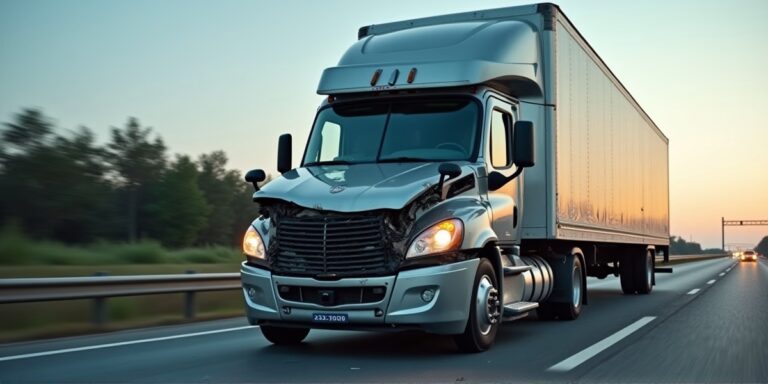
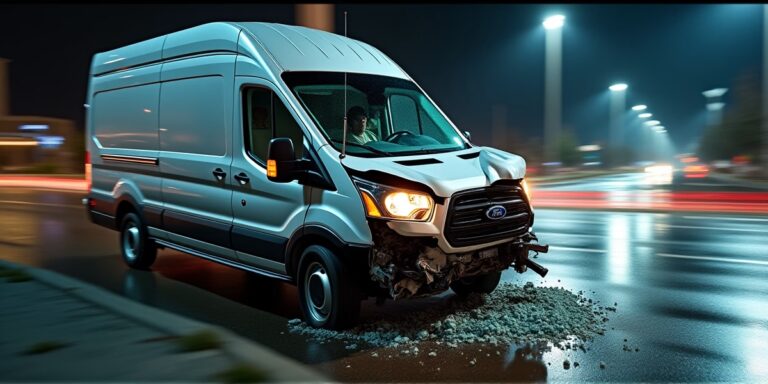
The question of whether you can sue a trucking company for a mechanical failure is a common one, and the answer is almost always yes, *but* it’s rarely straightforward. Trucking companies have a legal duty to ensure their vehicles are properly maintained and safe for operation. This isn’t just about routine inspections; it’s about a comprehensive safety program designed to prevent accidents. When a mechanical failure causes an accident, it often points to negligence in that duty.
Establishing that negligence requires proving the trucking company knew, or *should have known*, about the defect. This can involve demonstrating a pattern of inadequate maintenance, ignored warning signs, or a failure to follow federal safety regulations. It’s not enough to simply show the brakes failed; we need to uncover evidence of systemic issues that contributed to the failure. This often requires a thorough investigation, including a review of maintenance records, driver logs, and potentially, the truck’s event data recorder (EDR).
As a personal injury attorney with over 13 years of experience practicing in San Diego, I’ve seen firsthand how insurance companies attempt to deflect blame in these cases. I was trained by a former insurance defense attorney, giving me intimate knowledge of how insurance companies evaluate, devalue, and deny claims. They’ll often argue the failure was an “act of God,” or that the driver couldn’t have reasonably prevented it. That’s why having an attorney who understands these tactics is crucial.
What evidence is needed to prove a trucking company was negligent in maintaining their vehicle?
Gathering sufficient evidence is paramount in these cases. We start by obtaining the truck’s complete maintenance history, including all inspection reports, repair orders, and any documentation related to previous mechanical issues. Driver logs are also critical, as they can reveal if the driver reported any problems with the vehicle. The police report, witness statements, and photos of the accident scene are all valuable pieces of the puzzle.
However, the most compelling evidence often comes from the truck’s EDR, often called a “black box.” This device records critical data about the vehicle’s operation, including braking activity, speed, and any fault codes that were triggered before the accident. Analyzing this data can definitively prove a mechanical failure occurred and whether the company was aware of it. Expert testimony from a qualified mechanic is also often necessary to explain the technical aspects of the failure to a jury.
Can I sue if the truck was owner-operated?
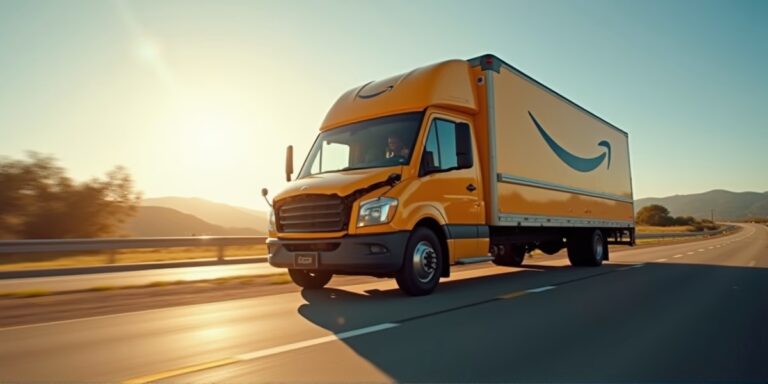
This is a more complex scenario. If the truck is owned and operated by an independent contractor, determining liability can be tricky. The key is to establish the level of control the trucking company exerted over the driver. If the company dictated the driver’s schedule, routes, and maintenance procedures, they may be considered the employer for liability purposes. California’s ‘ABC test’ determines if a delivery driver (Amazon/FedEx) is an employee or contractor. Even if labeled a ‘contractor,’ a company may be liable if they exercise control over the driver’s work, a key factor in San Diego delivery truck litigation.
We’ll need to carefully examine the contract between the driver and the company, as well as the company’s policies and procedures, to determine if they exercised sufficient control to be held liable. This often involves depositions of company representatives and the driver themselves.
What if the truck was recently inspected and passed?
A recent inspection doesn’t automatically absolve the trucking company of responsibility. Inspections are only a snapshot in time. A mechanical failure could develop shortly after an inspection, especially if the company was cutting corners on maintenance. Furthermore, the quality of the inspection itself is often a factor. Was the inspection thorough? Was the inspector properly trained? We’ll investigate whether the inspection was conducted in accordance with federal regulations and whether any red flags were overlooked.
What role do federal regulations play in these cases?
Federal regulations, outlined in 49 CFR § 395, govern nearly every aspect of trucking operations, from driver hours of service to vehicle maintenance. These regulations are designed to ensure the safety of all road users. Violations of these regulations can be strong evidence of negligence. For example, if the driver was operating the truck in violation of hours of service rules, it could indicate fatigue was a contributing factor to the accident. Similarly, if the company failed to properly maintain the truck’s brakes, it could be a direct violation of federal safety standards.
What is the statute of limitations for filing a lawsuit against a trucking company in California?
In California, you have a limited time to file a lawsuit after a truck accident. CCP § 335.1 provides a **two-year** window from the date of the truck accident to file a lawsuit. Because trucking companies often begin evidence destruction (like purging ELD data) as soon as the law allows, immediate filing is critical to preserve the integrity of the claim.
Don’t delay in seeking legal counsel. The sooner you contact an attorney, the sooner we can begin investigating your case and gathering the evidence needed to protect your rights.
What should I do if an insurance adjuster asks me to give a recorded statement?
Politely decline. Insurance adjusters are trained to minimize payouts, and a recorded statement can be used against you later in the claims process. They will likely ask leading questions designed to elicit information that weakens your case. It’s best to let an attorney handle all communication with the insurance company.
What happens if I have medical liens after my accident?
Medical liens are claims against your settlement to cover the costs of your medical treatment. It’s common for hospitals and doctors to file liens after a truck accident. We can negotiate with the lienholders to reduce the amount owed and ensure you receive the maximum possible compensation. ER billing vs. medical liens can be a complex issue, and it’s important to understand your rights.
What if the accident involved a government vehicle or roadway?
If a truck accident involves a government-owned vehicle or a dangerous road condition maintained by a public entity, a formal administrative claim **MUST** be presented within **6 months** (180 days). Gov. Code § 911.2 Failure to meet this strict deadline under the Government Tort Claims Act can result in the permanent loss of your right to recover.
What is a policy limits tender and should I accept it?
A policy limits tender is an offer from the insurance company to settle your claim for the maximum amount of their policy. Accepting a policy limits tender releases the insurance company from any further liability. Before accepting any settlement offer, it’s crucial to understand the full extent of your damages and whether the offer adequately compensates you for your injuries, lost wages, and other expenses. We can advise you on whether a policy limits tender is fair and reasonable.
How does comparative fault affect my claim?
California’s ‘pure’ comparative fault system applies to trucking claims. Civ. Code § 1714 Even if a truck driver argues you shared responsibility, you can still recover damages; however, your total compensation will be reduced by your percentage of fault.