Can Poor Lighting Cause Liability

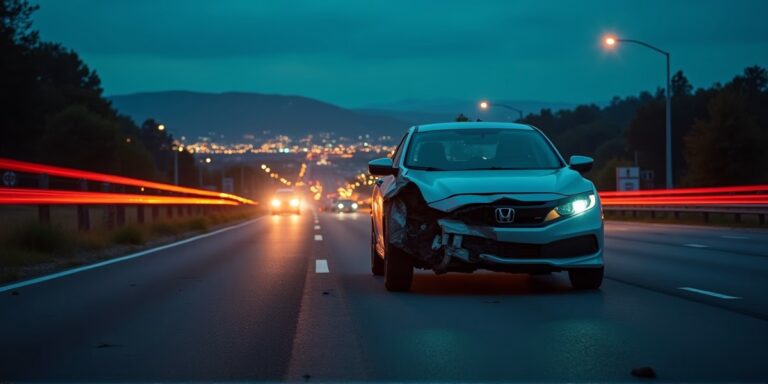
This is a common scenario in San Diego, and the question of whether insufficient lighting can lead to liability is surprisingly complex. While poor lighting doesn’t automatically mean someone is at fault, it can absolutely be a critical factor in establishing negligence. In California, property owners have a duty to maintain their premises in a reasonably safe condition for those who enter it, and that includes providing adequate illumination.
What constitutes “adequate” depends on the specific circumstances, including the location, time of day, and foreseeable risks. A dimly lit parking lot in a high-crime area, for example, presents a different level of risk than a well-maintained walkway with a few burnt-out bulbs. If a property owner knows or should have known about a lighting hazard, and failed to take reasonable steps to correct it, they could be held liable for injuries sustained as a result.
As a personal injury attorney with over 13 years of experience practicing in San Diego, I’ve seen firsthand how insurance companies attempt to minimize the impact of lighting deficiencies. They’ll often argue that the driver should have been more cautious, or that the accident would have happened regardless. However, I’ve been trained by former insurance defense attorneys and understand their tactics intimately, knowing exactly how they evaluate, devalue, and deny claims. Proving negligence in these cases requires meticulous investigation, including documenting the lighting conditions, obtaining witness statements, and potentially hiring experts to assess the adequacy of the illumination.
How Can I Prove That Poor Lighting Caused My Accident?
Establishing a direct link between poor lighting and your accident is the key. This isn’t always straightforward, but several pieces of evidence can strengthen your claim. Start by taking detailed photographs and videos of the lighting conditions at the scene immediately after the accident, if possible. Note any burned-out bulbs, flickering lights, or obstructions blocking the illumination. Also, document any security cameras that may have captured the incident, as these can provide crucial visual evidence.
Gather statements from witnesses who can corroborate your account of the lighting conditions. Were they also struck by the lack of visibility? Did they observe any other factors that contributed to the accident? Finally, consider obtaining a report from a lighting expert who can assess whether the lighting met industry standards and local regulations. These professionals can provide an objective opinion on the adequacy of the illumination and its potential role in the accident.
What Legal Theories Can Be Used to Hold a Property Owner Liable for Poor Lighting?
Several legal theories can be used to pursue a claim against a property owner for injuries caused by poor lighting. The most common is negligence. To prove negligence, you must demonstrate that the property owner had a duty of care, breached that duty, and that the breach directly caused your injuries. Another potential theory is premises liability, which holds property owners responsible for hazardous conditions on their property. Regardless of the specific theory, you’ll need to provide evidence to support your claim, including documentation of the lighting conditions, witness statements, and expert testimony.
In California, under CCP § 335.1, you have a two-year window from the date of the accident to file a lawsuit for personal injury. If the claim is against a government entity (like a San Diego City vehicle), you MUST file a formal administrative claim within 6 months (180 days) under the Government Tort Claims Act.
What If the Property Owner Had Recently Been Notified About the Lighting Issue?
If the property owner had prior knowledge of the lighting issue and failed to address it, your claim becomes significantly stronger. This is because it demonstrates a willful disregard for the safety of others. Documentation of prior complaints, maintenance records, or security reports can be invaluable in proving this knowledge. Insurance companies will often try to downplay the significance of these prior notifications, arguing that they didn’t have sufficient time to correct the issue. However, a clear trail of communication can establish their negligence and increase the value of your claim.
What Damages Can I Recover If I Win My Case?
If you successfully prove that poor lighting caused your accident, you may be entitled to recover a range of damages, including medical expenses, lost wages, pain and suffering, and property damage. You may also be able to recover punitive damages if the property owner acted with gross negligence or malice. California follows a ‘pure’ comparative fault system. According to Civ. Code § 1714, a plaintiff can recover damages even if they are 99% at fault, but their total recovery will be reduced by their percentage of responsibility. Insurance adjusters aggressively use this to devalue claims in San Diego cases. The amount of damages you can recover will depend on the severity of your injuries, the extent of your losses, and the specific facts of your case.
What Should I Do After an Accident Caused by Poor Lighting?
If you’ve been injured in an accident caused by poor lighting, it’s crucial to take immediate action to protect your rights. Seek medical attention as soon as possible, even if you don’t feel seriously injured. Document the accident scene, including the lighting conditions and any potential hazards. Gather contact information from witnesses and obtain a copy of the police report. Most importantly, consult with an experienced personal injury attorney who can advise you on your legal options and help you navigate the claims process.
|
Attorney Advertising, Legal Disclosure & Authorship
ATTORNEY ADVERTISING.
This content is provided for general informational and educational purposes only and does not constitute legal advice.
Under the California Rules of Professional Conduct and applicable State Bar of California advertising regulations,
this material may be considered attorney advertising.
Viewing or reading this content does not create an attorney-client relationship.
Laws and procedures governing personal injury claims vary by jurisdiction and may change over time.
You should consult a qualified California personal injury attorney regarding your specific situation before taking any legal action.
Local Office:
Morse Injury Law2831 Camino del Rio S #109 San Diego, CA 92108 (619) 684-3092
Responsible Attorney:
Richard Morse, California Attorney (Bar No. 289241).
Morse Injury Law is a practice name and location used by Richard Peter Morse III, a California-licensed attorney.
About the Author & Legal Review Process
This article was prepared by the legal editorial team supporting Richard Peter Morse III,
with the goal of explaining California personal injury law and claims procedures in clear, accurate, and practical terms for injured individuals in San Diego and surrounding communities.
Legal Review:
This content was reviewed and approved by Richard Morse, a California-licensed attorney (Bar No. 289241),
who concentrates his practice on personal injury litigation and insurance claim disputes.
With more than 13 years of experience representing injury victims throughout California,
Mr. Morse focuses on serious personal injury matters including motor vehicle collisions, uninsured and underinsured motorist claims,
premises liability, catastrophic injury, and wrongful death.
His practice emphasizes claims evaluation, insurance carrier accountability, and litigation in California courts when fair resolution cannot be achieved.
|