Do Vehicle Black Boxes Record Crash Data

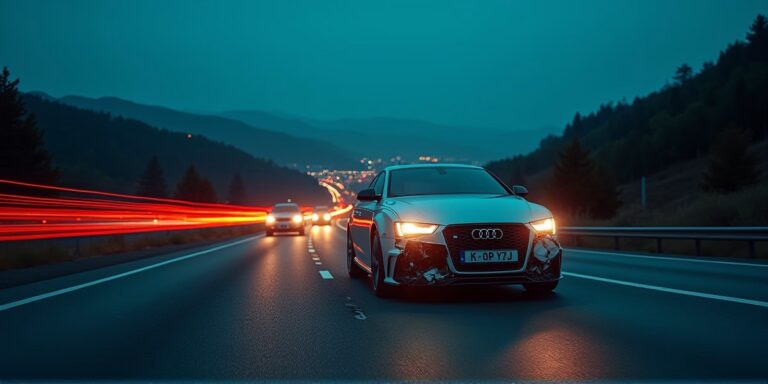
Vehicle black boxes, officially known as Event Data Recorders (EDRs), are becoming increasingly common in modern cars. They are designed to record critical data in the seconds leading up to, during, and after a collision. This data can be incredibly valuable in establishing fault and ensuring you receive the compensation you deserve after an accident. But understanding how these recorders function, what information they capture, and how to access this data is crucial. Many drivers aren’t aware these exist in their vehicles, let alone what they record, leaving them vulnerable to unfair insurance tactics.
The data captured by an EDR typically includes information like vehicle speed, braking activity, steering angle, seatbelt use, airbag deployment, and the time of the impact. More sophisticated systems can even record information about throttle position and the vehicle’s stability control. Importantly, this isn’t just a snapshot – it’s a continuous recording of events, offering a detailed picture of what happened. However, it’s critical to know that not all vehicles have EDRs, and the amount of data stored varies significantly by make and model. Moreover, accessing this data isn’t always straightforward, and often requires specialized equipment and expertise.
I’ve spent over 13 years practicing personal injury law in San Diego, and I’ve seen firsthand how insurance companies attempt to undervalue and deny legitimate claims. Having been trained by a former insurance defense attorney, I possess intimate knowledge of how they evaluate accident data and build their defense. This background allows me to anticipate their strategies and effectively advocate for my clients. I understand that navigating the complexities of a car accident claim can be overwhelming, and securing the information necessary to prove your case is often the first, most critical step.
Can I force the insurance company to release the black box data?
Generally, yes, you can compel the insurance company to release the data from the vehicle’s EDR. However, it’s not always automatic. Your attorney will likely need to send a formal demand letter requesting the data, and may need to file a motion with the court to compel its production if the insurance company resists. It’s important to remember the insurance company has a duty to investigate claims thoroughly, and that includes obtaining and reviewing all available evidence, including EDR data. Failing to do so could be grounds for a ‘bad faith’ claim. CACI No. 2331 details this implied duty.
The process can become complicated if the vehicle owner refuses to cooperate, or if the EDR data is considered privileged. In those situations, your attorney may need to explore other avenues to obtain the information, such as pursuing discovery requests against the vehicle manufacturer.
What if my car doesn’t have a black box?
Even if your vehicle lacks a traditional EDR, there are other sources of data that can be used to reconstruct the accident. This includes data from the other vehicle’s EDR, witness statements, police reports, and even smartphone data. In some cases, the other driver’s vehicle may have a more sophisticated EDR that captures a wider range of information. Furthermore, modern smartphones often contain accelerometer data that can be used to determine the force of the impact and the vehicle’s speed.
Dashcam footage is also incredibly valuable. If you have a dashcam, or if the other driver did, it can provide a clear visual record of the events leading up to the collision. Preservation of this evidence is critical, so it’s important to act quickly to secure any available footage.
How does the insurance company interpret black box data?
Insurance adjusters are trained to interpret EDR data in a way that minimizes their liability. They may focus on certain data points, such as vehicle speed, to suggest you were driving recklessly. They’ll attempt to poke holes in your version of events based on the data. That’s why it’s crucial to have an attorney who understands how EDR data is collected, analyzed, and presented. They can challenge the insurance company’s interpretation of the data and present a compelling case on your behalf. Remember, insurance adjusters aggressively use all available information to devalue claims in San Diego cases. Civ. Code § 1714 outlines how comparative fault can be used against you.
We routinely work with accident reconstruction experts to analyze EDR data and provide independent opinions. These experts can help us understand the limitations of the data and identify any potential inaccuracies.
Are there limitations to relying on black box data?
While EDR data can be incredibly valuable, it’s not always foolproof. The data can be incomplete or inaccurate, especially if the EDR was damaged in the collision. Additionally, the data only records information about the vehicle’s mechanical systems – it doesn’t capture information about driver behavior or external factors like weather conditions. It is essential to consider the broader context of the accident when evaluating EDR data, and to rely on multiple sources of evidence.
Furthermore, EDRs are not standardized, and the data format can vary significantly by manufacturer. This can make it difficult to compare data from different vehicles. It’s vital to have an attorney who is familiar with the different types of EDRs and the specific data they capture.
What should I do if I’ve been involved in an accident where a black box may exist?
If you’ve been involved in a car accident, the first step is to seek medical attention. Then, contact an experienced personal injury attorney. Your attorney can investigate the accident, gather evidence, and determine whether an EDR exists in either vehicle. They can also handle the process of obtaining and analyzing the data, and ensure that your rights are protected. Protecting your legal rights starts with securing all available evidence, including the potential data from a vehicle’s black box.
|
Attorney Advertising, Legal Disclosure & Authorship
ATTORNEY ADVERTISING.
This content is provided for general informational and educational purposes only and does not constitute legal advice.
Under the California Rules of Professional Conduct and applicable State Bar of California advertising regulations,
this material may be considered attorney advertising.
Viewing or reading this content does not create an attorney-client relationship.
Laws and procedures governing personal injury claims vary by jurisdiction and may change over time.
You should consult a qualified California personal injury attorney regarding your specific situation before taking any legal action.
Local Office:
Morse Injury Law2831 Camino del Rio S #109 San Diego, CA 92108 (619) 684-3092
Responsible Attorney:
Richard Morse, California Attorney (Bar No. 289241).
Morse Injury Law is a practice name and location used by Richard Peter Morse III, a California-licensed attorney.
About the Author & Legal Review Process
This article was prepared by the legal editorial team supporting Richard Peter Morse III,
with the goal of explaining California personal injury law and claims procedures in clear, accurate, and practical terms for injured individuals in San Diego and surrounding communities.
Legal Review:
This content was reviewed and approved by Richard Morse, a California-licensed attorney (Bar No. 289241),
who concentrates his practice on personal injury litigation and insurance claim disputes.
With more than 13 years of experience representing injury victims throughout California,
Mr. Morse focuses on serious personal injury matters including motor vehicle collisions, uninsured and underinsured motorist claims,
premises liability, catastrophic injury, and wrongful death.
His practice emphasizes claims evaluation, insurance carrier accountability, and litigation in California courts when fair resolution cannot be achieved.
|