How Do I Protect My Cdl License After A San Diego Truck Crash?

As a personal injury attorney in San Diego with over 13 years of experience representing truck drivers, I understand the unique challenges you face after an accident. I’ve seen firsthand how insurance companies exploit these situations, not only to minimize payouts for your injuries but also to trigger CDL suspensions or revocations. They know a driver without a license has significantly less negotiating power. I was trained by a former insurance defense attorney, giving me intimate knowledge of how insurance companies evaluate, devalue, and deny claims.
Protecting your CDL requires immediate and strategic action. It’s not enough to simply file a claim for your injuries; you must proactively address the potential impact on your driving privileges. This involves understanding the various reporting requirements, potential investigations, and defenses available to you. The complexities of federal and state regulations can be overwhelming, which is why seeking experienced legal counsel is crucial.
What triggers a CDL suspension or revocation after a San Diego truck accident?
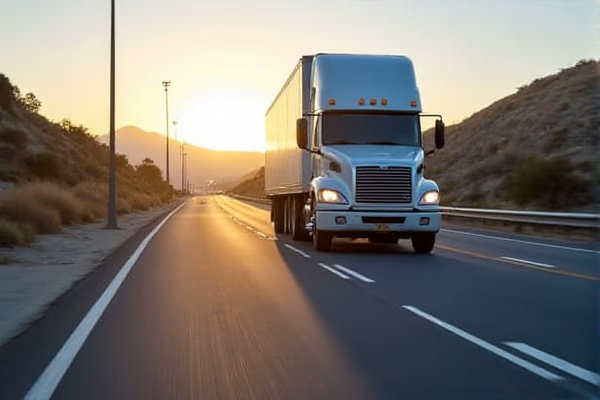
Several factors can lead to CDL repercussions following an accident. The most common include a conviction for a moving violation (especially a disqualifying offense like DUI or reckless driving), a positive drug test, or a determination of fault in an accident resulting in serious bodily injury or property damage exceeding a certain threshold. Additionally, failing to report the accident to the FMCSA (Federal Motor Carrier Safety Administration) within the required timeframe can also jeopardize your license.
California law provides a **two-year** window from the date of the truck accident to file a lawsuit. Because trucking companies often begin evidence destruction (like purging ELD data) as soon as the law allows, immediate filing is critical to preserve the integrity of the claim.
Can I still fight a CDL suspension even if I was found at fault in the accident?
Yes, potentially. A finding of fault in a civil lawsuit doesn’t automatically equate to a CDL suspension. The FMCSA and the California DMV have their own standards for determining driver responsibility. It’s possible to challenge the fault determination, present mitigating circumstances, or demonstrate that the accident was unavoidable. For example, if the other driver was clearly negligent and you were unable to avoid the collision despite reasonable efforts, you may be able to defend against a suspension.
Under the doctrine of **vicarious liability** (respondeat superior), a principal is responsible to third persons for the negligence of their agent in the transaction of business. This holds the trucking company legally liable for the wrongful acts of its drivers committed within the scope of their employment.
What role does the police report play in a CDL investigation?
The police report is a critical piece of evidence, but it’s not the final word. While the investigating officer’s opinion carries weight, it’s often based on limited information and a preliminary assessment of the scene. Insurance companies will heavily rely on the police report to establish fault, but it’s essential to remember that the report is often incomplete or inaccurate. We frequently conduct independent investigations, gather witness statements, and analyze all available evidence to challenge the findings in the police report.
What if the accident involved a government vehicle or roadway hazard?
If a truck accident involves a government-owned vehicle or a dangerous road condition maintained by a public entity, a formal administrative claim **MUST** be presented within **6 months** (180 days). Failure to meet this strict deadline under the Government Tort Claims Act can result in the permanent loss of your right to recover.
How can I protect my CDL if I receive a notice of a pre-employment screening test (POST)?
A POST is a review of your driving record and history. It’s a standard procedure for many trucking companies, but it can also be triggered by an accident. If you receive a notice, it’s crucial to review it carefully and ensure its accuracy. Any errors or omissions should be immediately challenged. We can assist you in gathering supporting documentation, such as your driving school records and any certifications you’ve obtained.
What if I was injured while working as a contractor for a delivery company?
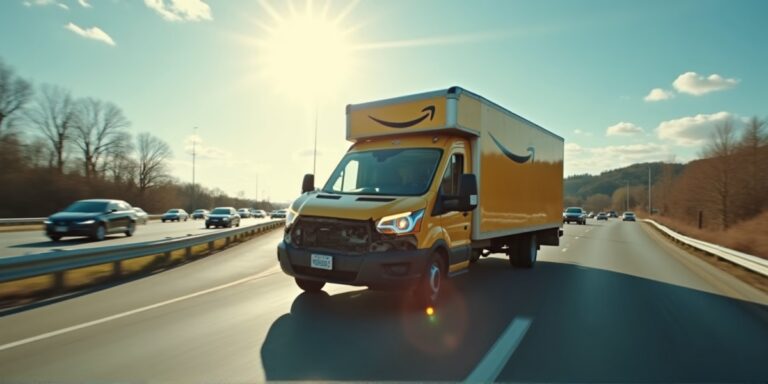
California’s ‘ABC test’ determines if a delivery driver (Amazon/FedEx) is an employee or contractor. Even if labeled a ‘contractor,’ a company may be liable if they exercise control over the driver’s work, a key factor in San Diego delivery truck litigation.
What should I do immediately after a truck accident to protect my CDL?
First, prioritize your safety and seek medical attention. Then, document everything. Take photos of the scene, the damage to all vehicles involved, and any visible injuries. Obtain the contact information of all parties involved, including witnesses. Crucially, **do not make any statements to the insurance company without first consulting with an attorney.** They are looking for information to minimize their liability, and anything you say can be used against you. Finally, immediately contact an experienced San Diego truck accident attorney to protect your rights and your CDL.
What are the consequences of a DUI conviction for a CDL holder?
In California, the legal BAC limit for commercial drivers is **0.04 percent**. This stricter standard reflects the higher duty of care required of those operating heavy machinery on San Diego roads. A DUI conviction will result in an immediate CDL suspension, and potentially a permanent revocation. Even a single DUI can significantly impact your career prospects.
How can an attorney help me navigate the FMCSA regulations?
The FMCSA regulations are complex and constantly evolving. An attorney specializing in truck accident litigation can help you understand your rights and obligations, navigate the investigation process, and challenge any adverse actions taken against your CDL. We can also represent you in any administrative hearings or appeals. We have a deep understanding of how the FMCSA operates and can effectively advocate on your behalf.
What if the insurance company tries to record my statement?
Insurance companies often request recorded statements shortly after an accident. While you are not legally obligated to provide a statement, they will often pressure you into doing so. **Do not agree to a recorded statement without first consulting with an attorney.** Insurance adjusters are trained to ask leading questions and elicit information that can be used to devalue your claim. A recorded statement can be detrimental to your case, even if you believe you are being truthful.
What is the statute of limitations for filing a truck accident claim in California?
California law provides a **two-year** window from the date of the truck accident to file a lawsuit. Because trucking companies often begin evidence destruction (like purging ELD data) as soon as the law allows, immediate filing is critical to preserve the integrity of the claim.
What if I believe the trucking company was negligent in hiring or training the driver?
A trucking company is directly liable if it was negligent in hiring, supervising, or retaining an unfit driver. This is critical in cases where the driver has a history of FMCSA violations or lacked the proper CDL endorsements.