
How Long Does An Appeal Take?

The timeline for a truck accident appeal can vary significantly depending on the complexity of the case, the responsiveness of the insurance company, and whether litigation becomes necessary. Initially, you have a specific timeframe to file an appeal with the insurance carrier after a denial. This is typically 30 to 60 days from the date of the denial letter, but it’s crucial to confirm the exact deadline outlined in your policy. Failing to meet this deadline can jeopardize your ability to pursue your claim further.
Once the appeal is filed, the insurance company will conduct a further review. This often involves re-examining the police report, witness statements, medical records, and any other evidence submitted. The insurance adjuster may request additional information or documentation from you. This stage can take anywhere from 60 to 90 days, but it’s not uncommon for it to extend longer if the insurance company is stalling or requires extensive investigation.
I’ve been practicing personal injury law in San Diego for over 13 years, and I’ve seen firsthand how insurance companies operate. Trained by a former insurance defense attorney, I have intimate knowledge of how they evaluate, devalue, and deny claims. They often employ tactics to delay the process and wear down claimants. Understanding their strategies is critical to protecting your rights.
What happens if the insurance company upholds the denial after my appeal?
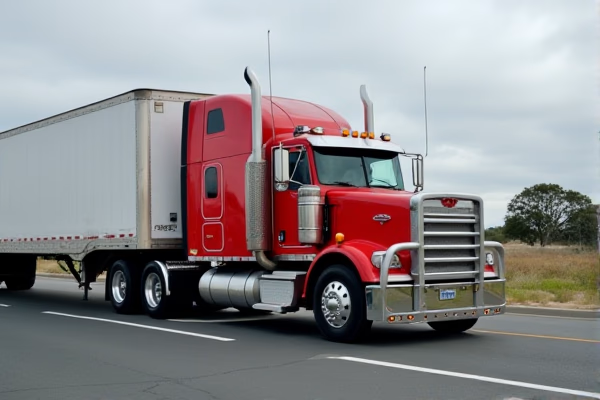
If the insurance company upholds the denial after your appeal, your next step is typically to file a lawsuit. This initiates the litigation process, which involves formal discovery, depositions, and potentially a trial. The timeline for litigation can be considerably longer, often taking 12 to 24 months or even longer to resolve, depending on the court’s schedule and the complexity of the case. It’s important to remember that filing a lawsuit doesn’t automatically guarantee a favorable outcome, but it does provide you with the legal tools to pursue your claim more aggressively.
During litigation, you’ll have the opportunity to gather additional evidence through depositions and interrogatories. Your attorney will also likely hire expert witnesses, such as accident reconstruction specialists and medical professionals, to support your case. The insurance company will likely fight the lawsuit vigorously, and it’s essential to have an experienced attorney who can effectively advocate for your rights.
Negotiations can continue throughout the litigation process, and many cases are settled before trial. However, if a settlement cannot be reached, the case will proceed to trial, where a judge or jury will decide the outcome. It’s crucial to be prepared for trial and to have a strong legal strategy in place.
How can I speed up the appeal process?
While you can’t completely control the timeline, there are steps you can take to expedite the appeal process. First, ensure your initial claim is thorough and well-documented. Include all relevant information, such as the police report, medical records, witness statements, and photos of the damage. Second, respond promptly to any requests for information from the insurance company. Delays in providing documentation can significantly slow down the process.
Third, consider working with an attorney who has experience handling truck accident claims. An attorney can navigate the complex legal procedures and effectively communicate with the insurance company on your behalf. They can also identify any potential weaknesses in your case and gather additional evidence to strengthen your claim. Finally, keep detailed records of all communication with the insurance company, including dates, times, and the names of the individuals you spoke with.
Proactive documentation and consistent follow-up are key. Insurance companies are more likely to take your claim seriously if they see that you are organized and determined to pursue your rights.
What if the insurance company is unresponsive during my appeal?
If the insurance company is unresponsive during your appeal, it’s crucial to document all attempts to contact them. Keep copies of all emails, letters, and phone calls. After a reasonable period of time, you may want to send a formal demand letter from your attorney, outlining your claim and the insurance company’s failure to respond. This letter can often prompt a response and demonstrate your seriousness about pursuing your claim.
If the insurance company continues to be unresponsive, your attorney may need to file a lawsuit to compel them to respond. This is known as a “bad faith” claim, and it can result in additional damages being awarded to you. It’s important to remember that insurance companies have a legal obligation to handle claims in good faith, and failing to do so can have serious consequences.
Don’t hesitate to seek legal counsel if you are experiencing difficulties with an unresponsive insurance company. An attorney can help you navigate the complex legal procedures and protect your rights.
What is the statute of limitations for filing a truck accident lawsuit in California?
In California, the statute of limitations for filing a personal injury lawsuit resulting from a truck accident is generally **two years** from the date of the accident. Because trucking companies often begin evidence destruction (like purging ELD data) as soon as the law allows, immediate filing is critical to preserve the integrity of the claim. CCP § 335.1. This means you have a limited amount of time to file a lawsuit, even if you are still undergoing treatment or negotiating with the insurance company.
It’s important to note that there are exceptions to the two-year statute of limitations, such as cases involving minors or individuals who are incapacitated. However, it’s always best to file a lawsuit as soon as possible to avoid the risk of missing the deadline. An attorney can advise you on the specific statute of limitations that applies to your case.
Waiting too long to file a lawsuit can result in your claim being permanently barred, even if you have a strong case. Don’t delay seeking legal counsel if you have been injured in a truck accident.
What should I do if the accident involved a government vehicle or roadway in San Diego?
If a truck accident involves a government-owned vehicle or a dangerous road condition maintained by a public entity, a formal administrative claim **MUST** be presented within **6 months** (180 days). Failure to meet this strict deadline under the Government Tort Claims Act can result in the permanent loss of your right to recover. Gov. Code § 911.2. This claim must be filed with the specific government agency responsible for the vehicle or roadway.
The administrative claim process can be complex and requires specific documentation and procedures. It’s highly recommended to consult with an attorney experienced in government liability claims to ensure your claim is properly filed and processed. The government agency will investigate the claim and may deny it, in which case you would need to file a lawsuit within a specific timeframe.
Navigating government claims requires specialized knowledge and attention to detail. Don’t attempt to handle this process on your own, as a mistake can jeopardize your ability to recover compensation.