What Is The Fmcsa Safety Rating System?

The Federal Motor Carrier Safety Administration (FMCSA) rating system is a complex but crucial element in determining the safety and accountability of commercial trucking companies. It’s designed to identify and monitor carriers who pose a significant risk to public safety. Understanding this system is vital for anyone injured in an accident involving a large truck, as it can directly impact the potential for recovery and the strength of a legal claim.
The FMCSA doesn’t simply assign a single “good” or “bad” rating. Instead, it utilizes a tiered system based on a carrier’s compliance with safety regulations. This compliance is measured through various factors, including roadside inspections, crash reports, driver qualifications, vehicle maintenance, and hours-of-service compliance. A carrier’s safety rating can significantly influence its ability to operate and can be a powerful tool in holding negligent companies accountable.
I’ve spent over 13 years practicing personal injury law in San Diego, and I’ve seen firsthand how insurance companies exploit the nuances of the FMCSA rating system to minimize payouts. Trained by a former insurance defense attorney, I have intimate knowledge of how these companies evaluate, devalue, and deny claims. They often focus on technicalities and attempt to portray a carrier as safer than it actually is. That’s why it’s essential to have an attorney who understands the intricacies of these regulations and can effectively challenge their tactics.
What are the different FMCSA safety ratings?
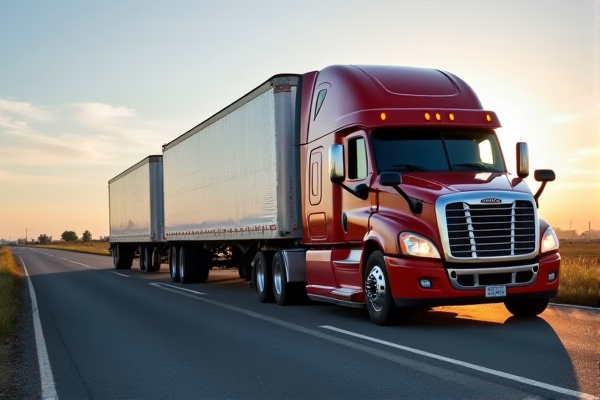
The FMCSA utilizes a tiered system, with carriers falling into one of several categories. The most common ratings you’ll encounter include: “Satisfactory,” “Conditional,” and “Unsatisfactory.” A “Satisfactory” rating indicates the carrier has a good safety record and generally complies with regulations. However, even a “Satisfactory” rating doesn’t guarantee a carrier is completely risk-free. “Conditional” means the carrier has some safety issues but hasn’t reached the level of “Unsatisfactory.” This often requires a corrective action plan. The most concerning rating is “Unsatisfactory,” which signifies significant safety violations and can lead to operational restrictions or even a shutdown of the carrier.
It’s important to note that the FMCSA also assigns a “Safety Measurement System” (SMS) score based on data analysis. This score is a more granular assessment of a carrier’s safety performance and is used to prioritize inspections and enforcement efforts. While not a formal rating, the SMS score can provide valuable insight into a carrier’s overall safety profile.
How can I find a trucking company’s FMCSA safety rating?
The FMCSA provides a publicly accessible database called the Safety and Fitness Electronic Records (SAFER) website. You can search for a carrier’s information using their DOT number or company name. The SAFER website provides details on their safety rating, SMS scores, inspection history, crash reports, and other relevant data. This information is crucial for evaluating the carrier’s safety record and potential liability in an accident. Accessing this data early in the process is a critical step in building a strong case.
What does a “Conditional” FMCSA rating mean for my claim?
A “Conditional” rating doesn’t automatically disqualify a claim, but it does raise red flags. It indicates the carrier has safety issues that require attention. Insurance companies will often attempt to downplay the significance of a “Conditional” rating, arguing that the carrier is actively working to address the problems. However, an experienced attorney can investigate the specific violations that led to the rating and demonstrate the carrier’s negligence. We can uncover patterns of non-compliance and highlight the carrier’s disregard for safety regulations.
Can I sue a trucking company even if they have a “Satisfactory” FMCSA rating?
Yes, absolutely. A “Satisfactory” rating doesn’t shield a trucking company from liability. It simply means they generally comply with regulations. Negligence can still occur even with a “Satisfactory” rating. Factors such as driver fatigue, improper maintenance, or inadequate training can all contribute to an accident, regardless of the carrier’s overall rating. The key is to prove the carrier was negligent in some way and that their negligence caused your injuries. This often involves a thorough investigation of the accident scene, driver logs, maintenance records, and other evidence.
What if the trucking company is no longer operating?
Even if a trucking company has gone out of business, you may still be able to pursue a claim. Their insurance company is still responsible for covering valid claims. However, it can be more challenging to locate the insurance information and navigate the claims process. An attorney experienced in handling trucking accidents can help you identify the appropriate insurance carrier and pursue your claim effectively. It’s crucial to act quickly, as there are strict deadlines for filing a lawsuit.
How long do I have to file a lawsuit after a truck accident in California?
In California, you generally have **two years** from the date of the truck accident to file a lawsuit. Because trucking companies often begin evidence destruction (like purging ELD data) as soon as the law allows, immediate filing is critical to preserve the integrity of the claim. CCP § 335.1
What if the accident involved a government-owned vehicle or a dangerous road condition?
If a truck accident involves a government-owned vehicle or a dangerous road condition maintained by a public entity, a formal administrative claim **MUST** be presented within **6 months** (180 days). Failure to meet this strict deadline under the Government Tort Claims Act can result in the permanent loss of your right to recover. Gov. Code § 911.2
What is the “ABC test” for determining if a delivery driver is an employee or contractor?
California’s ‘ABC test’ determines if a delivery driver (Amazon/FedEx) is an employee or contractor. Even if labeled a ‘contractor,’ a company may be liable if they exercise control over the driver’s work, a key factor in San Diego delivery truck litigation. Labor Code § 2775
What is “vicarious liability” and how does it apply to trucking companies?
Under the doctrine of **vicarious liability** (respondeat superior), a principal is responsible to third persons for the negligence of their agent in the transaction of business. This holds the trucking company legally liable for the wrongful acts of its drivers committed within the scope of their employment. Civ. Code § 2338
What are the speed limits for commercial trucks in California?
In California, commercial trucks (including semi-tractors with three or more axles) are strictly prohibited from exceeding **55 miles per hour** on any highway. In San Diego freeway crashes, proving a violation of this speed limit is a primary tool for establishing statutory negligence. CVC § 22406