What Is The Minimum Insurance Coverage For Commercial Trucks In California?

Navigating the world of commercial truck insurance can be incredibly complex. Unlike passenger vehicles, trucks are subject to a different set of regulations and coverage requirements. It’s not simply about the liability policy; it’s about understanding the various types of coverage, policy limits, and potential sources of recovery. As a personal injury attorney practicing in San Diego for over 13 years, I’ve seen firsthand how inadequate insurance coverage can devastate accident victims and their families. I was trained by a former insurance defense attorney, giving me intimate knowledge of how insurance companies evaluate, devalue, and deny claims.
The state of California mandates minimum liability insurance levels for commercial trucks, but these amounts often fall far short of covering the full extent of damages in a serious accident. These minimums are designed to get a policy issued, not to fully compensate victims. It’s crucial to understand what those minimums are and, more importantly, why they may not be enough to protect you if you’re involved in a collision with a commercial truck.
What are the minimum insurance requirements for commercial trucks in California?
California law requires commercial trucks to carry a minimum liability insurance policy of **$100,000** per accident for bodily injury and property damage. However, this is a baseline figure, and the actual coverage needed depends on the type of cargo being transported and the truck’s gross vehicle weight. For example, trucks hauling hazardous materials are subject to significantly higher insurance requirements, often exceeding $5 million.
It’s important to note that this minimum coverage applies *per accident*. If multiple vehicles or individuals are injured in a single collision, the $100,000 limit may be quickly exhausted, leaving victims to pursue other avenues of recovery, such as underinsured motorist coverage or claims against the trucking company itself.
What types of insurance coverage do commercial trucks typically carry?
Beyond the basic liability policy, commercial trucks often carry several other types of insurance coverage, including:
- Primary Liability: Covers bodily injury and property damage caused by the truck.
- Cargo Insurance: Protects the truck owner against loss or damage to the cargo being transported.
- General Liability: Covers claims arising from non-trucking operations, such as slip and fall accidents at the trucking company’s facility.
- Motor Truck Cargo: Covers the goods being hauled by the truck.
- Umbrella Policy: Provides additional coverage above the limits of the primary liability policy.
An umbrella policy is particularly important, as it can provide a significant layer of protection in the event of a catastrophic accident. Many trucking companies carry $1 million or more in umbrella coverage to safeguard against large claims.
What happens if the truck driver’s insurance policy limits are insufficient?
If the truck driver’s insurance policy limits are insufficient to cover your damages, you may have several other options for recovery. These include:
- Underinsured Motorist (UIM) Coverage: If you have UIM coverage on your own auto insurance policy, you may be able to file a claim to cover the difference between your damages and the truck driver’s policy limits.
- Claims Against the Trucking Company: Under the doctrine of **vicarious liability** (respondeat superior), a trucking company can be held liable for the negligence of its drivers. Civ. Code § 2338
- Claims Against the Cargo Owner: In some cases, the cargo owner may also be liable for damages caused by the truck driver.
- Other Potentially Liable Parties: This could include the truck manufacturer, maintenance company, or any other party whose negligence contributed to the accident.
Determining the best course of action requires a thorough investigation of the accident and a careful analysis of all potential sources of recovery. It’s crucial to consult with an experienced attorney who can help you navigate the complex legal landscape.
How can I determine the insurance coverage of a commercial truck involved in an accident?
Obtaining information about the truck’s insurance coverage can be challenging, as insurance companies are often reluctant to disclose this information. However, there are several ways to obtain this information:
- Police Report: The police report may contain information about the truck’s insurance carrier and policy number.
- Driver’s License: The truck driver’s commercial driver’s license may also contain insurance information.
- Discovery: Through the legal process of discovery, your attorney can obtain insurance information from the trucking company.
Your attorney can also contact the insurance company directly and demand information about the truck’s coverage. It’s important to act quickly, as insurance companies may attempt to delay or obstruct your efforts to obtain this information.
What should I do if I’ve been injured in a truck accident?
If you’ve been injured in a truck accident, it’s crucial to take the following steps:
- Seek Medical Attention: Even if you don’t feel immediately injured, it’s important to seek medical attention to rule out any hidden injuries.
- Document the Accident: Gather as much information as possible about the accident, including photos of the damage, witness statements, and the police report.
- Contact an Attorney: An experienced attorney can help you navigate the complex legal landscape and protect your rights.
Remember, trucking companies have significant resources at their disposal, and they will often attempt to minimize their liability. It’s important to have an advocate on your side who can level the playing field and fight for the compensation you deserve.
What is the importance of preserving evidence after a truck accident?
Evidence preservation is paramount in truck accident cases. Trucking companies often begin evidence destruction (like purging ELD data) as soon as the law allows, immediate filing is critical to preserve the integrity of the claim. Key evidence includes:
- Electronic Logging Device (ELD) Data: ELD data can reveal the driver’s hours of service, speed, and other critical information.
- Dashcam Footage: Dashcam footage can provide valuable evidence of the accident.
- Maintenance Records: Maintenance records can reveal any mechanical defects that may have contributed to the accident.
- Driver’s Logs: Driver’s logs can provide information about the driver’s work schedule and compliance with federal regulations.
Your attorney can send a spoliation letter to the trucking company demanding that they preserve all relevant evidence. Failure to preserve evidence can result in serious consequences, including sanctions from the court.
How long do I have to file a lawsuit after a truck accident in California?
In California, you have **two years** from the date of the truck accident to file a lawsuit. CCP § 335.1 This deadline is strict, and failure to file within the two-year window can result in the permanent loss of your right to recover. It’s crucial to consult with an attorney as soon as possible to ensure that your claim is filed on time.
What if the truck accident involved a government vehicle or roadway in San Diego?
If a truck accident involves a government-owned vehicle or a dangerous road condition maintained by a public entity, a formal administrative claim **MUST** be presented within **6 months** (180 days). Gov. Code § 911.2 Failure to meet this strict deadline under the Government Tort Claims Act can result in the permanent loss of your right to recover.
What is the “ABC test” and how does it relate to delivery driver accidents?
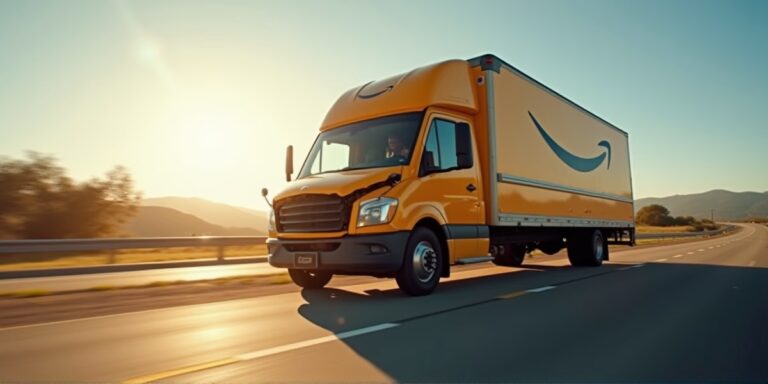
California’s ‘ABC test’ determines if a delivery driver (Amazon/FedEx) is an employee or contractor. Even if labeled a ‘contractor,’ a company may be liable if they exercise control over the driver’s work, a key factor in San Diego delivery truck litigation. Labor Code § 2775
What is vicarious liability and how does it apply to trucking companies?
Under the doctrine of **vicarious liability** (respondeat superior), a principal is responsible to third persons for the negligence of their agent in the transaction of business. This holds the trucking company legally liable for the wrongful acts of its drivers committed within the scope of their employment. Civ. Code § 2338
What are the speed limits for commercial trucks in California?
In California, commercial trucks (including semi-tractors with three or more axles) are strictly prohibited from exceeding **55 miles per hour** on any highway. CVC § 22406 In San Diego freeway crashes, proving a violation of this speed limit is a primary tool for establishing statutory negligence.