What Makes Truck Accidents Dangerous On Highway 163?

Highway 163, a major artery through San Diego, presents unique challenges that significantly increase the risk of serious truck accidents. Unlike typical freeways, 163 features a high concentration of tight curves, steep grades, and merging traffic, creating a volatile environment for large commercial vehicles. The speed differential between cars and trucks exacerbates these dangers, as does the frequent presence of construction zones and commuter congestion.
The sheer size and weight of tractor-trailers contribute to the severity of accidents on Highway 163. A fully loaded 18-wheeler can weigh up to 80,000 pounds, requiring significantly longer stopping distances than passenger cars. This means that even a minor miscalculation or delayed reaction by a truck driver can have catastrophic consequences, especially on the winding stretches of the highway. Furthermore, the height and length of these vehicles limit visibility for both the driver and other motorists, increasing the potential for blind spots and collisions.
As a personal injury attorney with over 13 years of experience practicing in San Diego, I’ve seen firsthand the devastating impact of truck accidents on Highway 163. I was trained by former insurance defense attorneys, giving me intimate knowledge of how insurance companies evaluate, devalue, and deny claims. This insight allows me to build strong cases and fight for the maximum compensation my clients deserve.
What are the common causes of truck accidents on Highway 163?
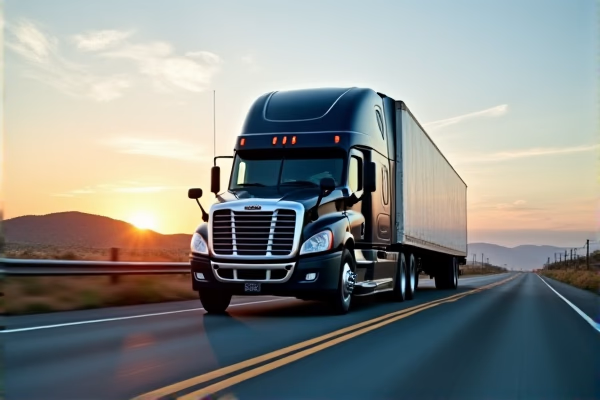
Several factors contribute to the high rate of truck accidents on Highway 163. Driver fatigue is a major concern, as federal regulations often allow drivers to operate for extended periods. Speeding, distracted driving, and improper lane changes are also frequent causes. Mechanical failures, such as brake malfunctions or tire blowouts, can also lead to accidents, particularly if the trucking company failed to adequately maintain its vehicles. Finally, the complex traffic patterns and merging zones on Highway 163 can overwhelm even experienced drivers.
Another significant cause is the improper securement of cargo. Loose or shifting loads can cause a truck to become unstable, increasing the risk of rollovers or jackknifes. This is especially dangerous on the curves of Highway 163, where centrifugal force can exacerbate the problem. Thorough pre-trip inspections and proper load securing procedures are crucial, but unfortunately, these are often overlooked due to time constraints or cost-cutting measures.
How does the steep grade of Highway 163 affect truck accidents?
The steep grades on Highway 163 present a unique challenge for truck drivers. Descending a steep incline requires careful braking and gear management to prevent overheating and loss of control. Overloaded trucks or those with faulty brakes are particularly vulnerable on these grades. Runaway truck ramps are strategically placed along the highway to provide a safe stopping point for vehicles experiencing brake failure, but these ramps are not always accessible or effective.
The uphill grades also pose a risk, as trucks may struggle to maintain speed, causing them to become obstacles for other vehicles. This is particularly dangerous during peak commute hours when traffic is congested. Drivers may attempt to pass slower-moving trucks on the uphill grades, increasing the risk of collisions. It’s crucial for truck drivers to be aware of their vehicle’s limitations and adjust their speed accordingly.
What evidence is important to collect after a truck accident on Highway 163?
Gathering evidence is critical after a truck accident on Highway 163. This includes photographs of the accident scene, including vehicle damage, road conditions, and any visible injuries. Obtain the contact information of the truck driver, any witnesses, and responding law enforcement officers. A police report will contain valuable information, but it’s important to remember that it’s not always accurate or complete.
Crucially, seek to preserve any dashcam footage from your vehicle or the truck involved. Electronic Logging Device (ELD) data can also provide valuable insights into the driver’s hours of service and speed. If possible, document any visible injuries or pain immediately after the accident. Finally, retain all medical records and bills related to your injuries.
What role do trucking company safety regulations play in preventing accidents on Highway 163?
Trucking companies are subject to a complex web of federal and state safety regulations designed to prevent accidents. These regulations cover everything from driver qualifications and hours of service to vehicle maintenance and cargo securement. The Federal Motor Carrier Safety Administration (FMCSA) conducts regular inspections and audits to ensure compliance. However, these regulations are not always effectively enforced, and some companies may prioritize profits over safety.
Under the doctrine of **vicarious liability** (respondeat superior), a principal is responsible to third persons for the negligence of their agent in the transaction of business. This holds the trucking company legally liable for the wrongful acts of its drivers committed within the scope of their employment. Investigating the trucking company’s safety record, including past violations and accident history, is a crucial step in building a strong case.
What should I do if a truck driver blames me for the accident on Highway 163?
It’s common for truck drivers or their insurance companies to attempt to shift blame onto the other driver after an accident. Do not admit fault or make any statements to the insurance company without first consulting with an attorney. Focus on gathering evidence and documenting your injuries. An experienced attorney can investigate the accident, identify any contributing factors, and protect your rights.
California’s ‘pure’ comparative fault system applies to trucking claims. Even if a truck driver argues you shared responsibility, you can still recover damages; however, your total compensation will be reduced by your percentage of fault. It’s crucial to have an attorney who can effectively challenge any attempts to unfairly assign blame.
How long do I have to file a lawsuit after a truck accident on Highway 163?
California law provides a **two-year** window from the date of the truck accident to file a lawsuit. Because trucking companies often begin evidence destruction (like purging ELD data) as soon as the law allows, immediate filing is critical to preserve the integrity of the claim. Delaying can significantly weaken your case and potentially bar you from recovering compensation.
If a truck accident involves a government-owned vehicle or a dangerous road condition maintained by a public entity, a formal administrative claim **MUST** be presented within **6 months** (180 days). Failure to meet this strict deadline under the Government Tort Claims Act can result in the permanent loss of your right to recover.
What if the truck driver was working as an independent contractor?
Determining whether a truck driver is an employee or an independent contractor can be complex. California’s ‘ABC test’ determines if a delivery driver (Amazon/FedEx) is an employee or contractor. Even if labeled a ‘contractor,’ a company may be liable if they exercise control over the driver’s work, a key factor in San Diego delivery truck litigation.
The level of control the company exerts over the driver’s operations, including scheduling, routes, and equipment, is a key factor in determining their status. An attorney can investigate the driver’s employment relationship and determine the appropriate parties to hold liable for your injuries.
What if I was injured while working as a commercial driver?
If a commercial driver is injured on the job in San Diego, they are entitled to workers’ compensation. However, workers’ compensation is generally the **exclusive remedy** against the employer. Separate personal injury claims are typically limited to **negligent third parties** who are not the employer.
Pursuing a claim against a negligent third party, such as another truck driver or a vehicle manufacturer, is often necessary to recover full compensation for your injuries. An attorney can investigate the accident and determine the best course of action to protect your rights.
What if the trucking company offers me a settlement quickly after the accident?
Trucking companies often attempt to settle claims quickly after an accident, before you fully understand the extent of your injuries and damages. Do not accept any settlement offer without first consulting with an attorney. Insurance companies are skilled at minimizing payouts, and a quick settlement may not adequately compensate you for your medical expenses, lost wages, and pain and suffering.
An attorney can evaluate the settlement offer, negotiate on your behalf, and ensure that you receive a fair and just compensation for your injuries. It’s crucial to have an advocate who can protect your interests and fight for the maximum recovery possible.