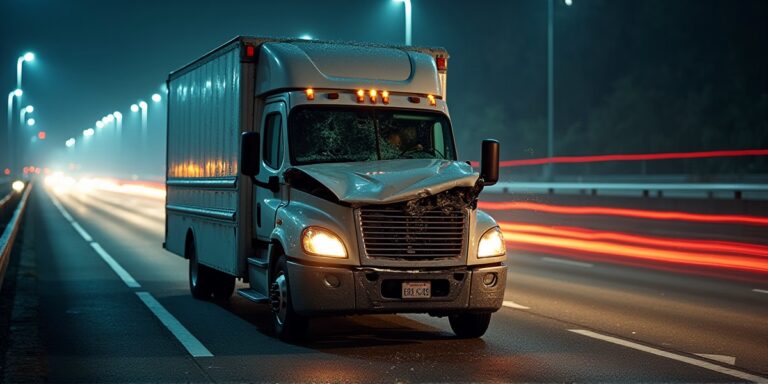
Where Are Semi Truck Blind Spots Located?

Understanding where semi-truck blind spots are located is crucial for any driver sharing the road with these massive vehicles. Unlike passenger cars, semi-trucks have significantly larger blind spots, creating dangerous “no-zones” where drivers simply cannot see smaller vehicles. These blind spots aren’t just on the sides; they extend forward, backward, and even diagonally. A driver unaware of these zones risks a devastating collision, and potentially life-altering injuries.
The sheer size of a commercial truck dictates the extent of these blind spots. A typical semi-truck can have blind spots up to 20 feet in front, 30 feet behind, and extending 10-20 feet on either side. These areas are obscured by the truck’s cab, trailer, and even the load itself. Furthermore, weather conditions like rain, fog, or darkness can drastically reduce visibility, exacerbating the problem. Knowing these limitations is the first step in protecting yourself and avoiding a serious accident.
I’ve spent over 13 years representing clients injured in truck accidents throughout San Diego. Trained by a former insurance defense attorney, I have intimate knowledge of how insurance companies evaluate, devalue, and deny claims. They often attempt to shift blame onto the victim, claiming they failed to exercise reasonable care. However, understanding the legal principles surrounding truck blind spots and driver responsibilities can significantly strengthen your case.
What are the four main blind spots on a semi-truck?
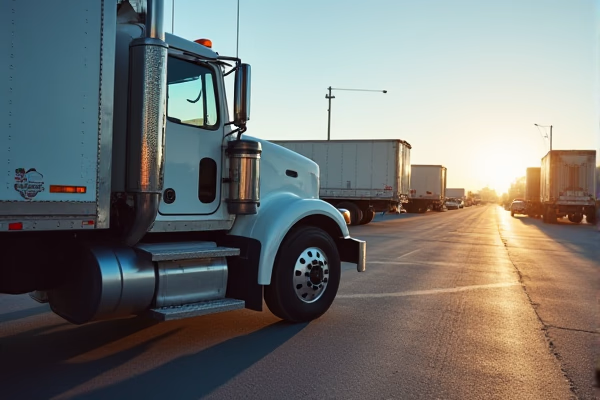
Semi-trucks have four primary blind spot areas that drivers must be aware of. The first is directly in front of the truck, extending approximately 20 feet. This area is obscured by the hood and the height of the cab. The second is on both sides of the truck, extending roughly 10-20 feet. These side blind spots are often the most dangerous, as drivers frequently attempt lane changes without properly checking these zones. The third blind spot is directly behind the truck, extending up to 30 feet. Finally, there are diagonal blind spots, located at the corners of the trailer, which can be particularly difficult to detect.
It’s important to remember that these blind spot sizes can vary depending on the size and configuration of the truck. Trailers, cargo, and even the truck’s height can all influence the extent of these no-zones. Drivers are legally obligated to account for these limitations and exercise due care when operating their vehicles.
How can I avoid a semi-truck’s blind spot while driving?
Avoiding a semi-truck’s blind spot requires proactive driving habits. The most important rule is to “If you can’t see the truck driver in their mirrors, they can’t see you.” Always position your vehicle so the truck driver has a clear view of you. When passing a truck, accelerate quickly to move past the blind spot as efficiently as possible. Avoid lingering in the truck’s blind spot, even for a short period. When merging, ensure you have a significant gap between your vehicle and the truck before attempting the maneuver.
Furthermore, be aware of the truck’s turn signals and brake lights. These indicators can provide valuable clues about the driver’s intentions. If you’re unsure whether the truck driver can see you, err on the side of caution and slow down or change lanes. Defensive driving is paramount when sharing the road with large commercial vehicles.
What legal responsibility do truck drivers have regarding blind spots?
Truck drivers have a legal duty to operate their vehicles safely and exercise reasonable care to avoid accidents. This includes being fully aware of their blind spots and taking appropriate precautions to mitigate the risks. Under Civ. Code § 2338, a trucking company is liable for the negligence of its drivers. If a driver fails to properly check their blind spots, resulting in an accident, the company can be held responsible for the resulting damages.
Furthermore, trucking companies are required to provide adequate training to their drivers on blind spot awareness and safe driving practices. Failure to do so can also be grounds for legal action. It’s important to document everything related to the accident, including the truck driver’s actions and any potential violations of safety regulations.
What evidence is helpful in proving a truck driver failed to check their blind spot?
Proving a truck driver failed to check their blind spot can be challenging, but not impossible. Dashcam footage from your vehicle or other nearby cameras can be invaluable in reconstructing the accident and demonstrating the driver’s negligence. Witness statements from other drivers or pedestrians can also provide crucial evidence. The truck’s Event Data Recorder (EDR), often referred to as a “black box,” can reveal information about the driver’s speed, braking patterns, and other critical data.
Additionally, the truck’s maintenance records can reveal any pre-existing mechanical issues that may have contributed to the accident. Expert testimony from accident reconstruction specialists can help analyze the evidence and establish the driver’s liability. Gathering as much evidence as possible is crucial to building a strong case and maximizing your potential recovery.
Can I recover damages if I was partially at fault for the accident?
Yes, even if you were partially at fault for the accident, you may still be able to recover damages under California’s ‘pure’ comparative fault system. Under Civ. Code § 1714, your total compensation will be reduced by your percentage of fault. For example, if you were 20% at fault, you can still recover 80% of your damages.
The insurance company will likely attempt to minimize your recovery by exaggerating your level of fault. It’s crucial to have an experienced attorney on your side who can effectively challenge their arguments and protect your rights. A thorough investigation of the accident and a strong presentation of evidence are essential to maximizing your compensation.
What should I do if a truck driver asks me to give a recorded statement?
If a truck driver or their insurance company asks you to give a recorded statement, politely decline. Do not provide any information about the accident without first consulting with an attorney. Insurance companies are skilled at using recorded statements to devalue claims and minimize their liability. They may ask leading questions or attempt to trick you into admitting fault.
Instead, provide them with your contact information and refer them to your attorney. Your attorney can advise you on the best course of action and ensure your rights are protected. Remember, you have no obligation to cooperate with the insurance company until you have legal representation.
How long do I have to file a claim after a truck accident in San Diego?
In California, you generally have **two years** from the date of the truck accident to file a lawsuit. Because trucking companies often begin evidence destruction (like purging ELD data) as soon as the law allows, immediate filing is critical to preserve the integrity of the claim. This timeframe is governed by CCP § 335.1.
However, if the accident involves a government-owned vehicle or a dangerous road condition maintained by a public entity, a formal administrative claim **MUST** be presented within **6 months** (180 days). Failure to meet this strict deadline under the Government Tort Claims Act can result in the permanent loss of your right to recover. It’s essential to act quickly and consult with an attorney to ensure you meet all applicable deadlines.