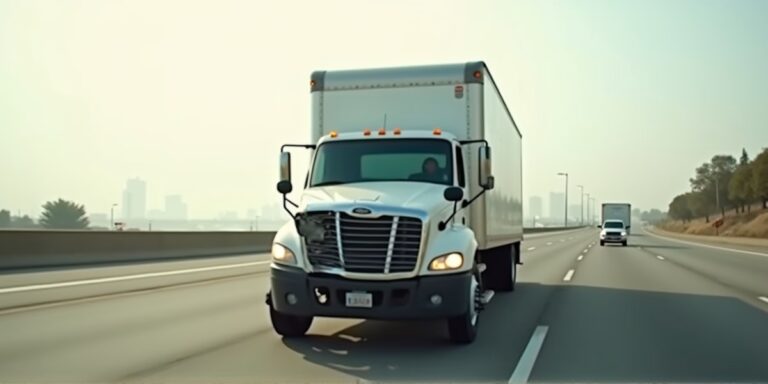
Can I Get Compensation For Permanent Disability After A Trucking Accident?

As a personal injury attorney in San Diego with over 13 years of experience, I’ve seen firsthand the devastating impact of trucking accidents, particularly when they result in permanent disabilities. The financial and emotional toll can be overwhelming. Many clients, like Javier, are left struggling with mounting medical expenses, lost wages, and a diminished quality of life. What many don’t realize is that they are entitled to significant compensation beyond just their immediate medical bills.
The legal process following a trucking accident involving permanent disability is complex. Insurance companies, trained by former defense attorneys like myself, will often attempt to minimize payouts, scrutinize medical records, and dispute the extent of your injuries. They may argue that your disability is pre-existing or not directly caused by the accident. It’s crucial to have an advocate who understands these tactics and can build a strong case on your behalf.
I’ve spent my career in San Diego fighting for the rights of accident victims, and I’ve developed a deep understanding of how insurance companies evaluate claims. My experience allows me to anticipate their strategies and gather the necessary evidence to maximize your recovery. This includes obtaining police reports, witness statements, medical records, and expert testimony to demonstrate the severity of your injuries and the long-term impact of your disability.
What types of damages can I recover for permanent disability after a trucking accident?
Compensation for permanent disability extends far beyond just medical expenses. You may be entitled to recover economic damages, which cover your financial losses, and non-economic damages, which address the intangible consequences of your injuries. Economic damages include past and future medical bills, lost wages, and diminished earning capacity. Non-economic damages encompass pain and suffering, emotional distress, and loss of enjoyment of life. In cases of particularly egregious negligence, punitive damages may also be available.
Calculating the full extent of your damages requires a thorough assessment of your medical condition, vocational history, and future needs. We work with forensic economists and medical experts to accurately quantify your losses and present a compelling case to the insurance company. This includes projecting your future medical expenses, lost income, and the cost of necessary accommodations to manage your disability.
How does comparative fault affect my claim if I was partially at fault for the accident?
California operates under a ‘pure’ comparative fault system, meaning you can still recover damages even if you were partially responsible for the accident. However, your compensation will be reduced by your percentage of fault. For example, if you are found to be 20% at fault, your recovery will be reduced by 20%. This is why it’s crucial to have an attorney who can thoroughly investigate the accident and present evidence to minimize your degree of responsibility. Civ. Code § 1714 outlines the principles of comparative negligence in California.
What if the truck driver was working as an independent contractor? Does that change my ability to recover?
Determining whether a truck driver is an employee or an independent contractor is a critical aspect of many trucking accident cases. California’s ‘ABC test’ ( Labor Code § 2775) is used to assess the level of control the company exercises over the driver’s work. If the company exerts significant control, the driver may be considered an employee, making the company directly liable for their actions. Even if labeled a ‘contractor,’ a company may be liable if they exercise control over the driver’s work, a key factor in San Diego delivery truck litigation.
What is the statute of limitations for filing a lawsuit after a trucking accident in California?
California law provides a **two-year** window from the date of the truck accident to file a lawsuit. Because trucking companies often begin evidence destruction (like purging ELD data) as soon as the law allows, immediate filing is critical to preserve the integrity of the claim. CCP § 335.1 governs the statute of limitations for personal injury claims in California.
What should I do if the insurance company asks me to give a recorded statement?
Insurance companies often request recorded statements early in the claims process. While you are not legally obligated to provide one, doing so can be detrimental to your case. Insurance adjusters are trained to ask leading questions designed to minimize your damages and identify weaknesses in your claim. It’s best to decline the request and consult with an attorney before providing any statements. We can handle all communication with the insurance company on your behalf, protecting your rights and ensuring that you don’t inadvertently jeopardize your recovery.