Can I Sue A Cargo Loading Company For A Truck Rollover?

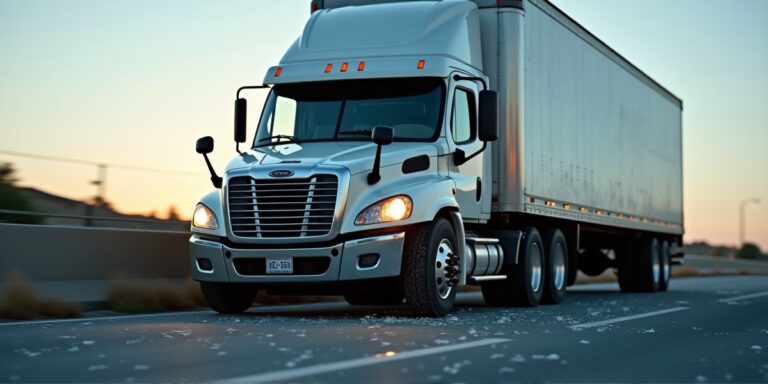
When a truck rolls over, the immediate focus is often on the driver. Was there negligence – speeding, distracted driving, or impairment? However, the responsibility often extends far beyond the person behind the wheel. Cargo loading companies, the entities tasked with securing the truck’s load, can be held liable for rollovers caused by improper loading practices. This is because they have a legal duty to ensure the cargo is distributed correctly, properly secured, and doesn’t create an unstable center of gravity.
The legal basis for holding a cargo loading company accountable stems from the principle of negligence. To successfully pursue a claim, we must demonstrate that the loading company breached its duty of care, and that this breach directly caused the rollover accident and your resulting injuries. This requires a thorough investigation, often involving accident reconstruction experts, load manifest reviews, and detailed analysis of the truck’s weight distribution at the time of the incident.
I’ve been practicing personal injury law in San Diego for over 13 years, and I’ve seen firsthand how insurance companies attempt to minimize the role of cargo loading companies in truck accidents. Trained by a former insurance defense attorney, I have intimate knowledge of how these companies evaluate, devalue, and deny claims. They’ll often point to the driver as the sole cause, even when evidence suggests otherwise. That’s why it’s crucial to have an attorney who understands the intricacies of trucking regulations and can effectively challenge their tactics.
What evidence is needed to prove a cargo loading company was at fault?
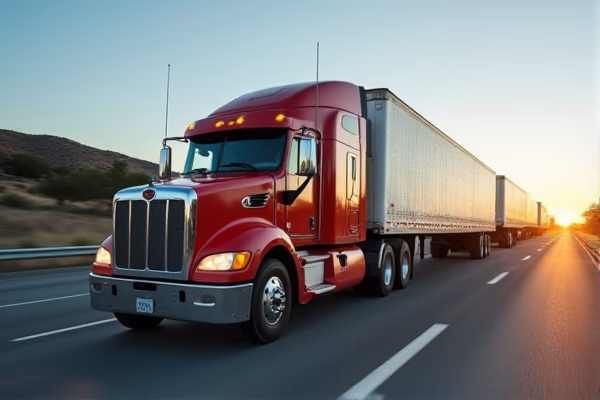
Establishing fault against a cargo loading company requires compelling evidence. This often includes the load securement documentation – bills of lading, weight tickets, and detailed descriptions of the cargo. We’ll also look for any violations of federal regulations regarding cargo securement, as outlined in 49 CFR § 395. These regulations specify the types and number of tie-downs required based on the cargo’s weight, dimensions, and characteristics.
Accident reconstruction reports are also critical. These reports can analyze the truck’s center of gravity, the distribution of weight, and the likely cause of the rollover. Expert testimony from a qualified accident reconstructionist can be invaluable in demonstrating that the improper loading directly contributed to the accident. Finally, witness statements and the truck’s Event Data Recorder (EDR) data can provide further insights into the events leading up to the crash.
Can I sue both the trucking company and the cargo loading company?
Yes, in many cases, you can pursue claims against both the trucking company and the cargo loading company. This is because they both have separate duties of care. The trucking company is responsible for the safe operation of the vehicle and the proper hiring and training of its drivers, while the cargo loading company is responsible for the securement of the load.
Under the doctrine of **vicarious liability** (respondeat superior), a principal is responsible to third persons for the negligence of their agent in the transaction of business. This holds the trucking company legally liable for the wrongful acts of its drivers committed within the scope of their employment. Pursuing claims against both parties maximizes your potential for recovery, as each entity’s insurance policy may cover different aspects of the damages.
What if the cargo loading company claims they followed all regulations?
Even if a cargo loading company claims to have followed all regulations, it doesn’t automatically absolve them of liability. We’ll meticulously review their documentation and procedures to identify any potential discrepancies or deviations from best practices. Sometimes, even strict adherence to regulations isn’t enough if the loading process was inherently flawed or unsafe.
For example, a company might have used the correct number of tie-downs, but the tie-downs themselves were damaged or improperly installed. Or, the cargo might have been loaded in a way that created an unstable center of gravity, even though it technically complied with weight limits. Our job is to uncover these hidden issues and demonstrate that the loading company’s actions were still negligent.
How long do I have to file a lawsuit against a cargo loading company?
In California, the **two-year** window from the date of the truck accident to file a lawsuit is critical. Because trucking companies often begin evidence destruction (like purging ELD data) as soon as the law allows, immediate filing is critical to preserve the integrity of the claim. This statute of limitations, governed by CCP § 335.1, applies to claims against both the trucking company and the cargo loading company.
It’s important to note that this timeframe begins from the date of the *accident*, not the date of injury discovery. Don’t delay seeking legal counsel, as missing this deadline can permanently bar your claim. We can immediately investigate the accident, gather evidence, and initiate the legal process to protect your rights.
What damages can I recover in a lawsuit against a cargo loading company?
If we successfully prove the cargo loading company’s negligence, you may be entitled to recover a wide range of damages. This includes compensation for medical expenses (past and future), lost wages, pain and suffering, emotional distress, and property damage. In cases of severe injuries, you may also be able to recover damages for loss of enjoyment of life and permanent disability.
We’ll work with medical experts and financial analysts to accurately quantify your damages and ensure you receive the full compensation you deserve. We also understand the long-term impact of truck accident injuries and will fight to secure funding for ongoing care and rehabilitation. Our goal is to help you rebuild your life and move forward after a devastating accident.
What should I do if I suspect improper cargo loading caused a truck accident?
If you believe improper cargo loading contributed to a truck accident, the first step is to seek legal counsel immediately. Do not attempt to investigate the accident on your own, as this could jeopardize your claim. Preserve any evidence you have, such as photos of the accident scene, witness contact information, and medical records.
We’ll conduct a thorough investigation, gather evidence, and build a strong case on your behalf. Remember, insurance companies are skilled at minimizing payouts, so having an experienced attorney by your side is crucial to protect your rights and maximize your recovery. Contact my office today for a free consultation.
What if the truck driver was also at fault?
California’s ‘pure’ comparative fault system applies to trucking claims. Even if a truck driver argues you shared responsibility, you can still recover damages; however, your total compensation will be reduced by your percentage of fault. The key is to demonstrate the loading company’s negligence contributed to the accident, regardless of the driver’s actions.
For example, if the loading company improperly secured the cargo, causing the truck to become unstable, and the driver was speeding, both parties could be held liable. Your compensation would be reduced by your percentage of fault, but you would still be able to recover damages from both the loading company and the driver.
How does a workers’ compensation claim affect my ability to sue a cargo loading company?
If the injured party was an employee of the cargo loading company, workers’ compensation may apply. However, workers’ compensation is generally the **exclusive remedy** against the employer. Separate personal injury claims are typically limited to **negligent third parties** who are not the employer. This means you can still pursue a claim against the trucking company or other responsible parties, even if you’re receiving workers’ compensation benefits.
Under Labor Code § 3601, lawsuits against co-employees are also barred unless the injury was caused by the co-employee’s **intoxication** or a **willful act of aggression**. We’ll carefully evaluate your situation to determine the best course of action and maximize your potential for recovery.
What if the truck accident involved a government vehicle or roadway hazard?
If a truck accident involves a government-owned vehicle or a dangerous road condition maintained by a public entity, a formal administrative claim **MUST** be presented within **6 months** (180 days). Failure to meet this strict deadline under the Government Tort Claims Act can result in the permanent loss of your right to recover. This claim must be filed with the relevant government agency and include detailed information about the accident, your injuries, and the damages you’ve incurred.
We have extensive experience handling government claims and can ensure your claim is properly filed and documented to maximize your chances of success. Don’t delay seeking legal counsel, as the 180-day deadline is often overlooked and can be fatal to your claim.
What role does dashcam footage and electronic logging device (ELD) data play in these cases?
Dashcam footage and Electronic Logging Device (EDL) data can be crucial pieces of evidence in truck accident cases. Dashcam footage can provide a visual record of the events leading up to the accident, including the driver’s actions and the condition of the roadway. EDL data can reveal information about the driver’s hours of service, speed, and braking patterns.
Federal **Hours of Service (HOS)** regulations dictate exactly how long a driver can be behind the wheel. Violations of these federal safety standards, often proven through Electronic Logging Device (ELD) data, are used to demonstrate driver fatigue. We’ll work with accident reconstruction experts to analyze this data and identify any potential violations or negligent behavior.