Does Bobtail Insurance Cover Injuries After A San Diego Crash?

Bobtail insurance, also known as non-trucking liability insurance, is a common policy used by owner-operators and small trucking companies to cover liability when their truck is not under dispatch. This typically includes situations like deadheading to a new load, maintenance, or traveling to a repair shop. However, the scope of coverage can be surprisingly narrow, and insurance companies frequently dispute claims based on interpretations of what constitutes “non-trucking” versus “for-hire” operation.
The core issue in these disputes often revolves around the intent and activity at the time of the accident. Was Darnell simply repositioning the truck for a future load, or was he actively seeking or transporting cargo? The insurance company will scrutinize his logs, dispatch records, and any communication related to potential freight. Even a brief conversation about securing a load could be used to argue that he was operating “for-hire” and therefore not covered under the bobtail policy.
I’ve spent over 13 years representing injured victims in San Diego, and I’ve seen firsthand how insurance companies leverage these policy loopholes to minimize payouts. Trained by a former insurance defense attorney, I understand the tactics they employ to evaluate, devalue, and deny legitimate claims. This intimate knowledge allows me to build strong cases that challenge their interpretations and secure the full compensation my clients deserve.
What factors determine if a San Diego crash is covered under a bobtail policy?
Several key factors will be examined to determine coverage. First, the specific language of the bobtail policy itself is paramount. Policies vary significantly in their definitions of covered and excluded activities. Second, the driver’s intent at the time of the accident is crucial. Was the truck being moved solely for personal reasons, or in anticipation of commercial use? Third, the presence of any dispatch or load-related communication will be heavily scrutinized. Finally, the location of the accident and the nature of the trip (e.g., traveling to a repair shop versus driving across state lines) can also play a role.
Insurance companies will often request detailed logs, bills of lading, and dispatch records to assess these factors. They may also interview the driver and any witnesses to gather information about the circumstances of the accident. It’s essential to be prepared to provide accurate and comprehensive documentation to support your claim.
What if the insurance company claims I was “actively engaged in commerce” at the time of the crash?
If the insurance company alleges you were actively engaged in commerce, it’s critical to challenge their interpretation. This often involves demonstrating that the truck was not actively transporting goods or seeking a specific load at the time of the accident. Evidence such as a clear itinerary showing travel to a repair shop, a lack of communication with dispatch, and testimony from witnesses can be helpful. It’s also important to understand that simply being *capable* of hauling a load doesn’t necessarily mean you were actively engaged in commerce.
How can I protect my claim if I’m involved in a bobtail accident in San Diego?
Protecting your claim starts immediately after the accident. First, document everything – photos of the scene, witness information, police reports, and any communication with the insurance company. Second, avoid making any statements to the insurance company without first consulting with an attorney. Third, preserve all relevant records, including logs, dispatch records, and maintenance documents. Finally, seek legal counsel as soon as possible to ensure your rights are protected and your claim is properly investigated.
What happens if my bobtail insurance policy doesn’t cover the full extent of my damages?
Even if your bobtail policy provides some coverage, it may not be sufficient to cover all of your damages, including medical expenses, lost wages, and pain and suffering. In this situation, you may be able to pursue additional claims against the at-fault driver, their employer, or any other responsible parties. It’s important to explore all potential avenues of recovery to ensure you receive the full compensation you deserve.
What is the statute of limitations for filing a claim after a truck accident in California?
California law provides a **two-year** window from the date of the truck accident to file a lawsuit. Because trucking companies often begin evidence destruction (like purging ELD data) as soon as the law allows, immediate filing is critical to preserve the integrity of the claim.
What should I do if the government was involved in a San Diego truck accident?
…if a truck accident involves a government-owned vehicle or a dangerous road condition maintained by a public entity, a formal administrative claim **MUST** be presented within **6 months** (180 days). Failure to meet this strict deadline under the Government Tort Claims Act can result in the permanent loss of your right to recover.
What if the driver was classified as an independent contractor, not an employee?
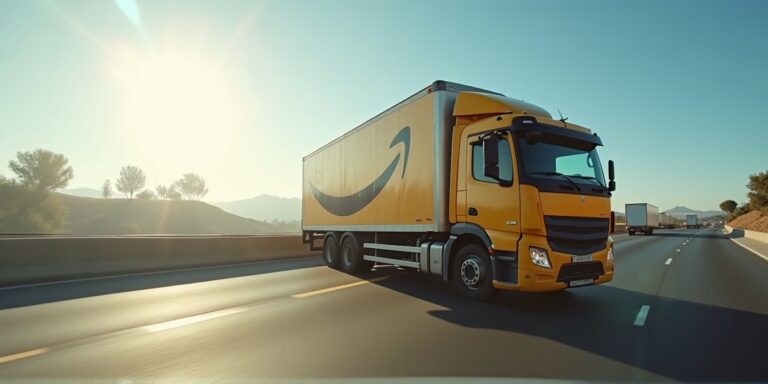
…California’s ‘ABC test’ determines if a delivery driver (Amazon/FedEx) is an employee or contractor. Even if labeled a ‘contractor,’ a company may be liable if they exercise control over the driver’s work, a key factor in San Diego delivery truck litigation.
Can I sue the trucking company directly for the driver’s negligence?
…under the doctrine of **vicarious liability** (respondeat superior), a principal is responsible to third persons for the negligence of their agent in the transaction of business. This holds the trucking company legally liable for the wrongful acts of its drivers committed within the scope of their employment.
What are the speed limits for commercial trucks in California?
…in California, commercial trucks (including semi-tractors with three or more axles) are strictly prohibited from exceeding **55 miles per hour** on any highway. In San Diego freeway crashes, proving a violation of this speed limit is a primary tool for establishing statutory negligence.