How Common Are Blind Spot Truck Crashes?

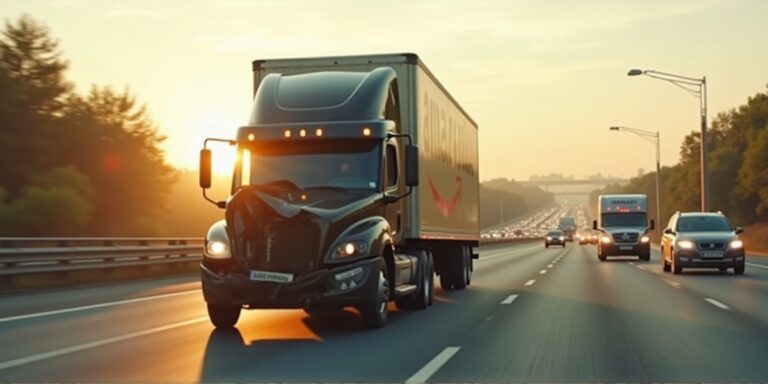
Blind spot truck crashes are a significant source of serious injuries and fatalities on California roadways. Due to their massive size, commercial trucks have substantially larger blind spots than passenger vehicles – approximately 18 feet on each side and up to 20 feet behind the trailer. These obscured areas make it incredibly difficult for drivers to detect smaller cars, motorcycles, and even other trucks, especially in congested traffic conditions. The Federal Motor Carrier Safety Administration (FMCSA) mandates specific training for drivers to mitigate these risks, but unfortunately, these protocols aren’t always followed, or are insufficient to prevent accidents.
The legal ramifications of a blind spot truck crash can be complex. Establishing liability often requires proving the truck driver’s negligence, which could involve demonstrating a failure to adhere to safety regulations, inadequate driver training, or simply a lack of reasonable care while operating the vehicle. Because trucking companies often begin evidence destruction (like purging ELD data) as soon as the law allows, immediate filing is critical to preserve the integrity of the claim.
I’ve spent over 13 years representing clients injured in truck accidents throughout San Diego. I was trained by a former insurance defense attorney, giving me intimate knowledge of how insurance companies evaluate, devalue, and deny claims. This experience allows me to anticipate their tactics and build a strong case on your behalf, ensuring you receive the full compensation you deserve.
What factors contribute to blind spot truck crashes?
Several factors can contribute to these types of accidents. Driver fatigue is a major one, as tired drivers are less attentive and have slower reaction times. Improperly maintained mirrors, inadequate driver training, and distractions behind the wheel also play a significant role. Furthermore, the sheer size of the truck itself creates inherent visibility challenges, particularly in urban areas with heavy traffic and numerous lane changes. Weather conditions, such as rain, fog, or glare, can further reduce visibility and exacerbate the risk.
Trucking companies have a legal obligation to ensure their drivers are properly trained and equipped to operate their vehicles safely. This includes regular mirror adjustments, comprehensive blind spot awareness training, and strict policies regarding driver fatigue and distractions. When a company fails to meet these standards, they can be held liable for the resulting damages in a blind spot truck crash.
What evidence is needed to prove a truck driver was negligent in a blind spot accident?
Gathering sufficient evidence is crucial to establishing negligence. This can include police reports, witness statements, dashcam footage (if available), and the truck’s Electronic Logging Device (ELD) data, which records the driver’s hours of service. The ELD data can reveal if the driver was operating outside of federal regulations, such as exceeding their allowable driving hours. Additionally, the truck’s maintenance records can provide insight into whether the mirrors were properly adjusted and functioning correctly. Expert accident reconstruction can also be invaluable in demonstrating the driver’s failure to properly check their blind spots.
What are the common injuries sustained in blind spot truck crashes?
Injuries from blind spot truck crashes are often severe due to the significant size and weight disparity between a truck and a passenger vehicle. Common injuries include fractured bones, traumatic brain injuries (TBIs), spinal cord injuries, internal organ damage, and even wrongful death. These injuries can require extensive medical treatment, rehabilitation, and ongoing care, resulting in substantial financial burdens and long-term physical and emotional suffering. Under the doctrine of **vicarious liability** (respondeat superior), a principal is responsible to third persons for the negligence of their agent in the transaction of business. This holds the trucking company legally liable for the wrongful acts of its drivers committed within the scope of their employment.
How long do I have to file a lawsuit after a blind spot truck crash?
In California, you have a limited time to file a lawsuit after a truck accident. CCP § 335.1 states that you generally have **two years** from the date of the accident to initiate legal proceedings. However, it’s crucial to act quickly, as trucking companies often begin evidence destruction as soon as the law allows. Delaying legal action can jeopardize your ability to recover the full compensation you deserve.
What should I do if a government vehicle was involved in the blind spot truck crash?
If a truck accident involves a government-owned vehicle or a dangerous road condition maintained by a public entity, a formal administrative claim **MUST** be presented within **6 months** (180 days). Gov. Code § 911.2 outlines this strict deadline under the Government Tort Claims Act. Failure to meet this deadline can result in the permanent loss of your right to recover. It’s essential to consult with an attorney immediately to ensure proper claim filing and documentation.