How Do Maintenance Violations Affect Settlements?

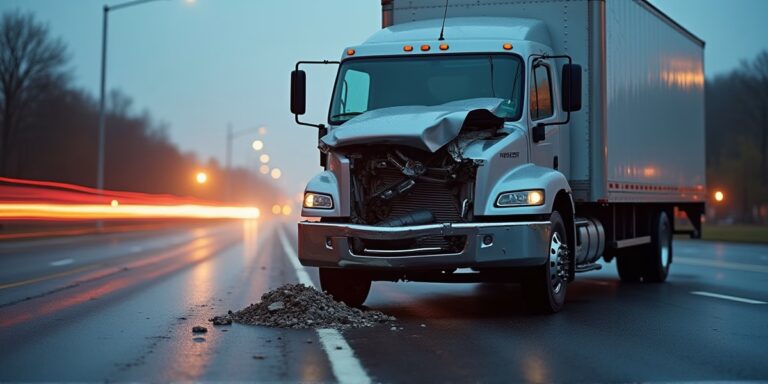
Maintenance violations are a critical component of many trucking accident claims. While a driver’s negligence is often a primary focus, the responsibility of the trucking company to properly maintain its vehicles is equally important. Federal and California regulations mandate strict inspection and repair schedules, and a failure to adhere to these standards can create significant liability. This isn’t simply about a broken taillight; it’s about a systemic failure to prioritize safety, and that failure can dramatically increase the value of your claim.
The Federal Motor Carrier Safety Administration (FMCSA) sets the baseline standards for commercial vehicle maintenance. These regulations cover everything from brake systems and tires to lighting and steering. California also has its own commercial vehicle safety regulations, often mirroring or exceeding federal requirements. Trucking companies are legally obligated to conduct regular inspections, document all repairs, and address any identified safety issues promptly. When they don’t, it creates a clear path to establishing negligence, even if the driver wasn’t directly at fault.
I’ve been practicing personal injury law in San Diego for over 13 years, and I’ve seen firsthand how insurance companies attempt to downplay the significance of maintenance violations. Trained by a former insurance defense attorney, I understand their tactics and how they evaluate claims. They’ll often argue that the violation wasn’t directly related to the accident, or that the driver would have identified the issue during a pre-trip inspection. That’s why it’s crucial to have an attorney who can thoroughly investigate the accident, gather evidence, and build a strong case demonstrating the trucking company’s negligence.
How Can I Prove a Maintenance Violation Contributed to My Accident?

Proving a maintenance violation requires diligent investigation. This often involves obtaining the truck’s maintenance records, which can reveal a history of neglected repairs or skipped inspections. We also subpoena driver logs to see if the driver reported any mechanical issues prior to the accident. Expert testimony from a qualified mechanic can be invaluable in establishing that a specific violation directly contributed to the crash. For example, a brake inspection report showing repeated failures, combined with expert analysis of the brake system after the accident, can be compelling evidence.
Furthermore, the police report and any witness statements can provide crucial information. If the investigating officer noted any visible mechanical defects, or if witnesses observed the truck exhibiting signs of poor maintenance (e.g., excessive smoke, unusual noises), this can strengthen your case. The Electronic Logging Device (ELD) data can also be helpful, as it can show if the driver was operating the vehicle despite known mechanical issues.
What Types of Maintenance Violations Are Most Common in Trucking Accidents?
Several types of maintenance violations frequently contribute to trucking accidents. These include brake failures, tire blowouts, steering system defects, and lighting malfunctions. Brake failures are particularly dangerous, as they can result in a complete loss of control. Tire blowouts can cause sudden lane departures and rollovers. Steering system defects can make it difficult for the driver to maintain control of the vehicle, especially at high speeds. Lighting malfunctions can reduce visibility, increasing the risk of a collision.
What if the Trucking Company Claims the Driver Performed a Pre-Trip Inspection?
Trucking companies are required to ensure drivers conduct thorough pre-trip inspections before each trip. However, simply claiming an inspection was performed isn’t enough. We need to see documentation of the inspection, including a detailed checklist of all inspected items. Even with a documented inspection, we can still challenge its validity. If the inspection report is incomplete, lacks detail, or contradicts other evidence, it may be deemed unreliable. It’s also important to investigate whether the driver was properly trained to identify and report mechanical issues.
Can I Recover Damages for Pain and Suffering if a Maintenance Violation Contributed to My Accident?
Yes, you are entitled to recover damages for both economic and non-economic losses, even if a maintenance violation was a contributing factor to the accident. Economic damages include medical bills, lost wages, and property damage. Non-economic damages include pain and suffering, emotional distress, and loss of enjoyment of life. The amount of non-economic damages will depend on the severity of your injuries, the impact on your daily life, and the extent of your suffering.
What is Respondeat Superior and How Does it Apply to Trucking Accidents?
Under the doctrine of **vicarious liability** (respondeat superior), a principal is responsible to third persons for the negligence of their agent in the transaction of business. This holds the trucking company legally liable for the wrongful acts of its drivers committed within the scope of their employment. Civ. Code § 2338. Even if the driver was negligent, the trucking company can be held liable for their actions if they were acting within the course and scope of their employment. This is a crucial legal principle in trucking accidents, as it allows you to pursue damages from the company itself, which typically has greater financial resources than the individual driver.
How Long Do I Have to File a Lawsuit After a Truck Accident?
In California, you have a limited time to file a lawsuit after a truck accident. CCP § 335.1 states that you generally have **two years** from the date of the accident to initiate legal proceedings. Because trucking companies often begin evidence destruction (like purging ELD data) as soon as the law allows, immediate filing is critical to preserve the integrity of the claim.