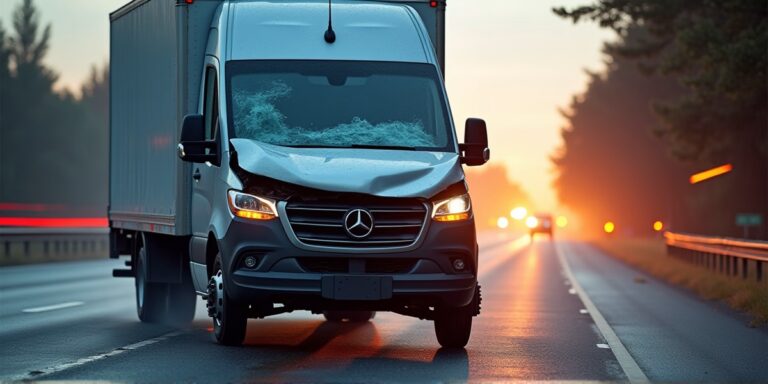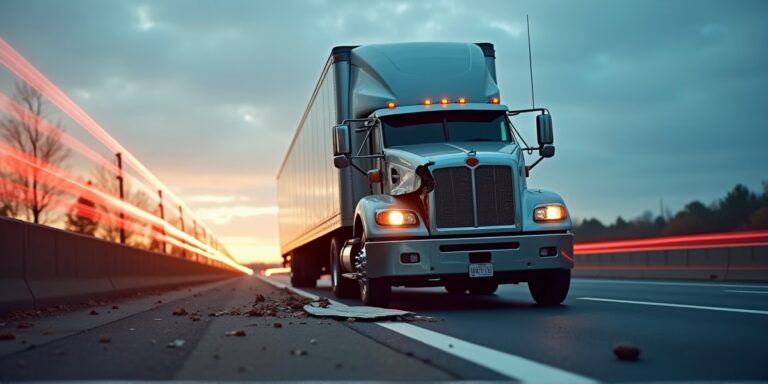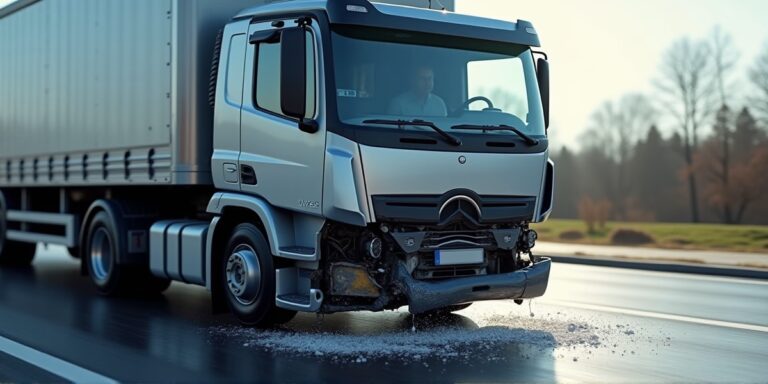
What Happens If A Speeding Truck Causes An Accident?

Speeding is a particularly dangerous form of negligence when it comes to commercial trucks. The sheer size and weight of these vehicles mean that even a small increase in velocity dramatically increases the force of impact in a collision. This translates to more severe injuries, more extensive property damage, and, unfortunately, a higher likelihood of fatalities. Proving that a truck was speeding, however, can be complex, requiring a thorough investigation and a deep understanding of California’s commercial vehicle regulations.
One of the first steps we take in these cases is to obtain the truck’s Event Data Recorder (EDR) data, often referred to as the “black box.” This device records critical information about the vehicle’s operation, including speed, braking activity, and throttle position in the moments leading up to the crash. We also subpoena the driver’s logbooks to verify compliance with federal Hours of Service regulations. Discrepancies between the EDR data and the logbooks can be a strong indicator of speeding or other violations.
I’ve been practicing personal injury law in San Diego for over 13 years, and I’ve seen firsthand how insurance companies attempt to minimize their liability in truck accident cases. Trained by a former insurance defense attorney, I have intimate knowledge of how they evaluate, devalue, and deny claims. They’ll often focus on the victim’s pre-existing conditions, argue that the injuries weren’t as severe as claimed, or attempt to shift blame to the other driver. That’s why it’s crucial to have an experienced attorney on your side who understands these tactics and can build a strong case on your behalf.
What evidence is needed to prove a truck was speeding?
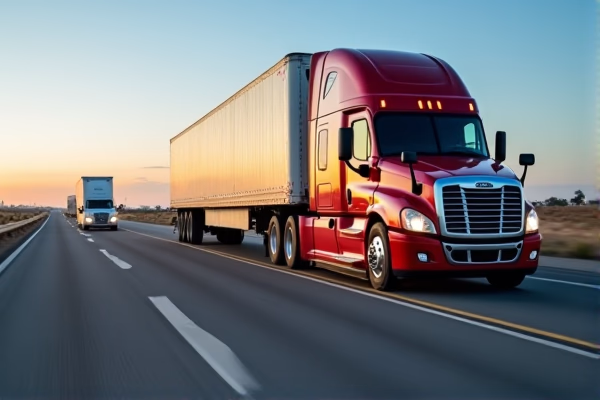
Establishing speed as the cause of an accident requires more than just a witness statement. While eyewitness testimony can be helpful, it’s often unreliable. The most compelling evidence typically comes from the truck’s EDR data, which provides a precise record of the vehicle’s speed leading up to the impact. We also look for physical evidence at the scene, such as skid marks, which can be analyzed to estimate the truck’s velocity. Accident reconstruction experts can play a vital role in interpreting this data and providing a clear picture of what happened.
Furthermore, we examine the truck driver’s compliance with California Vehicle Code § 22406, which strictly prohibits commercial trucks from exceeding 55 miles per hour. Violating this speed limit creates a presumption of negligence, shifting the burden to the trucking company to prove that the speed violation didn’t cause the accident. This can be difficult to do, especially if the EDR data confirms excessive speed.
Can I still recover damages if I was partially at fault?
Yes, California operates under a “pure” comparative fault system, meaning you can still recover damages even if you shared some responsibility for the accident. However, your total compensation will be reduced by your percentage of fault. For example, if you were 20% at fault, you would only be able to recover 80% of your total damages. Determining fault is often a complex process, and the insurance company will likely attempt to minimize their liability by arguing that you were more responsible than you actually were. It’s essential to have an attorney who can thoroughly investigate the accident and present a strong defense of your actions.
What if the truck driver claims a mechanical failure caused the accident?
Trucking companies often cite mechanical failure as a defense in accident cases, but these claims are often met with skepticism. We conduct a thorough investigation of the truck’s maintenance records to determine if there was a history of mechanical problems. If the truck was not properly maintained, or if the driver failed to report a known issue, the trucking company could be held liable for negligent maintenance. We also hire independent mechanics to inspect the truck and identify any defects that may have contributed to the accident. California’s commercial vehicle safety framework, outlined in Vehicle Code § 34500, places a significant responsibility on carriers to ensure their vehicles are safe and properly maintained.
What is the statute of limitations for filing a truck accident lawsuit in California?
In California, you have a **two-year** window from the date of the truck accident to file a lawsuit. Because trucking companies often begin evidence destruction (like purging ELD data) as soon as the law allows, immediate filing is critical to preserve the integrity of the claim. This is outlined in CCP § 335.1. Delaying can jeopardize your ability to recover the full compensation you deserve.
What should I do if the insurance adjuster asks me to give a recorded statement?
Politely decline to give a recorded statement without first consulting with an attorney. Insurance adjusters are trained to ask leading questions designed to minimize their liability. They may try to trick you into making statements that could be used against you later. It’s best to let an attorney handle all communications with the insurance company and protect your rights. A recorded statement can be detrimental to your case, even if you believe you are being truthful.
What if the accident involved a government-owned truck or a dangerous road condition?
If a truck accident involves a government-owned vehicle or a dangerous road condition maintained by a public entity, a formal administrative claim **MUST** be presented within **6 months** (180 days). Failure to meet this strict deadline under the Government Tort Claims Act can result in the permanent loss of your right to recover. This is detailed in Gov. Code § 911.2. These claims have specific requirements, and it’s crucial to have an attorney assist you with the process.
How does California’s “ABC test” affect truck accident claims involving delivery drivers?
California’s ‘ABC test’ determines if a delivery driver (Amazon/FedEx) is an employee or contractor. Even if labeled a ‘contractor,’ a company may be liable if they exercise control over the driver’s work, a key factor in San Diego delivery truck litigation. This is outlined in Labor Code § 2775. Misclassifying employees as contractors is a common practice, and we often investigate this issue in delivery truck accident cases.
What is “vicarious liability” and how does it apply to trucking companies?
Under the doctrine of **vicarious liability** (respondeat superior), a principal is responsible to third persons for the negligence of their agent in the transaction of business. This holds the trucking company legally liable for the wrongful acts of its drivers committed within the scope of their employment. This is detailed in Civ. Code § 2338. Even if the driver was at fault, the trucking company can be held accountable for their negligence.
What if the truck driver was speeding and also violated federal Hours of Service regulations?
Federal **Hours of Service (HOS)** regulations dictate exactly how long a driver can be behind the wheel. Violations of these federal safety standards, often proven through Electronic Logging Device (ELD) data, are used to demonstrate driver fatigue. This is outlined in 49 CFR § 395. Combining a speeding violation with HOS violations creates a strong case for negligence and can significantly increase the value of your claim.