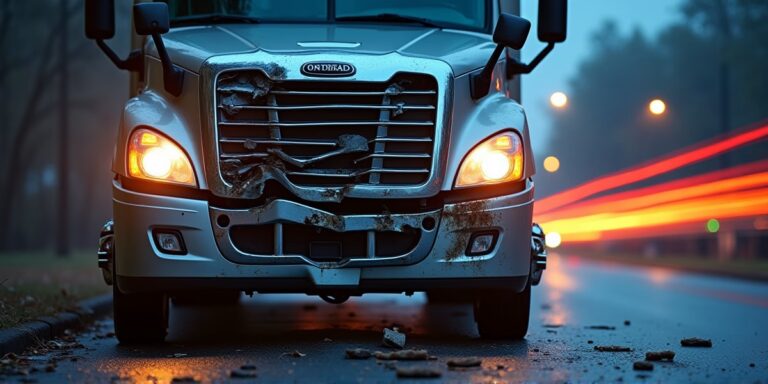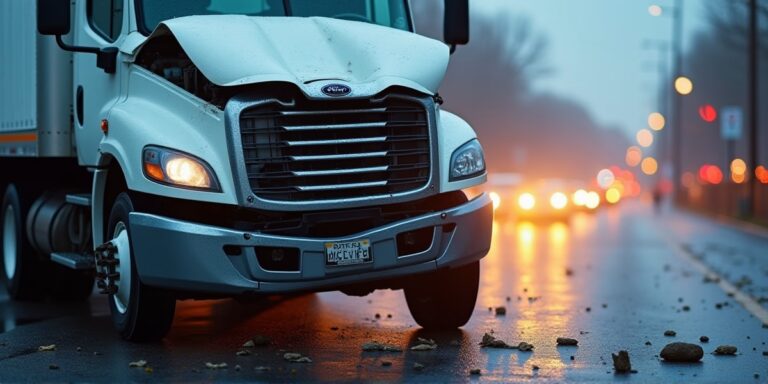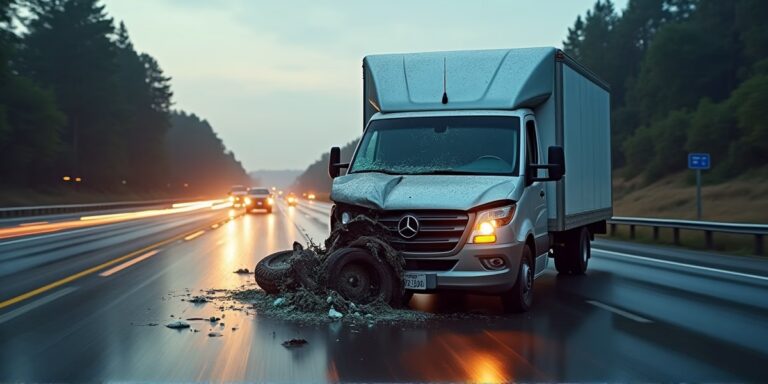
What Happens If A Tow Truck Causes An Accident In San Diego?

When a tow truck causes an accident, the legal landscape is often more complex than a typical car crash. Tow truck operators have a heightened duty of care due to the nature of their work – they’re often operating large vehicles in high-traffic areas, performing maneuvers that require extra vigilance. This means establishing negligence can be challenging, but not impossible. It’s crucial to understand that simply being involved in an accident isn’t enough to prove fault; we need to demonstrate the tow truck operator acted carelessly or violated established safety protocols.
One of the first things we do in these cases is obtain the tow truck company’s maintenance records, driver logs, and insurance policy. These documents can reveal critical information about the driver’s qualifications, the vehicle’s condition, and the extent of coverage available. We also thoroughly investigate the scene of the accident, gathering witness statements, police reports, and any available video footage. Because of the complexity of these claims, it’s important to have an attorney who understands the specific regulations governing tow truck operations in California.
I’ve been practicing personal injury law in San Diego for over 13 years, and I’ve seen firsthand how insurance companies attempt to undervalue or deny claims involving tow trucks. I was trained by a former insurance defense attorney, giving me intimate knowledge of how insurance companies evaluate, devalue, and deny claims. This insight allows me to anticipate their tactics and build a strong case on behalf of my clients. I understand the intricacies of proving negligence in these situations, and I’m committed to fighting for the maximum compensation my clients deserve.
What types of negligence are common in tow truck accidents?
Tow truck accidents often stem from several types of negligence. Improper lookout is a frequent issue, where the driver fails to adequately scan the surrounding area before maneuvering. Speeding or reckless driving is another common factor, especially when responding to emergency calls. Failure to properly secure the towed vehicle can lead to it breaking loose and causing a collision. Finally, inadequate training or supervision of the tow truck operator can contribute to accidents, particularly if the driver lacks the necessary experience or qualifications.
Can I recover damages if I was partially at fault for the accident?
California operates under a ‘pure’ comparative fault system, meaning you can recover damages even if you were partially responsible for the accident. However, your compensation will be reduced by your percentage of fault. For example, if you sustained $100,000 in damages but were found to be 20% at fault, you would only be able to recover $80,000. Determining fault is often a complex process, and insurance companies will likely attempt to minimize their liability by assigning as much blame to you as possible. That’s why it’s crucial to have an experienced attorney on your side to protect your rights.
What if the tow truck was responding to an emergency call?
Even when responding to an emergency, tow truck operators are still required to exercise reasonable care. The fact that they were on an emergency call does not automatically absolve them of responsibility. In fact, the urgency of the situation may even increase their duty of care. We’ll investigate whether the driver took appropriate precautions, such as using lights and sirens, and whether their actions were reasonable under the circumstances. It’s important to remember that emergency response is not a free pass to disregard safety regulations.
What kind of evidence is needed to win a tow truck accident case?
Building a strong case requires gathering comprehensive evidence. Police reports are a crucial starting point, but they often contain inaccuracies or incomplete information. Witness statements can provide valuable insights into the events leading up to the accident. Photos and videos of the scene, including any dashcam footage, are essential for documenting the damage and the position of the vehicles. Finally, medical records and bills are necessary to prove the extent of your injuries and associated expenses. We also often subpoena maintenance records and driver logs from the tow truck company.
How long do I have to file a lawsuit after a tow truck accident in California?
California law provides a **two-year** window from the date of the truck accident to file a lawsuit. Because trucking companies often begin evidence destruction (like purging ELD data) as soon as the law allows, immediate filing is critical to preserve the integrity of the claim. It’s important to act quickly to gather evidence and consult with an attorney to ensure your rights are protected. Delaying can significantly weaken your case and potentially result in the loss of your ability to recover compensation.
What should I do if the tow truck company asks me to give a recorded statement?
Insurance companies routinely request recorded statements from accident victims. While you are not legally obligated to provide one, doing so can be detrimental to your case. They are skilled at asking leading questions designed to minimize their liability and create inconsistencies in your testimony.** It’s best to politely decline and refer them to your attorney. We can handle all communication with the insurance company on your behalf, protecting your rights and ensuring you don’t inadvertently say anything that could harm your claim.
What if I have medical liens that need to be resolved after my settlement?
Medical liens are common in personal injury cases, especially when you’ve received extensive treatment. These liens represent the right of healthcare providers to be reimbursed for their services.** We have extensive experience negotiating with medical providers to reduce the amount of your liens, often significantly. We’ll work to ensure all liens are properly resolved before you receive your final settlement proceeds. It’s important to understand your rights and options regarding medical liens, as they can impact the amount of money you ultimately receive.
What if the accident involved a government-owned tow truck or a dangerous road condition?
If a truck accident involves a government-owned vehicle or a dangerous road condition maintained by a public entity, a formal administrative claim **MUST** be presented within **6 months** (180 days). Failure to meet this strict deadline under the Government Tort Claims Act can result in the permanent loss of your right to recover. These claims have specific requirements and procedures, and it’s crucial to have an attorney familiar with government liability laws to ensure your claim is properly filed and processed.
What if the tow truck driver was an independent contractor, not an employee?
California’s ‘ABC test’ determines if a delivery driver (Amazon/FedEx) is an employee or contractor. Even if labeled a ‘contractor,’ a company may be liable if they exercise control over the driver’s work, a key factor in San Diego delivery truck litigation. We’ll investigate the relationship between the tow truck driver and the company to determine if they were properly classified as an independent contractor or if they should be considered an employee for liability purposes.
What if the tow truck company’s insurance company is offering me a policy limits tender?
A policy limits tender is an offer from the insurance company to settle your claim for the maximum amount of their policy. While it may seem like a generous offer, it’s important to carefully consider whether it adequately compensates you for all of your damages.** We’ll evaluate your medical expenses, lost wages, pain and suffering, and other losses to determine if the tender is fair. We’ll also investigate whether there are other potential sources of recovery, such as an excess insurance policy or the tow truck driver’s personal assets.