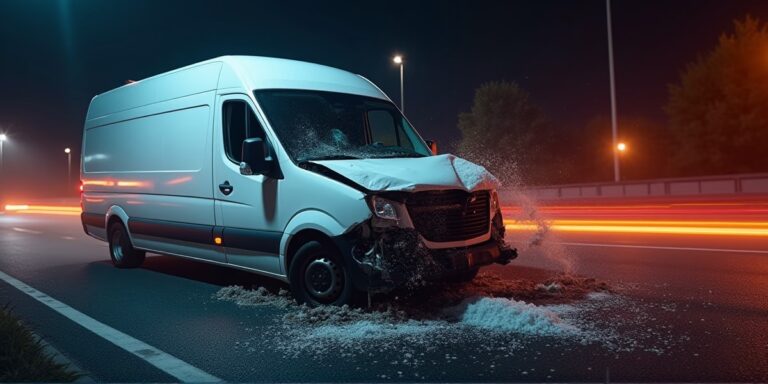
What If A Mechanical Defect In A New Truck Caused My Accident?

When a mechanical defect causes a truck accident, it introduces a complex layer of liability beyond the driver. While driver negligence is often a factor, the responsibility can extend to the truck manufacturer, parts suppliers, or even the dealership if the defect existed prior to sale. This is because these entities have a legal duty to ensure the vehicles they produce and sell are reasonably safe. A failure to do so can result in significant legal repercussions.
Successfully navigating these cases requires a deep understanding of product liability law, federal motor vehicle safety standards, and the intricacies of truck maintenance records. It’s not enough to simply prove the brake failed; we need to establish *when* the defect arose, whether it was a known issue, and if proper testing and quality control measures were in place. This often involves expert testimony, forensic analysis of the vehicle, and a thorough review of the manufacturer’s design and production processes.
I’ve been practicing personal injury law in San Diego for over 13 years, and I’ve seen firsthand how insurance companies attempt to minimize their exposure in these types of cases. Trained by a former insurance defense attorney, I have intimate knowledge of how they evaluate, devalue, and deny claims. They will scrutinize every aspect of the accident, looking for any reason to shift blame or reduce the payout. That’s why it’s crucial to have an attorney on your side who understands their tactics and can effectively advocate for your rights.
What evidence do I need to gather if I suspect a mechanical defect caused my truck accident?
Documenting everything is paramount. Immediately after the accident, if possible, photograph the vehicle’s damage, focusing on the specific component that failed. Obtain the police report and any inspection reports. Crucially, preserve any maintenance records related to the truck, including pre-trip inspections, repair logs, and any communications with the dealership or manufacturer regarding potential issues. If the truck was part of a recall, gather all documentation related to that recall.
Don’t attempt to repair the vehicle before a thorough inspection by an independent expert. The insurance company will likely send their own investigators, and you want to ensure your own evidence is preserved and analyzed first. Also, be very careful about what you say to the insurance adjuster. They are looking for statements that could be used to minimize their liability.
Can I sue both the truck driver and the manufacturer in a mechanical defect case?
Yes, in many cases, you can pursue claims against multiple parties. The truck driver may be liable if their negligence contributed to the accident – for example, if they failed to report a known mechanical issue or were operating the vehicle recklessly. However, the manufacturer, parts supplier, or dealership may also be liable under product liability theories. This is often referred to as a ‘joint and several liability’ situation, meaning you may be able to recover the full amount of your damages from any one of the responsible parties.
What is “respondeat superior” and how does it apply to trucking accidents?
Under the doctrine of Civ. Code § 2338 vicarious liability (respondeat superior), a principal is responsible to third persons for the negligence of their agent in the transaction of business. This means the trucking company can be held liable for the actions of its drivers while they are on duty. Even if the driver was at fault, the company may still be responsible for your damages. This is because the driver is considered an agent of the company, and the company has a duty to ensure its drivers are properly trained and supervised.
How long do I have to file a lawsuit if a mechanical defect caused my truck accident?
In California, CCP § 335.1 provides a **two-year** window from the date of the truck accident to file a lawsuit. Because trucking companies often begin evidence destruction (like purging ELD data) as soon as the law allows, immediate filing is critical to preserve the integrity of the claim.
What if the truck was subject to a safety recall? Does that automatically mean I have a case?
A safety recall is strong evidence of a known defect, but it doesn’t automatically guarantee a successful lawsuit. We need to establish a direct link between the recall and the cause of your accident. Was the defect addressed before the accident? If not, that strengthens your case. We also need to demonstrate that the defect was the proximate cause of your injuries. A recall notice is a valuable piece of evidence, but it’s just one piece of the puzzle.
What role do Electronic Logging Devices (ELDs) play in proving a mechanical defect case?
While ELDs primarily track driver hours, they can indirectly support a mechanical defect claim. If the driver was operating the truck outside of federal 49 CFR § 395 Hours of Service (HOS) regulations, it could indicate pressure to drive a faulty vehicle for extended periods, exacerbating the defect. Furthermore, ELD data can help establish the truck’s maintenance schedule and any potential violations of safety protocols.
How can I protect my claim if the insurance company asks me to give a recorded statement?
I strongly advise against giving a recorded statement to the insurance company without first consulting with an attorney. Insurance adjusters are skilled at eliciting information that can be used to minimize your claim. They may ask leading questions or attempt to downplay your injuries. A recorded statement can be used against you later in the litigation process. Let me handle all communications with the insurance company on your behalf.
What are medical liens and how do they affect my truck accident settlement?
Medical liens are claims placed on your settlement by healthcare providers who have treated you for injuries sustained in the accident. These liens ensure they are reimbursed for their services. Negotiating these liens is a critical part of the settlement process. I have extensive experience working with medical providers in San Diego to reduce lien amounts and protect your net recovery. It’s important to understand that the initial lien amount is often negotiable.
What is comparative fault and how could it impact my truck accident case?
California’s Civ. Code § 1714 ‘pure’ comparative fault system applies to trucking claims. Even if a truck driver argues you shared responsibility, you can still recover damages; however, your total compensation will be reduced by your percentage of fault. The insurance company will likely attempt to argue you were partially responsible for the accident, so it’s crucial to have an attorney who can effectively challenge their claims.
What is the process for filing a claim against a government entity if a roadway defect contributed to my accident?
If a truck accident involves a government-owned vehicle or a dangerous road condition maintained by a public entity, a formal administrative claim Gov. Code § 911.2 **MUST** be presented within **6 months** (180 days). Failure to meet this strict deadline under the Government Tort Claims Act can result in the permanent loss of your right to recover.