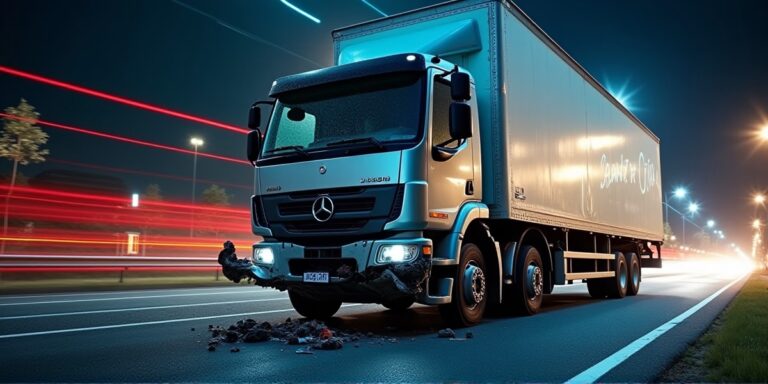
What If A Passenger Vehicle Cut Off My Semi Truck On The I 5?

When a passenger vehicle cuts off a semi-truck, determining liability can be complex. While it often seems straightforward – the other driver made a dangerous lane change – insurance companies will meticulously investigate every detail to minimize their payout. They’ll look for any potential contributing factors, even if minor, to shift blame. This is where having experienced legal counsel is crucial. As a personal injury attorney practicing in San Diego for over 13 years, I’ve seen firsthand how these cases unfold. I was trained by former insurance defense attorneys, giving me intimate knowledge of how insurance companies evaluate, devalue, and deny claims.
The key to successfully pursuing a claim in these situations lies in establishing negligence. This means proving the other driver breached their duty of care, and that breach directly caused your injuries and damages. Evidence is paramount. Police reports, witness statements, dashcam footage, and the truck’s Event Data Recorder (EDR) data are all vital pieces of the puzzle. Even seemingly insignificant details, like the time of day and weather conditions, can play a role.
Can I Recover Damages If the Passenger Vehicle Was Entirely at Fault?
Yes, absolutely. California operates under a principle of pure comparative negligence. This means you can recover damages even if you were partially at fault for the accident. However, your recovery will be reduced by your percentage of fault. If the passenger vehicle was 100% at fault, you are entitled to full compensation for your losses. This includes medical expenses (past and future), lost wages, property damage, and pain and suffering.
Documenting all your damages is critical. Keep meticulous records of all medical bills, therapy appointments, and lost income. A detailed accounting of your pain and suffering, including how the accident has impacted your daily life, is also essential. Insurance companies often try to undervalue these non-economic damages, so it’s important to present a compelling case for the full extent of your suffering.
What Types of Evidence Are Most Helpful in My Case?
Several types of evidence can significantly strengthen your claim.
- Police Report: The official police report provides a preliminary assessment of the accident and identifies the at-fault driver.
- Witness Statements: Independent witness accounts can corroborate your version of events.
- Dashcam Footage: Video evidence is incredibly powerful, providing a clear and objective record of the accident.
- Event Data Recorder (EDR) Data: The truck’s EDR captures critical data, such as speed, braking, and steering information.
- Photos and Videos of the Scene: Documenting the damage to both vehicles and the accident location can be invaluable.
What if the Insurance Company Claims I Was Speeding or Following Too Closely?
Insurance companies frequently attempt to shift blame onto the truck driver. They may allege you were speeding, following too closely, or failed to take evasive action. It’s crucial to counter these claims with solid evidence. The EDR data can definitively prove your speed at the time of the accident. Expert reconstruction analysis can demonstrate that you were operating your vehicle safely and reasonably under the circumstances.
Furthermore, California law strictly prohibits commercial trucks from exceeding 55 miles per hour on any highway. In San Diego freeway crashes, proving a violation of this speed limit is a primary tool for establishing statutory negligence. We will also investigate the other driver’s actions thoroughly, looking for evidence of distracted driving, impaired driving, or other negligent behaviors.
How Long Do I Have to File a Lawsuit?
California law provides a two-year window from the date of the truck accident to file a lawsuit. Because trucking companies often begin evidence destruction (like purging ELD data) as soon as the law allows, immediate filing is critical to preserve the integrity of the claim. Delaying can jeopardize your ability to recover compensation.
What if the Truck Driver Was an Independent Contractor?
Determining the employment status of the truck driver is crucial. If the driver was an employee of a trucking company, the company is typically liable for their negligence under the doctrine of vicarious liability (respondeat superior). However, if the driver was an independent contractor, establishing liability can be more complex. California’s ‘ABC test’ determines if a delivery driver (Amazon/FedEx) is an employee or contractor. Even if labeled a ‘contractor,’ a company may be liable if they exercise control over the driver’s work, a key factor in San Diego delivery truck litigation.
What Should I Do If the Insurance Adjuster Asks for a Recorded Statement?
Politely decline to provide a recorded statement without first consulting with an attorney. Insurance adjusters are trained to ask leading questions designed to minimize your claim. They may try to elicit statements that can be used against you later. It’s best to let an attorney handle all communication with the insurance company.
What if I Have Medical Liens After the Accident?
Medical liens arise when healthcare providers treat you for injuries sustained in the accident and seek reimbursement for their services. These liens can significantly reduce your net recovery. We will negotiate with healthcare providers to reduce the amount of the liens and ensure you receive the maximum possible compensation.
What if the Government Was Responsible for the Road Condition?
If a truck accident involves a government-owned vehicle or a dangerous road condition maintained by a public entity, a formal administrative claim MUST be presented within 6 months (180 days). Failure to meet this strict deadline under the Government Tort Claims Act can result in the permanent loss of your right to recover.
What if the Trucking Company Offers a Policy Limits Tender?
A policy limits tender is an offer from the insurance company to settle your claim for the maximum amount of their policy. While it may seem appealing, it’s crucial to carefully consider whether the offer adequately compensates you for all your losses. We will evaluate the full extent of your damages and advise you on whether to accept or reject the tender.
What if There is a Dispute Over Comparative Fault?
California’s ‘pure’ comparative fault system applies to trucking claims. Even if a truck driver argues you shared responsibility, you can still recover damages; however, your total compensation will be reduced by your percentage of fault. We will aggressively challenge any claims of comparative fault and present evidence to minimize your responsibility for the accident.