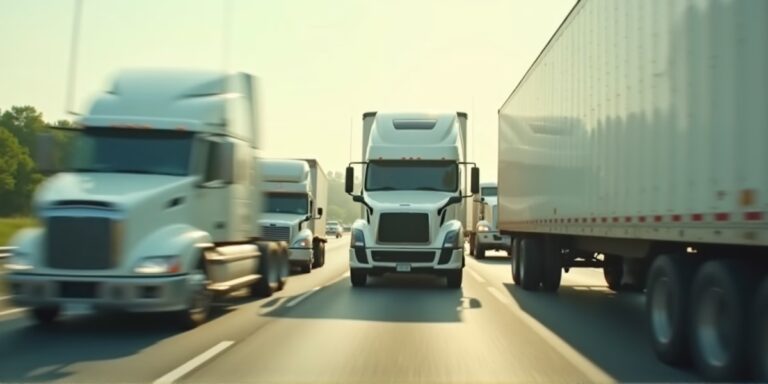
What Is A Spoliation Letter In Truck Accident Cases?

One of the first things we do in a serious truck accident case like Bartholomew’s is send a “spoliation letter” to the trucking company and any other potentially responsible parties. This isn’t a friendly request; it’s a legally binding demand to preserve all evidence related to the crash. Why is this so critical? Because evidence disappears, gets altered, or is simply lost over time, and that can devastate a claim.
A spoliation letter formally notifies these parties of our representation and the potential for litigation. More importantly, it specifically identifies the types of evidence we expect them to safeguard. This includes the truck’s Event Data Recorder (EDR) – essentially the “black box” for commercial vehicles – maintenance records, driver logs, pre- and post-trip inspection reports, cell phone records, and any internal communications related to the accident. The letter emphasizes the legal consequences of failing to preserve this evidence, which can include sanctions, adverse inferences at trial, and even dismissal of their defense.
I’ve been practicing personal injury law in San Diego for over 13 years, and I’ve seen firsthand how insurance companies will attempt to minimize their exposure by destroying or concealing crucial evidence. I was trained by a former insurance defense attorney, giving me intimate knowledge of how these companies evaluate, devalue, and deny claims. This experience informs my approach to every case, ensuring we proactively protect our clients’ rights.
What evidence is typically included in a spoliation demand?

A comprehensive spoliation letter will cover a wide range of potential evidence sources. Beyond the EDR, which records speed, braking, and other critical data, we’ll demand access to the truck’s maintenance history. Regular maintenance is legally required for commercial vehicles, and any lapses or deficiencies can indicate negligence. We also seek driver qualification files, including medical certifications, licensing information, and any history of violations.
Furthermore, we’ll request all communications related to the accident, including emails, text messages, and internal reports. These communications can reveal a company’s knowledge of driver fatigue, safety concerns, or pressure to meet unrealistic deadlines. Finally, we’ll ask for any video footage from dashcams, toll booths, or nearby surveillance cameras. Preserving this evidence is essential for reconstructing the accident and establishing liability.
What happens if a trucking company ignores a spoliation letter?
Ignoring a spoliation letter is a serious offense with potentially severe consequences. Courts can impose sanctions on the responsible party, including monetary penalties, adverse inferences at trial, and even dismissal of their case. An adverse inference means the jury is allowed to assume that the destroyed or lost evidence would have been unfavorable to the trucking company.
In some cases, a court may even issue a default judgment in favor of the injured party. While a default judgment isn’t always guaranteed, it demonstrates the court’s willingness to punish parties who intentionally conceal evidence. This is why we take spoliation letters very seriously and aggressively pursue any evidence of tampering or destruction.
What is the legal basis for sending a spoliation letter?
The legal basis for sending a spoliation letter stems from the duty to preserve evidence once litigation is reasonably anticipated. This duty is rooted in California Code of Civil Procedure § 335.1, which outlines the discovery process and the obligations of parties to disclose relevant information. While the statute of limitations dictates the timeframe for *filing* a lawsuit, the duty to preserve evidence begins much earlier.
Failing to preserve evidence can be considered spoliation of evidence, which is a violation of this duty. Courts have broad discretion to impose sanctions for spoliation, and the severity of the sanctions will depend on the nature of the evidence, the intent of the responsible party, and the prejudice suffered by the injured party.
How does a spoliation letter help my truck accident claim?
A spoliation letter serves as a crucial first step in protecting your rights and maximizing your recovery in a truck accident claim. By formally demanding the preservation of evidence, we put the trucking company on notice and create a record of their obligations. This can be invaluable if evidence later disappears or is altered.
Furthermore, the letter demonstrates our commitment to a thorough investigation and sends a clear message to the insurance company that we’re prepared to fight for your rights. It also allows us to gather critical information early in the process, which can help us build a stronger case and negotiate a more favorable settlement.
What should I do if I suspect a trucking company is hiding evidence?
If you suspect a trucking company is hiding evidence, it’s crucial to contact an attorney immediately. Do not attempt to investigate the matter on your own, as this could jeopardize your claim. An experienced attorney can conduct a thorough investigation, gather evidence, and take appropriate legal action to protect your rights.
We can file a motion to compel discovery, seeking court orders to force the trucking company to produce the requested evidence. We can also pursue sanctions for spoliation, which can include monetary penalties and adverse inferences at trial. Protecting your claim requires swift and decisive action, and an attorney can provide the guidance and expertise you need.
What is the role of the Electronic Logging Device (ELD) in a spoliation letter?
The Electronic Logging Device (ELD) is a critical piece of evidence in many truck accident cases. ELDs record a driver’s hours of service, speed, location, and other vital data. Violations of federal Hours of Service (HOS) regulations, often proven through ELD data, are used to demonstrate driver fatigue, a leading cause of truck accidents.
We specifically demand access to the ELD data in our spoliation letters, as it can reveal whether the driver was operating within legal limits at the time of the crash. We also request any maintenance records related to the ELD, as malfunctions or tampering can compromise the accuracy of the data. Preserving this evidence is essential for establishing liability and maximizing your recovery.
How long do I have to file a lawsuit after a truck accident in California?
In California, you generally have **two years** from the date of the truck accident to file a lawsuit. Because trucking companies often begin evidence destruction (like purging ELD data) as soon as the law allows, immediate filing is critical to preserve the integrity of the claim. However, there are exceptions to this rule, such as cases involving government entities or minors. It’s essential to consult with an attorney as soon as possible to determine the applicable statute of limitations in your case.
What if the accident involved a government vehicle or roadway defect?
If a truck accident involves a government-owned vehicle or a dangerous road condition maintained by a public entity, a formal administrative claim **MUST** be presented within **6 months** (180 days). Failure to meet this strict deadline under the Government Tort Claims Act can result in the permanent loss of your right to recover. This claim must be detailed and include all supporting documentation, and it’s crucial to consult with an attorney to ensure it’s properly filed.
What if the driver was classified as an independent contractor?
California’s ‘ABC test’ determines if a delivery driver (Amazon/FedEx) is an employee or contractor. Even if labeled a ‘contractor,’ a company may be liable if they exercise control over the driver’s work, a key factor in San Diego delivery truck litigation. We will investigate the driver’s employment status and seek evidence of control, such as scheduling requirements, training protocols, and performance monitoring.
Can the trucking company be held liable for the driver’s negligence?
Under the doctrine of **vicarious liability** (respondeat superior), a principal is responsible to third persons for the negligence of their agent in the transaction of business. This holds the trucking company legally liable for the wrongful acts of its drivers committed within the scope of their employment. We will investigate the driver’s employment relationship and seek evidence of negligence, such as speeding, distracted driving, or fatigue.
What if the truck driver was speeding?
In California, commercial trucks (including semi-tractors with three or more axles) are strictly prohibited from exceeding **55 miles per hour** on any highway. In San Diego freeway crashes, proving a violation of this speed limit is a primary tool for establishing statutory negligence. We will analyze EDR data, dashcam footage, and witness statements to determine if the driver was exceeding the speed limit.