What Is A Truck Blind Spot Accident?

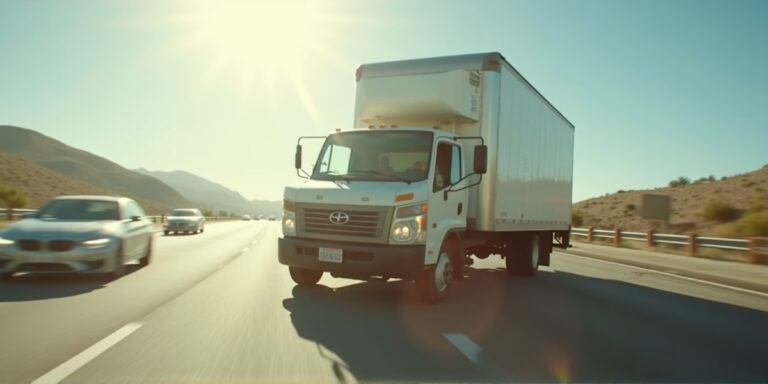
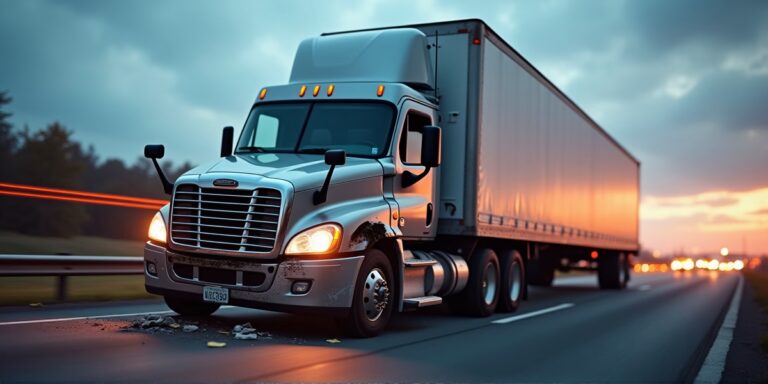
Truck blind spots are significantly larger than those of passenger vehicles, creating dangerous conditions on our highways. These areas are obscured from the driver’s direct line of sight, and even with mirrors, complete visibility isn’t guaranteed. Understanding how these blind spots form and the legal implications when they cause an accident is crucial for anyone injured in a collision with a commercial truck.
The sheer size of a tractor-trailer contributes to extensive blind spots on all sides. Drivers rely heavily on mirrors, but these don’t eliminate the risk. Accidents often occur when a smaller vehicle attempts to pass or merge alongside a truck, entering a zone the driver cannot see. Determining liability in these cases requires a thorough investigation, focusing on driver negligence, company practices, and adherence to federal safety regulations.
As a personal injury attorney with over 13 years of experience practicing in San Diego, I’ve handled numerous truck accident cases. I was trained by a former insurance defense attorney, giving me intimate knowledge of how insurance companies evaluate, devalue, and deny claims. This insight allows me to build strong cases on behalf of my clients, ensuring they receive the compensation they deserve.
What factors contribute to truck blind spots?
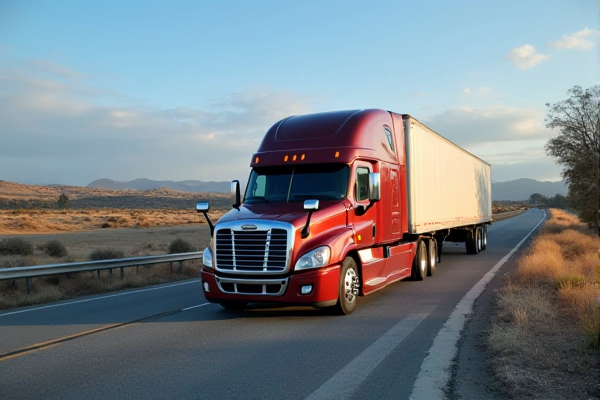
Several factors combine to create the large blind spots around commercial trucks. The most significant is the truck’s size and height. The trailer itself obstructs the driver’s view, particularly to the sides and rear. Additionally, the shape of the truck and the placement of the cab contribute to these obscured areas. Weather conditions, such as rain, fog, or darkness, can further reduce visibility, exacerbating the risk.
It’s important to understand that truck drivers are required to check their blind spots before changing lanes or merging. However, even diligent drivers can miss vehicles, especially in congested traffic. The Federal Motor Carrier Safety Administration (FMCSA) provides guidelines for mirror placement and blind spot awareness, but these don’t always prevent accidents.
How can I prove a truck driver was negligent in a blind spot accident?
Proving negligence in a truck blind spot accident often requires gathering substantial evidence. This includes the police report, witness statements, and any available video footage, such as dashcam recordings or surveillance camera images. Crucially, we look for evidence that the driver failed to properly check their blind spots before making a maneuver. This can be established through the driver’s logbook, Electronic Logging Device (ELD) data, and testimony from the driver themselves.
Expert reconstruction can also be vital. An accident reconstructionist can analyze the scene, vehicle damage, and other factors to determine the driver’s line of sight and whether they should have been able to see your vehicle. In San Diego, we often utilize independent experts to provide unbiased assessments of these complex cases.
What role do trucking company practices play in blind spot accidents?
Trucking companies have a responsibility to ensure their drivers are properly trained and equipped to operate their vehicles safely. This includes comprehensive training on blind spot awareness, mirror usage, and safe merging and lane-changing procedures. Companies are also responsible for maintaining their vehicles in good working order, ensuring mirrors are clean and properly adjusted. If a company fails to adequately train its drivers or maintain its fleet, it can be held liable for resulting accidents.
Furthermore, companies that pressure drivers to meet unrealistic deadlines can contribute to blind spot accidents. When drivers are rushed, they may be more likely to take risks, such as failing to properly check their blind spots. We often investigate company policies and driver schedules to uncover evidence of such practices.
What damages can I recover in a truck blind spot accident case?
If you’ve been injured in a truck blind spot accident, you may be entitled to recover a range of damages. This includes medical expenses, both past and future, lost wages, and pain and suffering. You may also be able to recover compensation for property damage, emotional distress, and loss of enjoyment of life. In some cases, punitive damages may be awarded if the trucking company’s conduct was particularly egregious.
Calculating the full extent of your damages requires a thorough assessment of your injuries, medical treatment, and long-term prognosis. It’s crucial to work with an attorney who understands the complexities of truck accident litigation and can effectively advocate for your rights.
What is the statute of limitations for filing a truck accident claim in California?
In California, you generally have **two years** from the date of the truck accident to file a lawsuit. Because trucking companies often begin evidence destruction (like purging ELD data) as soon as the law allows, immediate filing is critical to preserve the integrity of the claim. CCP § 335.1 outlines these deadlines.
What should I do if a government vehicle was involved in the accident?
If a truck accident involves a government-owned vehicle or a dangerous road condition maintained by a public entity, a formal administrative claim **MUST** be presented within **6 months** (180 days). Failure to meet this strict deadline under the Government Tort Claims Act can result in the permanent loss of your right to recover. Gov. Code § 911.2 details these requirements.
How does California’s ABC test affect liability in delivery truck accidents?
California’s ‘ABC test’ determines if a delivery driver (Amazon/FedEx) is an employee or contractor. Even if labeled a ‘contractor,’ a company may be liable if they exercise control over the driver’s work, a key factor in San Diego delivery truck litigation. Labor Code § 2775 provides the legal framework for this determination.
What is vicarious liability, and how does it apply to trucking companies?
Under the doctrine of **vicarious liability** (respondeat superior), a principal is responsible to third persons for the negligence of their agent in the transaction of business. This holds the trucking company legally liable for the wrongful acts of its drivers committed within the scope of their employment. Civ. Code § 2338 explains this legal principle.
What are the speed limits for commercial trucks in California?
In California, commercial trucks (including semi-tractors with three or more axles) are strictly prohibited from exceeding **55 miles per hour** on any highway. In San Diego freeway crashes, proving a violation of this speed limit is a primary tool for establishing statutory negligence. CVC § 22406 defines these speed restrictions.