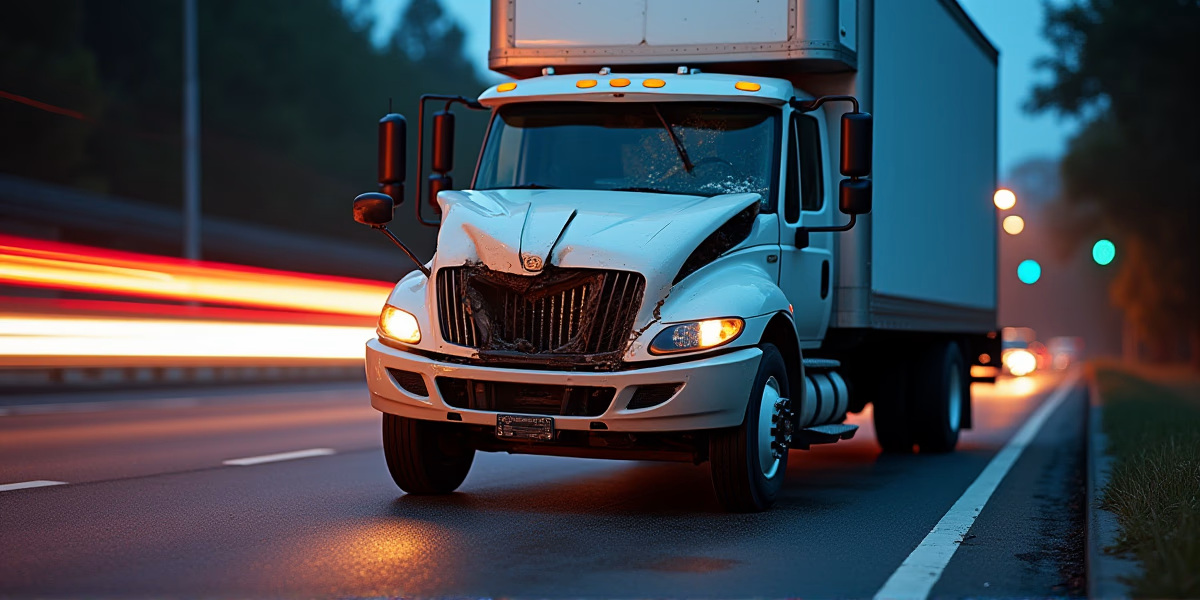
What Should I Do After A Truck Crash In Vista?

The immediate aftermath of a truck crash can be incredibly disorienting. Unlike a collision with another passenger vehicle, accidents involving commercial trucks often involve complex insurance policies, federal regulations, and potentially multiple liable parties. It’s crucial to understand your rights and take specific steps to protect your claim. As a personal injury attorney practicing in San Diego for over 13 years, I’ve seen firsthand how quickly insurance companies attempt to minimize payouts and shift blame. I was trained by a former insurance defense attorney, giving me intimate knowledge of how these companies evaluate, devalue, and deny claims.
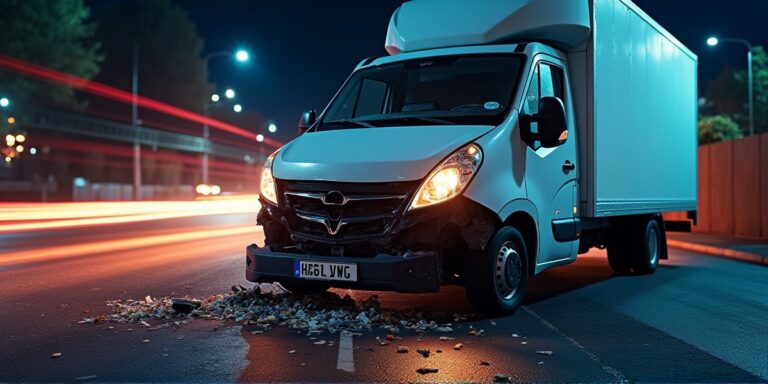
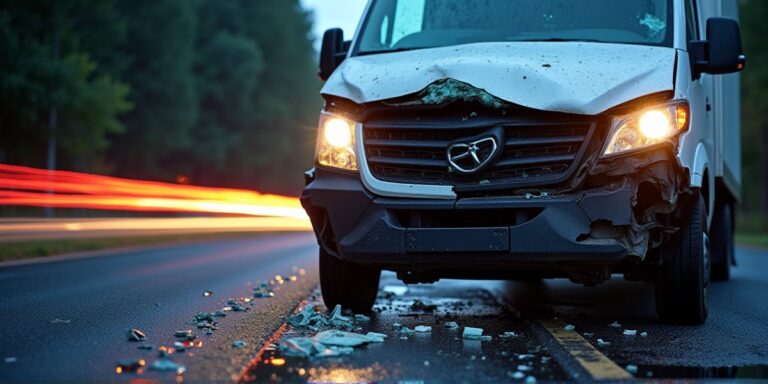
One of the first things I advise clients to do is secure the scene, if possible. This means ensuring your safety and the safety of others involved. If you’re able, document the accident with photos and videos of the truck, the damage to all vehicles, and the surrounding area. Obtain contact information from the truck driver, any witnesses, and the responding law enforcement officers. Most importantly, seek immediate medical attention, even if you don’t feel seriously injured. Some injuries, like traumatic brain injuries, may not be immediately apparent.
What types of evidence are important in a Vista truck crash case?
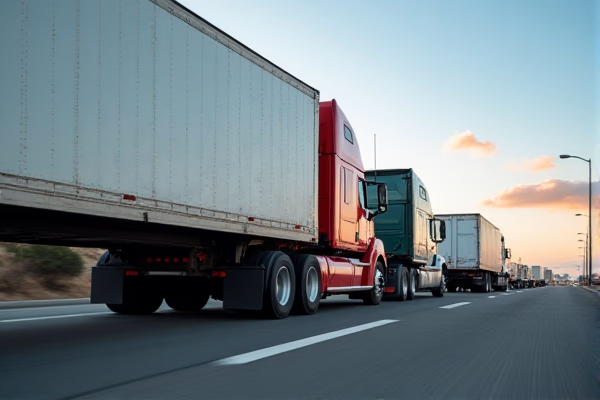
Gathering comprehensive evidence is paramount in a truck accident claim. Beyond the basic police report and witness statements, focus on obtaining the truck driver’s logbooks (Electronic Logging Device data), the truck’s maintenance records, and any available dashcam footage. These records can reveal critical information about driver fatigue, potential mechanical issues, and adherence to federal safety regulations. Preserving this evidence is vital, as trucking companies often have policies to destroy data shortly after an accident.
Furthermore, consider the type of cargo the truck was carrying. If the cargo was improperly secured and contributed to the accident, that adds another layer of potential liability. Expert reconstruction analysis can also be invaluable in determining the cause of the crash and establishing fault.
What is the statute of limitations for filing a truck accident lawsuit in California?
In California, you have a limited time to file a lawsuit after a truck accident. According to CCP § 335.1, you generally have **two years** from the date of the accident to initiate legal proceedings. Because trucking companies often begin evidence destruction (like purging ELD data) as soon as the law allows, immediate filing is critical to preserve the integrity of the claim.
It’s important to note that this timeframe can be complex, especially if the accident involved a government vehicle or roadway defect. In those cases, you may have a significantly shorter window to file a formal administrative claim, which is a prerequisite to a lawsuit.
How does the size of the truck impact my claim?
The sheer size and weight of commercial trucks significantly increase the potential for severe injuries and property damage. This often translates to larger claims, but it also means dealing with more sophisticated insurance companies and legal teams. Trucking companies are required to carry higher levels of insurance coverage than passenger vehicles, but obtaining a fair settlement requires a thorough understanding of the applicable policy limits and the available coverage sources.
Furthermore, the Federal Motor Carrier Safety Administration (FMCSA) regulations impose strict safety standards on trucking companies. Violations of these regulations, such as improper driver training or inadequate maintenance, can be used to establish negligence and strengthen your claim.
What if the truck driver was an independent contractor, not a direct employee of the trucking company?
Determining the employment status of the truck driver is a critical aspect of many truck accident cases. California’s ‘ABC test’ determines if a delivery driver (Amazon/FedEx) is an employee or contractor. Even if labeled a ‘contractor,’ a company may be liable if they exercise control over the driver’s work, a key factor in San Diego delivery truck litigation. If the driver was improperly classified as an independent contractor, the trucking company may still be held liable for their negligence under the doctrine of vicarious liability.
This is a complex legal issue that requires careful investigation and analysis. We often consult with employment law specialists to ensure a proper determination of the driver’s status and the potential liability of all parties involved.
What should I expect during the claims process with a trucking company’s insurance?
The claims process with a trucking company’s insurance carrier is often far more challenging than dealing with a standard auto insurance claim. Insurance adjusters are trained to minimize payouts and may employ various tactics to undervalue your claim. They may attempt to obtain recorded statements without your attorney present, dispute the extent of your injuries, or argue that you were partially at fault for the accident.
It’s crucial to avoid giving any recorded statements to the insurance company without first consulting with an attorney. They are looking for information they can use against you, and anything you say can be used to weaken your case. I strongly advise clients to let me handle all communication with the insurance company on their behalf.
What if the truck accident involved a government vehicle or a dangerous road condition?
If a truck accident involves a government-owned vehicle or a dangerous road condition maintained by a public entity, a formal administrative claim **MUST** be presented within **6 months** (180 days). Failure to meet this strict deadline under the Government Tort Claims Act can result in the permanent loss of your right to recover. This claim must be filed with the specific government agency responsible for the vehicle or roadway.
The process of filing a government claim can be complex and requires strict adherence to specific procedures and documentation requirements. It’s essential to consult with an attorney experienced in handling claims against public entities to ensure your claim is properly filed and processed.
What if I have medical liens after my truck accident?
Following a truck accident, you may receive medical bills from various providers, including hospitals, doctors, and physical therapists. These providers may place a lien on your settlement to ensure they are compensated for their services. Medical liens can significantly reduce the amount of money you ultimately receive from your claim.
Negotiating medical liens is a critical aspect of the claims process. I have extensive experience working with medical providers to reduce lien amounts and protect my clients’ financial interests. We can explore various strategies, such as Medicare/Medicaid subrogation rights and potential discounts, to minimize the impact of liens on your recovery.
What if the insurance company claims I was partially at fault for the accident?
Insurance companies often employ comparative fault tactics to reduce their liability in truck accident cases. They may argue that you were speeding, distracted driving, or failed to yield the right-of-way, contributing to the accident. California’s ‘pure’ comparative fault system applies to trucking claims. Even if a truck driver argues you shared responsibility, you can still recover damages; however, your total compensation will be reduced by your percentage of fault.
It’s crucial to gather evidence to refute these claims and establish the truck driver’s negligence. This may involve obtaining witness statements, reviewing police reports, and conducting accident reconstruction analysis.
What is UM/UIM coverage and how does it apply to truck accident cases?
Uninsured/Underinsured Motorist (UM/UIM) coverage protects you if you’re involved in an accident with a truck driver who is uninsured or doesn’t have sufficient insurance coverage to compensate you for your injuries. This coverage is part of your own auto insurance policy and can provide valuable financial protection in certain situations.
UM/UIM arbitration procedures (insured’s own policy) can be complex and require strict adherence to specific deadlines and procedures. I have extensive experience handling UM/UIM claims and can guide you through the arbitration process to maximize your recovery.
How important is preserving evidence after a truck accident?
Evidence preservation and documentation timelines (spoliation letters, data overwrite windows) are critical in truck accident cases. Trucking companies often have policies to destroy data shortly after an accident, including ELD data, maintenance records, and dashcam footage. It’s essential to send a spoliation letter to the trucking company immediately after the accident, demanding that they preserve all relevant evidence.
Failure to preserve evidence can have serious consequences for your claim. I work with investigators to gather and preserve all available evidence as quickly as possible to protect my clients’ rights.