What Should I Do If An Amazon Delivery Truck Hits My Car In San Diego?

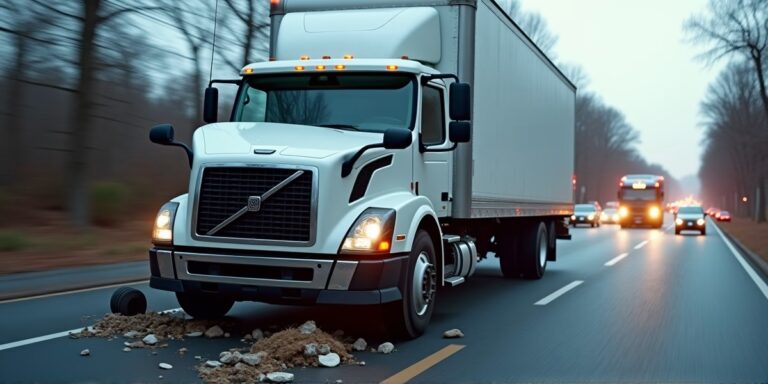
Dealing with an Amazon delivery truck accident is unlike a typical car crash. Amazon utilizes a complex network of independent contractors and third-party delivery partners, which can muddy the waters when determining liability. It’s crucial to understand that Amazon isn’t always directly responsible, but they often bear indirect responsibility through their relationships with these companies. The first step is to gather as much information as possible at the scene, if you are physically able to do so. This includes the driver’s information, the delivery company’s details, the truck’s license plate number, and any available photos or videos of the accident.
However, simply collecting this information isn’t enough. Amazon’s insurance adjusters are skilled at minimizing payouts, and they will likely begin an investigation immediately. They may attempt to contact you directly, offering a quick settlement that doesn’t fully cover your damages. Accepting this initial offer could prevent you from recovering the full compensation you deserve. It’s vital to protect your rights by consulting with an attorney experienced in handling claims against Amazon and its delivery network.
For over 13 years, I’ve practiced personal injury law in San Diego, and I’ve seen firsthand how insurance companies evaluate, devalue, and deny legitimate claims. Having been trained by a former insurance defense attorney, I possess intimate knowledge of their tactics and strategies. This allows me to build a strong case on your behalf, ensuring that you receive the maximum compensation possible for your injuries, vehicle damage, and other losses.
What types of damages can I recover after an Amazon delivery truck accident?
In San Diego, you may be entitled to recover a wide range of damages following an accident with an Amazon delivery truck. These damages can be categorized as economic and non-economic. Economic damages include quantifiable losses such as medical expenses (past and future), lost wages, property damage (vehicle repair or replacement), and other out-of-pocket costs related to the accident. Non-economic damages, on the other hand, are more subjective and include compensation for pain and suffering, emotional distress, and loss of enjoyment of life.
Furthermore, if the accident resulted in a permanent disability or disfigurement, you may be eligible for additional compensation. It’s important to meticulously document all your losses, including medical bills, pay stubs, and repair estimates, to support your claim. An experienced attorney can help you identify all potential damages and gather the necessary evidence to maximize your recovery.
Successfully recovering these damages often hinges on establishing liability. This can be complex, as it may involve proving negligence on the part of the driver, the delivery company, or even Amazon itself. Factors such as driver fatigue, improper vehicle maintenance, and inadequate training can all contribute to a claim of negligence.
How does California’s comparative fault rule affect my Amazon truck accident claim?
California operates under a ‘pure’ comparative fault system, meaning you can recover damages even if you were partially at fault for the accident. However, your compensation will be reduced by your percentage of fault. For example, if you are found to be 20% responsible for the accident, your total recovery will be reduced by 20%. This is why it’s crucial to have a thorough investigation conducted to accurately determine the cause of the accident and the respective fault of each party. Civ. Code § 1714 outlines the principles of comparative negligence in California.
Amazon’s insurance adjusters will often attempt to assign a higher percentage of fault to you, in order to minimize their payout. They may scrutinize your driving record, witness statements, and the accident report to find any evidence that supports their claim. An attorney can counter these arguments by presenting evidence that demonstrates your lack of negligence or minimizes your contribution to the accident.
Establishing your percentage of fault requires a detailed analysis of the accident circumstances. This may involve reconstructing the accident scene, obtaining expert testimony, and gathering evidence from witnesses. It’s essential to work with an attorney who has experience in handling comparative fault cases and can effectively advocate for your rights.
What if the Amazon driver was working as an independent contractor?
Amazon frequently utilizes independent contractors for its delivery services, which can complicate the process of determining liability. While Amazon may argue that they are not responsible for the actions of their independent contractors, this is not always the case. California’s ‘ABC test’ determines if a delivery driver is an employee or contractor. Even if labeled a ‘contractor,’ a company may be liable if they exercise control over the driver’s work. Labor Code § 2775 provides the framework for this determination.
Factors such as the level of control Amazon exerts over the driver’s schedule, routes, and delivery methods can all indicate an employer-employee relationship. If the driver is found to be an employee, Amazon is directly liable for their negligence. Even if the driver is considered an independent contractor, Amazon may still be held liable under the doctrine of negligent hiring or supervision if they failed to adequately vet the driver’s background or provide proper training.
Determining the employment status of the driver requires a careful examination of the relationship between Amazon and the delivery company. An attorney can investigate these factors and build a strong case to establish Amazon’s liability, regardless of the driver’s classification.
How long do I have to file a lawsuit after an Amazon delivery truck accident in California?
In California, you have a limited amount of time to file a lawsuit after a truck accident. The statute of limitations for personal injury claims is generally **two years** from the date of the accident. CCP § 335.1 outlines this timeframe. However, because trucking companies often begin evidence destruction (like purging ELD data) as soon as the law allows, immediate filing is critical to preserve the integrity of the claim.
Failing to file a lawsuit within this two-year window will result in the permanent loss of your right to recover compensation. It’s important to note that the statute of limitations may be different for certain types of claims, such as claims against a government entity. Therefore, it’s crucial to consult with an attorney as soon as possible after the accident to ensure that your rights are protected.
Don’t delay in seeking legal counsel. The sooner you contact an attorney, the sooner they can begin investigating your claim and gathering the necessary evidence to build a strong case. This includes preserving evidence, interviewing witnesses, and obtaining police reports.
What should I do if Amazon’s insurance adjuster contacts me?
If Amazon’s insurance adjuster contacts you after the accident, it’s crucial to exercise caution. While they may appear friendly and helpful, their primary goal is to minimize their payout. Avoid making any statements about the accident without first consulting with an attorney. They may attempt to record your statement, which can be used against you later in the claim process.
Politely decline to provide any information and refer them to your attorney. It’s also important to avoid signing any documents or authorizations without first reviewing them with legal counsel. Amazon’s insurance adjusters may attempt to obtain medical releases, which would allow them access to your private medical records.
Let an experienced attorney handle all communication with the insurance adjuster. They can protect your rights and ensure that you are not taken advantage of. Remember, you are not obligated to cooperate with the insurance adjuster, and you have the right to seek legal representation.