What Should I Do Immediately After A Truck Accident In San Diego?

As a personal injury attorney practicing in San Diego for over 13 years, I’ve seen firsthand the chaos and complexity that follows a truck accident. The immediate aftermath is critical, and the steps you take—or don’t take—can significantly impact your ability to recover fair compensation. Unlike a typical car accident, truck accidents involve large corporations, complex regulations, and aggressive insurance defense tactics. I’ve been trained by former insurance defense attorneys, giving me intimate knowledge of how these companies evaluate, devalue, and deny claims.
The first thing to understand is that the trucking company’s insurance adjuster is already working. They are not on your side. Their goal is to minimize their payout, and they will begin building their defense immediately. This means gathering information, interviewing witnesses, and potentially contacting you directly. Do not speak to them without legal counsel. Anything you say can and will be used against you.
What are the first steps I should take at the scene of the accident?
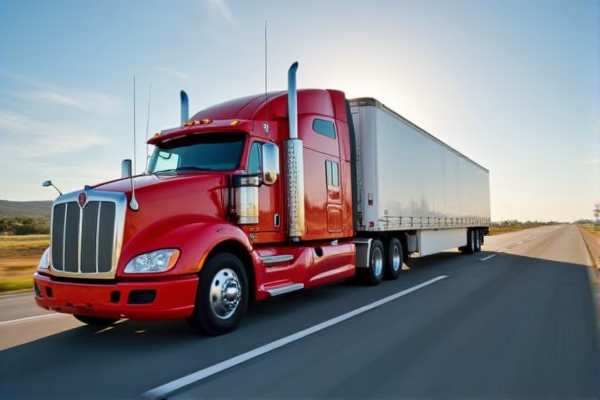
Prioritize your safety first. If possible, move your vehicle to a safe location away from traffic. Then, call 911 to report the accident and request medical attention, even if you don’t feel immediately injured. Adrenaline can mask serious injuries. Once law enforcement arrives, cooperate fully, but limit your statements to the facts of the accident. Do not speculate or admit fault. Obtain the officer’s report number and contact information. Crucially, document everything. Use your phone to take photos of the damage to all vehicles involved, the accident scene, and any visible injuries. If there are witnesses, get their names and contact information.
How do I deal with the insurance company after a truck accident?
As I mentioned, avoid direct contact with the insurance company. Refer them to your attorney. They will likely request a recorded statement. Do not provide one. Insurance companies use these statements to find loopholes and inconsistencies that can devalue your claim. They will also ask for medical authorizations. While you are legally obligated to provide some medical information, your attorney can ensure this is done strategically to protect your rights. Be wary of quick settlement offers. These are often designed to release you from any further claims before the full extent of your damages is known.
What types of damages can I recover in a San Diego truck accident case?
Truck accident damages extend far beyond medical bills. You can recover compensation for medical expenses (past and future), lost wages, property damage, pain and suffering, emotional distress, and loss of enjoyment of life. In some cases, you may also be entitled to punitive damages if the truck driver or company acted with gross negligence. It’s essential to have an attorney who understands the full scope of these damages and can accurately calculate their value. We have successfully litigated cases involving complex injuries, long-term care needs, and significant economic losses throughout San Diego.
What if the truck driver was working for a company at the time of the accident?
Under the doctrine of Civ. Code § 2338, the trucking company can be held liable for the negligence of its drivers. This is known as vicarious liability, or respondeat superior. The company has a duty to properly hire, train, and supervise its drivers. If they failed to do so, they may be directly liable for your injuries. This means pursuing a claim against both the driver and the company, maximizing your potential for recovery.
How long do I have to file a lawsuit after a truck accident in California?
California law provides a **two-year** window from the date of the truck accident to file a lawsuit. Because trucking companies often begin evidence destruction (like purging ELD data) as soon as the law allows, immediate filing is critical to preserve the integrity of the claim. Don’t delay seeking legal representation. The statute of limitations can be complex, and missing the deadline can result in the permanent loss of your right to sue.
What should I do if the accident involved a government vehicle or a roadway defect?
If a truck accident involves a government-owned vehicle or a dangerous road condition maintained by a public entity, a formal administrative claim **MUST** be presented within **6 months** (180 days). Failure to meet this strict deadline under the Government Tort Claims Act can result in the permanent loss of your right to recover. These claims have specific requirements and are often denied initially, making legal assistance essential.
What if the driver was classified as an independent contractor, not an employee?
California’s ‘ABC test’ determines if a delivery driver (Amazon/FedEx) is an employee or contractor. Even if labeled a ‘contractor,’ a company may be liable if they exercise control over the driver’s work, a key factor in San Diego delivery truck litigation. Determining employment status can be complex, requiring a thorough investigation of the driver’s working conditions and the company’s level of control.
What if I have already given a recorded statement to the insurance company?
If you have already provided a recorded statement, don’t panic. An experienced attorney can review the statement and assess any potential damage. We can often mitigate the negative impact of a prior statement by gathering additional evidence and challenging the insurance company’s interpretation of your words. It’s crucial to have a legal professional on your side to protect your interests.
What role does dashcam footage or electronic logging device (ELD) data play in a truck accident case?
Dashcam footage and ELD data are invaluable pieces of evidence in truck accident cases. Dashcam footage can provide a clear visual record of the accident, establishing fault and identifying contributing factors. ELD data reveals the driver’s hours of service, proving or disproving fatigue. Preserving this evidence is critical, as trucking companies may attempt to alter or destroy it. We have experience obtaining and analyzing this data to build a strong case on your behalf.
What if I have workers’ compensation benefits for my injuries?
If a commercial driver is injured on the job in San Diego, they are entitled to workers’ compensation. However, workers’ compensation is generally the **exclusive remedy** against the employer. Separate personal injury claims are typically limited to **negligent third parties** who are not the employer. It’s important to understand your rights and options under both workers’ compensation and personal injury law.