
When Should I Contact A Truck Accident Lawyer?

The question of when to contact a truck accident lawyer is one I hear frequently. The simple answer is: as soon as possible. While you can technically file a claim on your own, trucking companies have vast resources and experienced legal teams dedicated to minimizing payouts. They begin building their defense immediately after an accident, and you need an advocate working for *you* to level the playing field.
Many people mistakenly believe they need to wait until they’ve “fully recovered” before contacting an attorney. This is a critical error. Evidence disappears, witnesses’ memories fade, and the trucking company’s investigation solidifies. The sooner you involve legal counsel, the better your chances of preserving vital information and securing a favorable outcome. I’ve seen too many cases where a delayed response allowed the insurance company to control the narrative and devalue legitimate claims.
I’ve been practicing personal injury law in San Diego for over 13 years, and I was trained by a former insurance defense attorney. This unique background gives me intimate knowledge of how insurance companies evaluate, devalue, and deny claims. I understand their tactics and know how to effectively counter them. I can help you navigate the complex legal process, gather evidence, and protect your rights.
What types of injuries justify contacting a truck accident lawyer?
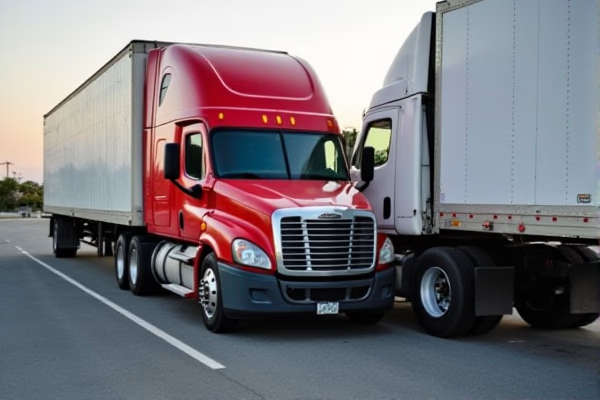
Any injury resulting from a truck accident warrants a consultation with an attorney. While severe injuries like traumatic brain injuries, spinal cord damage, and broken bones are obvious reasons to seek legal help, even seemingly minor injuries can have long-term consequences. Soft tissue injuries, whiplash, and concussions can require extensive treatment and rehabilitation. Furthermore, the emotional trauma associated with a truck accident can be significant and deserve compensation.
The severity of the injury isn’t the only factor. If you’re experiencing ongoing pain, require medical treatment, or are unable to work, you should consult with an attorney. Even if you’re unsure whether your injuries are significant enough, it’s always best to err on the side of caution and seek legal advice.
What if the truck driver admitted fault at the scene?
While a driver’s admission of fault is helpful, it’s not a guarantee of a successful claim. Insurance companies will still investigate the accident and may attempt to dispute liability. They may argue that the driver’s statement was inaccurate, coerced, or made without full knowledge of the facts. An attorney can help you gather additional evidence to support your claim and ensure that the driver’s admission is properly documented and presented.
It’s important to remember that insurance adjusters are trained to minimize payouts. They may try to downplay the driver’s fault or offer a settlement that doesn’t fully compensate you for your damages. Having an attorney on your side can protect you from these tactics and ensure you receive a fair settlement.
How long do I have to file a lawsuit after a truck accident?
In California, you generally have **two years** from the date of the truck accident to file a lawsuit. Because trucking companies often begin evidence destruction (like purging ELD data) as soon as the law allows, immediate filing is critical to preserve the integrity of the claim. This is outlined in CCP § 335.1.
However, there are exceptions to this rule. For example, if the accident involved a government-owned vehicle or a dangerous road condition, the filing deadline may be significantly shorter. It’s crucial to consult with an attorney as soon as possible to understand your specific deadline and ensure that your claim is filed on time.
What types of damages can I recover in a truck accident claim?
You may be entitled to recover a wide range of damages in a truck accident claim, including medical expenses (past and future), lost wages, pain and suffering, emotional distress, and property damage. In some cases, you may also be able to recover punitive damages if the truck driver or trucking company acted with gross negligence.
Calculating the full extent of your damages can be complex. An attorney can help you gather evidence to support your claim, including medical records, wage statements, and expert testimony. They can also negotiate with the insurance company to ensure you receive a fair settlement that covers all of your losses.
What should I do if the insurance company contacts me?
Do not speak with the insurance company without first consulting with an attorney. Insurance adjusters are skilled negotiators and will likely attempt to minimize your claim. They may ask you questions designed to undermine your case or obtain information that can be used against you. Politely decline their request for a statement and refer them to your attorney.
It’s also important to avoid signing any documents or agreeing to any settlements without first reviewing them with an attorney. Once you sign a release, you may be unable to pursue further compensation for your injuries.
What if the truck accident involved a government vehicle or roadway defect?
If a truck accident involves a government-owned vehicle or a dangerous road condition maintained by a public entity, a formal administrative claim **MUST** be presented within **6 months** (180 days). Failure to meet this strict deadline under the Government Tort Claims Act can result in the permanent loss of your right to recover. This is detailed in Gov. Code § 911.2.
These claims have specific requirements and procedures that must be followed carefully. An attorney can help you prepare and file the claim on time and ensure that it meets all of the necessary legal standards. Navigating these claims can be particularly challenging, so it’s essential to have experienced legal counsel on your side.
What is the “ABC test” and how does it relate to truck accident claims?
California’s ‘ABC test’ determines if a delivery driver (Amazon/FedEx) is an employee or contractor. Even if labeled a ‘contractor,’ a company may be liable if they exercise control over the driver’s work, a key factor in San Diego delivery truck litigation. This is outlined in Labor Code § 2775.
Determining employment status can be complex, and the consequences can be significant. If the driver is classified as an employee, the trucking company may be liable for their negligence under the doctrine of vicarious liability. An attorney can help you investigate the driver’s employment status and determine the best course of action.
What is vicarious liability and how does it apply to trucking companies?
Under the doctrine of **vicarious liability** (respondeat superior), a principal is responsible to third persons for the negligence of their agent in the transaction of business. This holds the trucking company legally liable for the wrongful acts of its drivers committed within the scope of their employment. This is established in Civ. Code § 2338.
Establishing vicarious liability requires proving that the driver was acting within the scope of their employment at the time of the accident. This can involve examining the driver’s job duties, work schedule, and the company’s policies and procedures. An attorney can help you gather evidence to support your claim and demonstrate that the trucking company is liable for the driver’s negligence.
What are the speed limit laws for commercial trucks in California?
In California, commercial trucks (including semi-tractors with three or more axles) are strictly prohibited from exceeding **55 miles per hour** on any highway. In San Diego freeway crashes, proving a violation of this speed limit is a primary tool for establishing statutory negligence. This is defined in CVC § 22406.
Speed limit violations can be proven through various sources of evidence, including the truck’s Event Data Recorder (EDR), dashcam footage, and witness testimony. An attorney can help you obtain and analyze this evidence to establish the driver’s negligence.