Who Is Liable After A U Haul Accident?

Determining liability after a U-Haul accident can be surprisingly complex. Unlike accidents involving individual drivers, U-Haul accidents often involve multiple potential parties. While the driver is often at fault, U-Haul itself, or even a third-party maintenance company, could share responsibility. It’s crucial to understand these nuances to protect your rights and ensure you receive the compensation you deserve.
One of the first considerations is whether the driver was acting as an employee or an independent contractor. U-Haul frequently utilizes both. If the driver was an employee, U-Haul is generally liable for their negligence under the doctrine of respondeat superior, meaning the company is responsible for the actions of its employees. However, if the driver was an independent contractor, establishing liability becomes more challenging.
I’ve spent over 13 years representing clients in San Diego injured in truck accidents, and I’ve seen firsthand how insurance companies attempt to minimize payouts in these cases. Trained by a former insurance defense attorney, I have intimate knowledge of how they evaluate, devalue, and deny claims. This experience allows me to anticipate their tactics and build a strong case on your behalf.
What factors determine liability in a U-Haul accident?
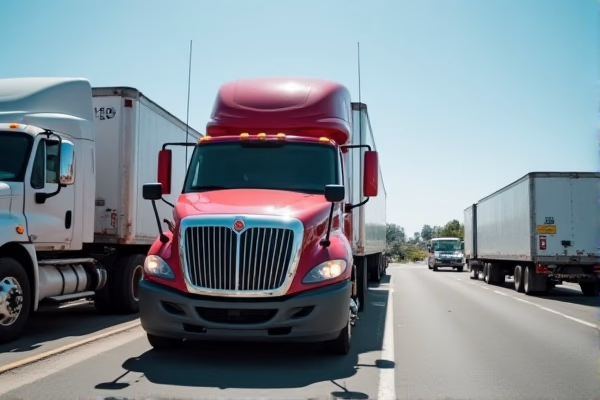
Several factors come into play when determining liability in a U-Haul accident. These include the driver’s negligence – were they speeding, distracted, or impaired? – but also the condition of the U-Haul truck itself. Was the truck properly maintained? Were there any known mechanical defects? Evidence such as police reports, witness statements, and the truck’s maintenance records are vital in establishing fault.
Furthermore, the actions of U-Haul itself are scrutinized. Did they adequately screen and train their drivers? Did they follow proper safety protocols? If U-Haul was negligent in any of these areas, they could be held liable for your injuries, even if the driver wasn’t directly at fault.
Another critical aspect is whether the driver violated any traffic laws or federal regulations. In California, commercial trucks are subject to strict rules regarding speed limits, hours of service, and vehicle inspections. Violations of these regulations can be used as evidence of negligence.
Can I sue U-Haul directly after an accident?
Yes, you can sue U-Haul directly, but it’s often more complex than suing an individual driver. You’ll need to establish a legal basis for your claim, such as negligence on the part of U-Haul or its employees. This requires gathering substantial evidence and presenting a compelling case to the court.
It’s important to remember that U-Haul has significant resources at its disposal and will likely defend itself vigorously. Having an experienced attorney on your side is crucial to level the playing field and ensure your rights are protected. We can investigate the accident thoroughly, gather evidence, and build a strong case on your behalf.
Often, the initial response from U-Haul’s insurance company will be to downplay the severity of your injuries and offer a low settlement. Don’t accept the first offer without consulting with an attorney. We can evaluate the offer and negotiate a fair settlement that covers all of your damages, including medical expenses, lost wages, and pain and suffering.
What if the U-Haul driver was an independent contractor?
If the U-Haul driver was an independent contractor, establishing liability becomes more challenging, but not impossible. You’ll need to demonstrate that U-Haul exercised a significant degree of control over the driver’s work. This could include dictating their schedule, providing specific instructions, or requiring them to use U-Haul equipment.
California’s ‘ABC test’ determines if a delivery driver (Amazon/FedEx) is an employee or contractor. Even if labeled a ‘contractor,’ a company may be liable if they exercise control over the driver’s work, a key factor in San Diego delivery truck litigation. We will investigate the relationship between U-Haul and the driver to determine if they were truly an independent contractor or if U-Haul exerted enough control to be considered an employer.
Even if U-Haul isn’t directly liable, the independent contractor may have their own insurance policy that covers your damages. We can investigate the driver’s insurance coverage and pursue a claim against their policy.
What types of damages can I recover after a U-Haul accident?
You may be entitled to recover a variety of damages after a U-Haul accident, including medical expenses, lost wages, property damage, and pain and suffering. You can also seek compensation for future medical expenses and lost earnings if your injuries are long-term.
In some cases, you may also be able to recover punitive damages if U-Haul’s conduct was particularly egregious, such as knowingly hiring an unfit driver or failing to maintain their trucks properly. We will thoroughly assess your damages and fight to ensure you receive the maximum compensation you deserve.
It’s important to document all of your damages carefully, including medical bills, pay stubs, and repair estimates. We can help you gather this documentation and present it to the insurance company.
How long do I have to file a claim after a U-Haul accident?
In California, you generally have **two years** from the date of the truck accident to file a lawsuit. Because trucking companies often begin evidence destruction (like purging ELD data) as soon as the law allows, immediate filing is critical to preserve the integrity of the claim. This is especially important in U-Haul accidents, as they may have multiple potential sources of evidence.
Don’t delay in seeking legal counsel. The sooner you contact an attorney, the sooner we can begin investigating your claim and protecting your rights. We can handle all of the legal complexities and ensure you meet all of the necessary deadlines.
Waiting too long to file a claim can result in the loss of your right to recover compensation. We will ensure your claim is filed timely and properly to maximize your chances of success.
What should I do if a U-Haul truck driver asks me to sign a recorded statement?
If a U-Haul truck driver or their insurance representative asks you to sign a recorded statement, politely decline. Insurance companies often use recorded statements to minimize payouts and find loopholes to deny your claim. They are skilled at asking leading questions and twisting your words to their advantage.
Instead, refer them to your attorney. We can handle all communication with the insurance company and ensure your rights are protected. We will advise you on whether or not to provide a statement and, if so, how to do so safely and effectively.
Remember, you are not obligated to provide a statement to the insurance company. In fact, it’s generally best to avoid doing so without legal counsel.
What happens if I have medical liens after a U-Haul accident?
Medical liens are claims placed on your settlement by healthcare providers who have treated you for your injuries. These liens must be resolved before you can receive your full compensation. We can negotiate with healthcare providers to reduce the amount of your liens and ensure they are paid fairly.
ER billing vs. medical liens can be a complex issue. Often, emergency room bills are significantly higher than the actual cost of treatment. We can challenge these bills and negotiate a more reasonable amount. We have extensive experience dealing with medical liens and will work to protect your financial interests.
We will thoroughly review your medical bills and liens and develop a strategy to resolve them efficiently and effectively.
What if the accident involved a government-owned U-Haul truck or a dangerous road condition?
If a truck accident involves a government-owned vehicle or a dangerous road condition maintained by a public entity, a formal administrative claim **MUST** be presented within **6 months** (180 days). Failure to meet this strict deadline under the Government Tort Claims Act can result in the permanent loss of your right to recover. This is a critical deadline that must be met.
We have experience filing government claims and can ensure your claim is properly prepared and submitted on time. We will investigate the accident thoroughly and gather evidence to support your claim.
Don’t delay in seeking legal counsel if your accident involved a government entity. The deadlines are strict, and missing them can have devastating consequences.
What if the insurance company makes a policy limits tender?
A policy limits tender is an offer from the insurance company to settle your claim for the maximum amount of their policy. While it may seem like a generous offer, it’s important to carefully consider whether it adequately compensates you for all of your damages.
Policy limits tenders (primary and excess layers) often occur when the insurance company believes your claim is worth more than their policy limits. They may be hoping you’ll accept the offer without pursuing further legal action. We can evaluate the offer and advise you on whether or not to accept it.
We can also investigate whether there are other potential sources of recovery, such as excess insurance policies or other responsible parties.
How does comparative fault affect my U-Haul accident claim?
California’s ‘pure’ comparative fault system applies to trucking claims. Even if a truck driver argues you shared responsibility, you can still recover damages; however, your total compensation will be reduced by your percentage of fault.
The insurance company may attempt to argue that you were partially at fault for the accident, such as speeding, distracted driving, or failing to yield. We will investigate the accident thoroughly and gather evidence to refute their claims.
We will fight to minimize your percentage of fault and ensure you receive the maximum compensation you deserve.