What If A Moving Truck Causes An Accident In San Diego?

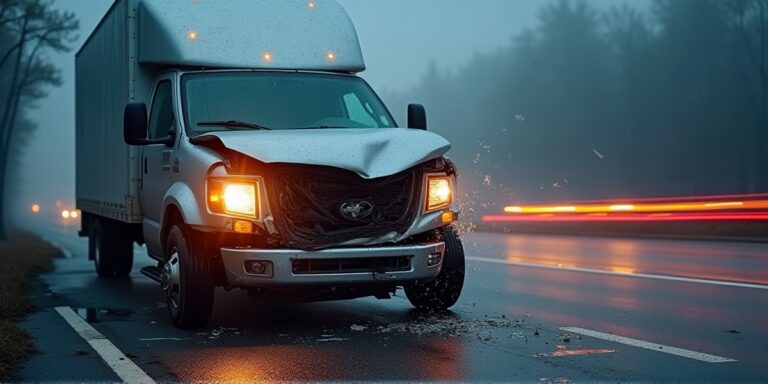
Moving truck accidents present unique challenges in San Diego. Unlike typical passenger vehicle collisions, these incidents often involve significant weight disparities, shifting cargo, and drivers with limited professional experience. This can complicate determining liability and maximizing your recovery. It’s crucial to understand your rights and act quickly to protect your claim.
One of the first things I advise clients to do is gather as much information as possible. This includes the police report, witness statements, photos of the scene, and any documentation related to the truck rental agreement. The rental company, the driver, and potentially even the loading company could share responsibility. We’ve seen cases where improper cargo securing led to catastrophic failures, and the rental agreement often contains clauses addressing liability for such incidents.
As a personal injury attorney with over 13 years of experience practicing in San Diego, I’ve successfully represented numerous clients injured in collisions with moving trucks. I was trained by a former insurance defense attorney, giving me intimate knowledge of how insurance companies evaluate, devalue, and deny claims. This insight allows me to anticipate their tactics and build a strong case on your behalf.
What types of negligence commonly cause moving truck accidents?
Moving truck accidents often stem from several key areas of negligence. Driver inexperience is a major factor; many individuals renting these vehicles lack the training and skill to safely operate such a large and unwieldy vehicle. This can lead to issues with maneuvering, braking, and maintaining control, especially when navigating San Diego’s busy freeways.
Improper cargo loading and securing is another frequent cause. Shifting cargo can drastically alter the truck’s center of gravity, making it unstable and prone to rollovers. Federal regulations dictate specific requirements for securing loads, and violations of these standards can be strong evidence of negligence.
Finally, inadequate vehicle maintenance can contribute to accidents. Brakes, tires, and lighting systems must be in proper working order, and failure to maintain these components can lead to catastrophic failures. We often investigate the truck’s maintenance records to identify any pre-existing issues that may have contributed to the collision.
How does California law impact my claim against a moving truck company?
California law provides a **two-year** window from the date of the truck accident to file a lawsuit. Because trucking companies often begin evidence destruction (like purging ELD data) as soon as the law allows, immediate filing is critical to preserve the integrity of the claim.
The concept of **vicarious liability** (respondeat superior) is also crucial. Under Civ. Code § 2338, a principal is responsible to third persons for the negligence of their agent in the transaction of business. This holds the trucking company legally liable for the wrongful acts of its drivers committed within the scope of their employment.
Furthermore, California’s ‘pure’ comparative fault system applies. Even if you shared some responsibility for the accident, you can still recover damages, although your compensation will be reduced proportionally to your degree of fault.
What evidence is important to collect after a moving truck accident?
Gathering comprehensive evidence is paramount. This includes the police report, which contains crucial information about the accident, including witness statements and the officer’s assessment of fault. Photos and videos of the scene, including damage to all vehicles involved, are also invaluable.
Obtain the truck rental agreement, as it may contain clauses addressing liability and insurance coverage. If possible, collect contact information from any witnesses. Medical records documenting your injuries and treatment are essential, as are records of any lost wages or other expenses incurred as a result of the accident.
Finally, consider whether dashcam footage or other digital evidence exists. Many vehicles now have built-in cameras, and this footage can provide a clear and unbiased account of the collision. We routinely work with accident reconstruction experts to analyze this evidence and build a compelling case.
What if the moving truck driver was working as an independent contractor?
Determining whether a driver is an employee or an independent contractor can be complex. California’s ‘ABC test’ determines if a delivery driver (Amazon/FedEx) is an employee or contractor. Even if labeled a ‘contractor,’ a company may be liable if they exercise control over the driver’s work, a key factor in San Diego delivery truck litigation.
Factors considered include the level of control the company exerts over the driver’s schedule, the tools and equipment provided, and the method of payment. If the company exercises significant control, the driver may be considered an employee, even if they are classified as a contractor. This can significantly impact your ability to recover damages.
We have experience navigating these complex legal issues and will thoroughly investigate the driver’s employment status to ensure you receive the maximum compensation possible.
What should I expect when dealing with the moving truck company’s insurance?
Insurance companies are often motivated to minimize payouts. They may attempt to downplay your injuries, challenge your version of events, or offer a settlement that is far below what you deserve. It’s crucial to avoid making any statements to the insurance company without first consulting with an attorney.
They may request a recorded statement, hoping to find inconsistencies or admissions that can be used against you. It’s best to politely decline and refer them to your attorney. We will handle all communications with the insurance company on your behalf, protecting your rights and advocating for your best interests.
Be prepared for delays and stalling tactics. Insurance companies often take their time processing claims, hoping you will eventually settle for less. We will aggressively pursue your claim, ensuring it is handled efficiently and fairly.
How long do I have to file a claim after a moving truck accident in San Diego?
In California, you generally have **two years** from the date of the accident to file a lawsuit. However, it’s crucial to act quickly, even within that timeframe. Evidence can be lost, witnesses’ memories can fade, and the statute of limitations for certain claims may be shorter.
If the accident involved a government-owned vehicle or a dangerous road condition maintained by a public entity, a formal administrative claim **MUST** be presented within **6 months** (180 days). Failure to meet this strict deadline under the Government Tort Claims Act can result in the permanent loss of your right to recover.
Don’t delay seeking legal counsel. The sooner you contact an attorney, the sooner we can begin investigating your claim and protecting your rights.
What if I was partially at fault for the accident?
California operates under a ‘pure’ comparative fault system. This means that even if you shared some responsibility for the accident, you can still recover damages. However, your total compensation will be reduced by your percentage of fault. For example, if you were 20% at fault, your recovery will be reduced by 20%.
The insurance company will likely attempt to argue that you were more at fault than you actually were. It’s crucial to have an experienced attorney on your side to investigate the accident, gather evidence, and present a strong defense against these claims.
We will thoroughly analyze the accident report, witness statements, and other evidence to determine the extent of your fault and ensure you receive the maximum compensation possible.
What if the truck driver was violating federal Hours of Service regulations?
Federal **Hours of Service (HOS)** regulations dictate exactly how long a driver can be behind the wheel. Violations of these federal safety standards, often proven through Electronic Logging Device (ELD) data, are used to demonstrate driver fatigue.
Driver fatigue is a major cause of truck accidents. When drivers are overworked and sleep-deprived, their reaction times are slowed, and their judgment is impaired. This can lead to catastrophic consequences.
We routinely request ELD data and other records to determine whether the driver was in compliance with HOS regulations. If a violation is discovered, it can be strong evidence of negligence and significantly increase your chances of recovering damages.
What if I have medical liens from my treatment?
Medical liens are claims placed on your settlement proceeds by healthcare providers who have treated you for your injuries. These liens must be resolved before you can receive your full compensation. We have extensive experience negotiating with healthcare providers to reduce the amount of your liens.
ER billing vs. medical liens can also be a point of contention. Emergency room bills are often significantly higher than the actual cost of treatment. We will work to ensure you are only responsible for reasonable and necessary medical expenses.
We will carefully review all medical liens and negotiate on your behalf to ensure you receive the maximum possible recovery.
What if the truck company is based out of state?
Even if the truck company is based out of state, you can still file a claim in California. We have experience litigating cases against national trucking companies and understand the complexities of interstate litigation.
We will handle all aspects of the claim, including investigating the accident, gathering evidence, and negotiating with the insurance company. You don’t need to worry about traveling to another state or dealing with unfamiliar legal procedures.
We will ensure your rights are protected, regardless of where the truck company is located.