Are Delivery Trucks Involved In Many San Diego Crashes?

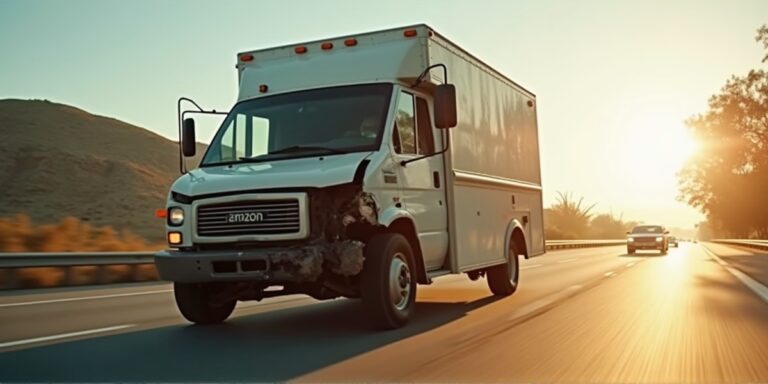
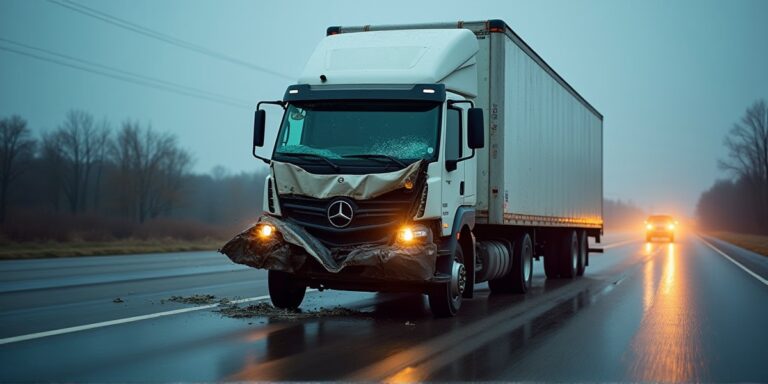
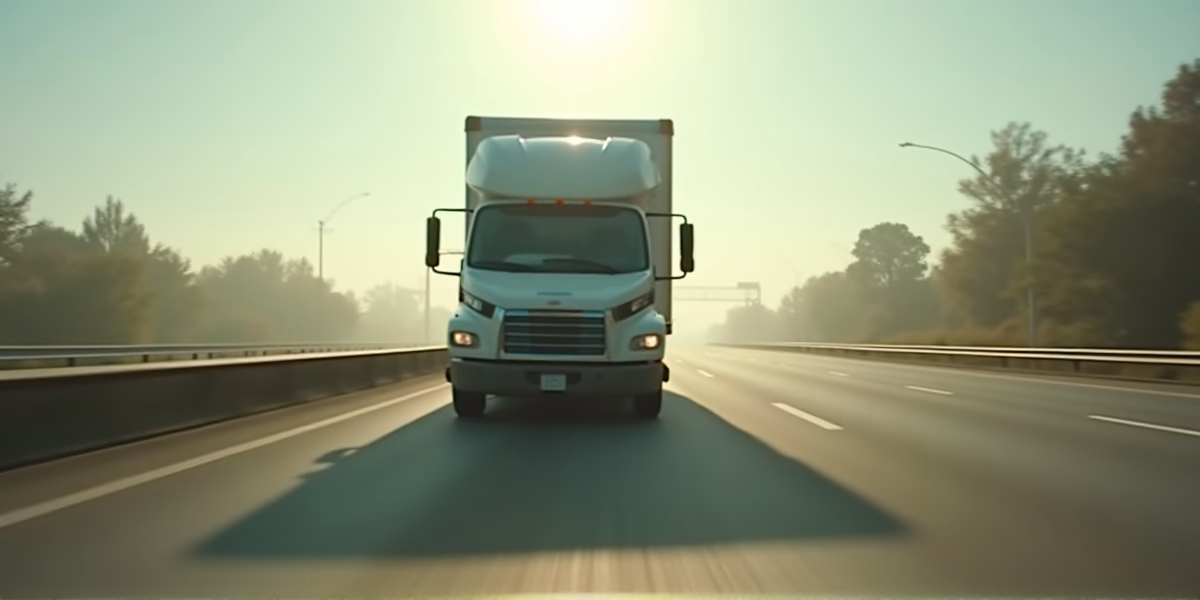
Delivery truck accidents are, unfortunately, becoming increasingly common in San Diego. The pressure to meet tight delivery schedules, combined with the sheer volume of these vehicles on our roads, creates a dangerous environment for everyone. While many of these accidents are preventable, the aftermath can be devastating, leaving victims with serious injuries, mounting debts, and a long road to recovery.
One of the biggest challenges in these cases is establishing liability. Often, the delivery company will attempt to minimize their responsibility, blaming the other driver or claiming the accident was unavoidable. However, it’s crucial to remember that these companies have a legal duty to ensure their drivers are properly trained, vehicles are well-maintained, and deliveries are made safely. When they fail to uphold these standards, they can be held accountable for the resulting damages.
As a personal injury attorney with over 13 years of experience practicing in San Diego, I’ve seen firsthand how insurance companies evaluate, devalue, and deny legitimate claims. I was trained by former insurance defense attorneys, giving me intimate knowledge of their tactics and strategies. This allows me to build a strong case on your behalf, protecting your rights and maximizing your potential recovery.
What types of evidence are most important in a San Diego delivery truck accident case?
Gathering compelling evidence is paramount in any delivery truck accident claim. Focus on securing the police report, which often contains crucial details about the accident, including witness statements and the officer’s initial assessment of fault. Photographs and videos of the accident scene, vehicle damage, and your injuries are also incredibly valuable. Additionally, any documentation related to your medical treatment, lost wages, and other expenses will be essential in proving your damages.
Dashcam footage, if available, can be a game-changer. Similarly, data from the truck’s Electronic Logging Device (ELD) can reveal critical information about the driver’s hours of service and potential fatigue. We often work with accident reconstruction experts to analyze the evidence and establish a clear timeline of events.
How does California law impact my ability to recover compensation after a collision with a delivery truck?
California law provides a **two-year** window from the date of the truck accident to file a lawsuit. Because trucking companies often begin evidence destruction (like purging ELD data) as soon as the law allows, immediate filing is critical to preserve the integrity of the claim. Furthermore, California’s ‘pure’ comparative fault system means you can still recover damages even if you were partially at fault for the accident, although your compensation will be reduced proportionally.
It’s also important to understand the concept of vicarious liability (respondeat superior). Under Civ. Code § 2338, the trucking company can be held legally responsible for the wrongful acts of its drivers committed within the scope of their employment. This means you may be able to pursue a claim against both the driver and the company.
What if the delivery driver was working as an independent contractor, not a direct employee?
Determining whether a delivery driver is an employee or an independent contractor can be complex. California’s ‘ABC test’ determines if a delivery driver (Amazon/FedEx) is an employee or contractor. Even if labeled a ‘contractor,’ a company may be liable if they exercise control over the driver’s work, a key factor in San Diego delivery truck litigation. We carefully investigate the driver’s relationship with the company, looking at factors such as the level of control exerted over their schedule, the provision of equipment, and the method of payment.
If the driver is deemed an employee, the company is generally liable for their actions. However, even if they are classified as an independent contractor, there may be grounds for a claim if the company was negligent in hiring or supervising them.
Can I pursue a claim if the truck was owned by a government entity or involved a dangerous road condition?
If a truck accident involves a government-owned vehicle or a dangerous road condition maintained by a public entity, a formal administrative claim **MUST** be presented within **6 months** (180 days). Failure to meet this strict deadline under the Government Tort Claims Act can result in the permanent loss of your right to recover. These claims often involve complex procedures and documentation requirements, making it essential to seek legal guidance promptly.
We have extensive experience handling claims against government entities in San Diego, navigating the intricate legal process and advocating for our clients’ rights.
What should I do if the insurance company asks me to give a recorded statement?
Insurance companies often request recorded statements shortly after an accident. While you may feel obligated to cooperate, it’s generally best to decline. These statements are designed to gather information that can be used to minimize their liability. They will likely ask leading questions and attempt to elicit admissions that could harm your claim.
Instead, refer them to your attorney. We can handle all communication with the insurance company on your behalf, ensuring your rights are protected and you don’t inadvertently say anything that could jeopardize your case.