Can I Recover Property Damage Compensation?

As a personal injury attorney practicing in San Diego for over 13 years, I’ve seen firsthand how devastating a truck accident can be, not just physically, but financially. The complexities of commercial trucking insurance and liability make it incredibly difficult for individuals to recover the full compensation they deserve. Insurance companies are skilled at minimizing payouts, and without experienced legal counsel, you risk accepting a settlement far below what your claim is actually worth.
One of the biggest hurdles in these cases is establishing liability. Was the truck driver negligent? Was the trucking company negligent in its hiring, training, or maintenance practices? These are questions that require a thorough investigation, and that’s where my experience comes in. I was trained by a former insurance defense attorney, giving me intimate knowledge of how insurance companies evaluate, devalue, and deny claims. I understand their tactics and know how to build a strong case to counter them.
What types of property damage can I recover in a truck accident claim?
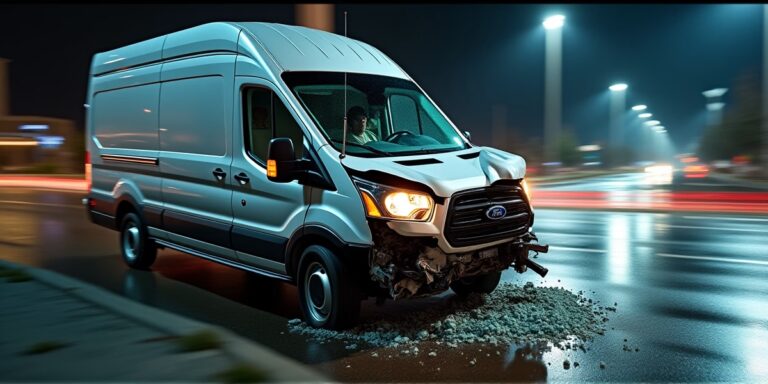
Recoverable property damage extends far beyond the simple replacement cost of your vehicle. While the fair market value of your car before the accident is a primary component, you’re also entitled to compensation for other related expenses. This includes the cost of a rental car while your claim is being processed, towing fees, storage costs, and any diminished value if your vehicle is repairable but suffers a loss in resale value due to the accident history.
Furthermore, don’t overlook the value of personal belongings that were inside your vehicle at the time of the crash. Items like laptops, phones, work equipment, or even sentimental possessions can be included in your property damage claim. It’s crucial to document everything thoroughly with photos, receipts, and appraisals whenever possible.
How long do I have to file a property damage claim after a truck accident in California?
California law provides a **two-year** window from the date of the truck accident to file a lawsuit. Because trucking companies often begin evidence destruction (like purging ELD data) as soon as the law allows, immediate filing is critical to preserve the integrity of the claim. Even if you’re negotiating with the insurance company, it’s essential to understand this statute of limitations and take prompt action to protect your rights. CCP § 335.1
Delays can be detrimental, as evidence can be lost, witnesses’ memories can fade, and the insurance company may become more aggressive in their attempts to deny your claim. I strongly advise contacting an attorney as soon as possible after a truck accident to ensure all necessary steps are taken within the legal timeframe.
What if the truck accident involved a government vehicle or roadway hazard?
If a truck accident involves a government-owned vehicle or a dangerous road condition maintained by a public entity, a formal administrative claim **MUST** be presented within **6 months** (180 days). Failure to meet this strict deadline under the Government Tort Claims Act can result in the permanent loss of your right to recover. Gov. Code § 911.2
These claims have specific requirements and procedures that differ significantly from standard personal injury lawsuits. It’s vital to consult with an attorney experienced in handling government liability cases to ensure your claim is properly filed and documented. San Diego has numerous public entities, and navigating their claim processes can be complex.
Can I recover diminished value even if my car was repaired?
Yes, you can often recover diminished value even if your vehicle has been repaired. Diminished value refers to the loss in resale value your car experiences due to its accident history. Even with quality repairs, a vehicle that has been involved in a serious accident is typically worth less than a comparable vehicle that has never been damaged.
Establishing diminished value requires a professional appraisal from a qualified expert. The appraiser will compare the value of your vehicle before the accident to its value after the repairs, taking into account the accident history and its impact on the market. This can be a significant component of your property damage claim, especially for newer or higher-value vehicles.
What role does the police report play in my property damage claim?
The police report is a crucial piece of evidence in any truck accident claim. It typically contains information about the accident location, the parties involved, witness statements, and the investigating officer’s opinion on the cause of the accident. However, it’s important to remember that the police report is not always conclusive.
The investigating officer may not have all the facts, and their opinion may be biased or incomplete. It’s essential to conduct your own independent investigation to gather additional evidence, such as photos of the scene, witness testimonies, and expert analysis of the accident data. I have extensive experience working with accident reconstruction experts in San Diego to build a strong case, even when the police report is unfavorable.
What if the truck driver was operating outside of federal Hours of Service regulations?
Federal **Hours of Service (HOS)** regulations dictate exactly how long a driver can be behind the wheel. Violations of these federal safety standards, often proven through Electronic Logging Device (ELD) data, are used to demonstrate driver fatigue. A fatigued driver is a dangerous driver, and a trucking company that allows or encourages drivers to violate HOS regulations can be held liable for the resulting damages. 49 CFR § 395
Obtaining and analyzing ELD data requires specialized knowledge and technical expertise. I work with forensic experts who can retrieve and interpret this data to uncover violations of HOS regulations and strengthen your claim.
What should I do if the insurance company asks me to provide a recorded statement?
I strongly advise against providing a recorded statement to the insurance company without first consulting with an attorney. Insurance adjusters are trained to ask leading questions designed to minimize your claim. They may try to trick you into making statements that contradict your claim or undermine your credibility.
A recorded statement can be used against you later in the claim process, even if you believe you’re being cooperative. Let me handle all communications with the insurance company on your behalf, and I will ensure your rights are protected.
What if I have medical liens that need to be resolved as part of my property damage claim?
Medical liens arise when a healthcare provider provides medical treatment for your injuries and seeks reimbursement from your settlement proceeds. These liens can significantly reduce the amount of compensation you receive, so it’s crucial to address them properly. I have extensive experience negotiating with healthcare providers and insurance companies to resolve medical liens fairly and efficiently.
We will carefully review your medical bills and liens to ensure they are valid and reasonable. In some cases, we may be able to reduce the amount of the lien through negotiation or legal action.
What is the process for pursuing a UM/UIM claim against my own insurance policy?
UM/UIM (Uninsured/Underinsured Motorist) coverage provides compensation if you’re injured by an uninsured or underinsured driver. Even if the at-fault driver doesn’t have insurance or has insufficient coverage to cover your damages, you may be able to recover compensation from your own insurance policy.
Pursuing a UM/UIM claim can be complex, as it often involves arbitration procedures and strict deadlines. I have extensive experience handling UM/UIM claims and will guide you through the process to maximize your recovery.
How important is evidence preservation in a truck accident case?
Evidence preservation is critical in any truck accident case. The sooner you take steps to preserve evidence, such as photos of the scene, witness contact information, and the damaged vehicles, the stronger your claim will be. Trucking companies often attempt to destroy evidence as soon as possible, so it’s essential to act quickly.
I will immediately send a spoliation letter to the trucking company, demanding that they preserve all relevant evidence, including ELD data, maintenance records, and driver logs. Failure to comply with a spoliation letter can result in significant penalties and a presumption of guilt.