Can Maintenance Contractors Be Liable After Crashes?

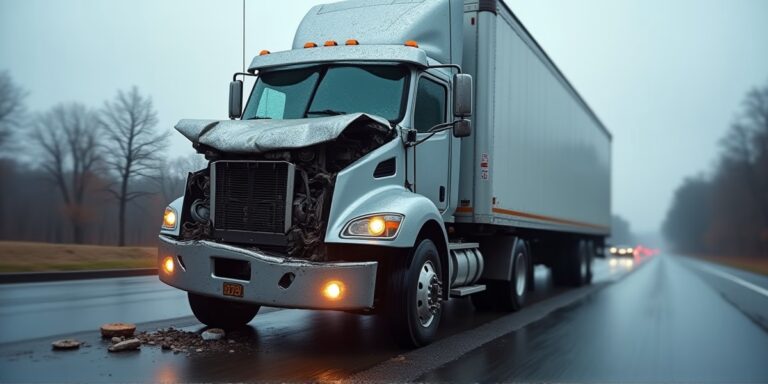
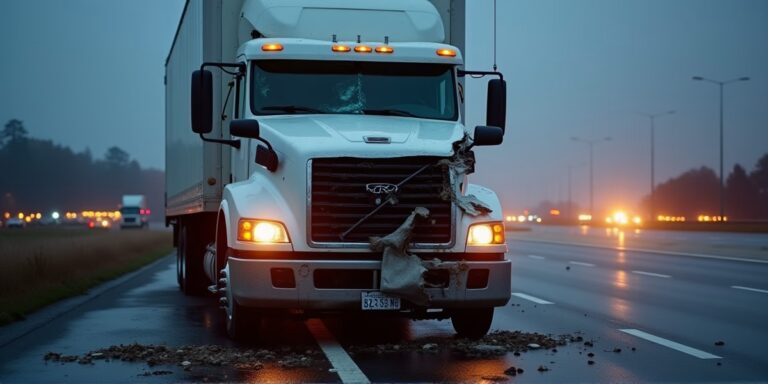
Determining liability in truck accidents often extends beyond the driver and the trucking company. When a third-party maintenance provider is responsible for the upkeep of a commercial vehicle, their negligence can directly contribute to a crash. This is especially true when routine inspections are skipped, repairs are improperly performed, or known defects are ignored. In Javier’s case, we discovered the maintenance company had a history of cutting corners on safety checks to maximize profits, a pattern that ultimately led to the catastrophic tire failure.
The legal principle at play here is vicarious liability, specifically as it applies to independent contractors. While a maintenance company isn’t a direct employee of the trucking firm, they still owe a duty of care to ensure the vehicles they service are safe for operation. Failure to uphold this duty can result in significant legal consequences, including financial responsibility for the damages caused by the accident. This is critical in cases where the driver has a history of FMCSA violations or lacked the proper CDL endorsements.
As a Personal Injury Attorney with over 13 years of experience practicing in San Diego, I’ve seen firsthand how insurance companies attempt to shield maintenance providers from liability. Trained by a former insurance defense attorney, I have intimate knowledge of how these companies evaluate, devalue, and deny claims. They’ll often argue the maintenance company had no direct control over the driver or the truck’s operation, attempting to minimize their exposure. However, a thorough investigation can often reveal a clear link between the negligent maintenance and the resulting accident.
Can a Trucking Company Be Held Liable for a Maintenance Company’s Negligence?

Yes, under the doctrine of **vicarious liability** (respondeat superior), a principal is responsible to third persons for the negligence of their agent in the transaction of business. This holds the trucking company legally liable for the wrongful acts of its drivers committed within the scope of their employment. However, this liability can also extend to third-party maintenance companies if they were negligent in their duties. The key is proving a direct connection between the maintenance company’s actions (or inaction) and the cause of the accident.
To establish this connection, we often rely on maintenance records, inspection reports, and expert testimony. These documents can reveal whether the company adhered to proper safety protocols, whether known defects were addressed, and whether the repairs were performed correctly. In many cases, a pattern of negligence can be uncovered, demonstrating a systemic failure to prioritize safety.
What Types of Negligence Can Lead to Maintenance Company Liability?
There are several ways a maintenance company can be found negligent, leading to liability in a truck accident. These include:
- Failure to Perform Adequate Inspections: Skipping routine safety checks or conducting superficial inspections that fail to identify critical defects.
- Improper Repairs: Performing repairs incorrectly or using substandard parts, leading to premature failure.
- Ignoring Known Defects: Failing to address known issues with the vehicle, such as worn brakes, faulty tires, or malfunctioning lights.
- Lack of Proper Training: Employing mechanics who are not properly trained or certified to perform maintenance on commercial vehicles.
How Do I Prove a Maintenance Company Was Negligent?
Proving negligence requires gathering substantial evidence. This often includes:
- Maintenance Records: Obtaining the vehicle’s maintenance history, including inspection reports, repair orders, and service logs.
- Expert Testimony: Hiring a qualified mechanic to review the maintenance records and provide an expert opinion on whether the company adhered to proper safety standards.
- Witness Statements: Gathering statements from drivers, mechanics, and other witnesses who may have observed the vehicle’s condition prior to the accident.
- Federal Regulations & Logbooks (ELD): federal **Hours of Service (HOS)** regulations dictate exactly how long a driver can be behind the wheel. Violations of these federal safety standards, often proven through Electronic Logging Device (ELD) data, are used to demonstrate driver fatigue.
What if the Maintenance Company Claims They Were Just Following the Trucking Company’s Instructions?
This is a common defense tactic. However, it doesn’t necessarily absolve the maintenance company of responsibility. They still have a duty to ensure the vehicle is safe, regardless of the trucking company’s instructions. If the instructions were negligent or violated safety regulations, the maintenance company should have refused to comply. Furthermore, the trucking company can also be held liable for directing the maintenance company to perform unsafe repairs.
What is the Statute of Limitations for Filing a Claim Against a Maintenance Company?
In California, the statute of limitations for personal injury claims is generally **two years** from the date of the truck accident. Because trucking companies often begin evidence destruction (like purging ELD data) as soon as the law allows, immediate filing is critical to preserve the integrity of the claim. This includes pursuing claims against both the trucking company and any negligent maintenance providers. CCP § 335.1
What Should I Do if I Suspect Negligent Maintenance Contributed to My Truck Accident?
If you believe negligent maintenance played a role in your truck accident, it’s crucial to contact an experienced attorney as soon as possible. We can conduct a thorough investigation, gather the necessary evidence, and build a strong case against all responsible parties. Don’t let the insurance companies dictate the outcome of your claim. Protect your rights and seek the compensation you deserve.