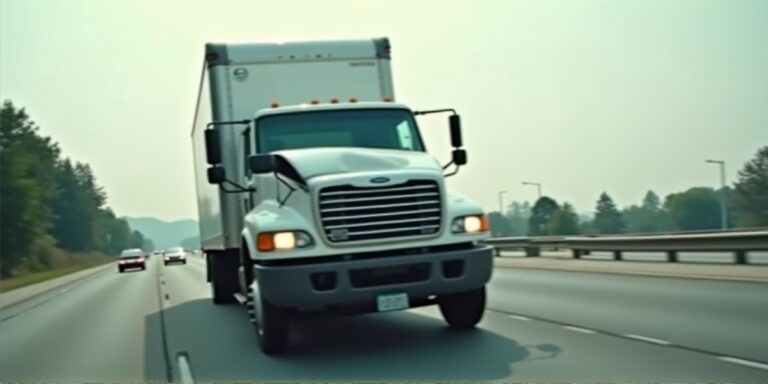
Do Government Truck Accident Claims Have Special Deadlines?

Government entities—whether it’s Caltrans, the city, or the county—operate very differently than private companies when it comes to accident claims. They have specific procedures and, critically, much shorter deadlines for filing a notice of claim. Ignoring these deadlines can be fatal to your case, even if the government is clearly at fault.
The biggest difference is the requirement for a formal administrative claim before you can even *think* about filing a lawsuit. This isn’t like suing a trucking company directly. You must first present your claim to the government agency, giving them an opportunity to investigate and potentially settle. This process can take months, and if they deny your claim (which is common), you then have a limited time to file a lawsuit. Failing to follow this process precisely can result in the complete loss of your right to recover compensation.
I’ve been practicing personal injury law in San Diego for over 13 years, and I’ve seen countless cases derailed by missed government claim deadlines. I was trained by a former insurance defense attorney, giving me intimate knowledge of how insurance companies evaluate, devalue, and deny claims. This background allows me to anticipate their tactics and build a stronger case from the outset.
What is the deadline for filing a claim against a government truck?

In California, if a truck accident involves a government-owned vehicle or a dangerous road condition maintained by a public entity, a formal administrative claim **MUST** be presented within **6 months** (180 days). Failure to meet this strict deadline under the Government Tort Claims Act can result in the permanent loss of your right to recover. This is a non-negotiable timeframe, and it starts running from the date of the accident.
The claim must be detailed and include all known damages, including medical expenses, lost wages, property damage, and pain and suffering. It’s crucial to gather as much evidence as possible upfront, such as police reports, witness statements, and medical records. Simply notifying the government of the accident isn’t enough; you need to present a comprehensive claim with supporting documentation.
The 6-month deadline is particularly unforgiving. It’s not like a statute of limitations where there might be some leeway. The government can, and will, deny your claim if it’s filed late, even by a single day. This is why it’s essential to consult with an attorney immediately after a truck accident involving a government entity.
What information should I include in my government claim?
Your government claim needs to be thorough and meticulously documented. At a minimum, it should include the date, time, and location of the accident, a detailed description of how the accident occurred, and the specific government negligence that caused your injuries.
Supporting documentation is critical. This includes a copy of the police report, witness statements (if available), medical records detailing your injuries and treatment, and estimates for property damage and lost wages. If the accident involved a dangerous road condition, include photos or videos of the hazard.
Be as specific as possible when outlining your damages. Don’t just say “medical expenses”; itemize each bill and treatment. Don’t just say “lost wages”; provide pay stubs and a calculation of your lost income. The more detailed your claim, the stronger your case will be.
What happens if the government denies my claim?
Unfortunately, government entities often deny initial claims. This isn’t necessarily the end of the road, but it does mean you’ll need to file a lawsuit to pursue your case further. However, you have a limited time to do so after the denial.
Once the government denies your claim, you typically have **six months** from the date of the denial to file a lawsuit in court. This deadline is just as strict as the initial claim deadline, so it’s crucial to act quickly. Your attorney will prepare a complaint outlining your allegations of negligence and seeking compensation for your damages.
The litigation process can be complex and time-consuming. The government will likely defend its actions vigorously, and you may need to engage in discovery, depositions, and potentially a trial. Having an experienced attorney on your side is essential to navigate this process effectively.
Can I sue the government truck driver directly?
Generally, you cannot sue a government truck driver directly. Instead, you must sue the government entity that employs the driver. This is based on the legal principle of sovereign immunity, which protects government agencies from certain types of lawsuits.
The government entity is responsible for the negligent actions of its employees, including truck drivers. This means you’ll be pursuing your claim against the agency, not the individual driver. Your attorney will need to gather evidence to prove the agency was negligent in its hiring, training, or supervision of the driver.
This also means that the government entity will typically provide the legal defense for the driver. They will hire attorneys to represent the agency and fight your claim. This is why it’s so important to have an experienced attorney who understands how to navigate these types of cases.
What if the accident was caused by a dangerous road condition?
If the truck accident was caused by a dangerous road condition – such as potholes, inadequate signage, or improper lane markings – you can still file a claim against the government entity responsible for maintaining the road. However, the same strict deadlines apply.
You’ll need to prove that the government entity knew or should have known about the dangerous condition and failed to take reasonable steps to repair it. This can involve gathering evidence such as maintenance records, incident reports, and witness statements.
Documenting the road condition is also critical. Take photos or videos of the hazard, and if possible, obtain statements from other drivers who have experienced similar problems. The more evidence you can gather, the stronger your case will be.
What should I do if I receive a recorded statement request from the government insurer?
If you receive a recorded statement request from the government insurer, **do not** provide a statement without first consulting with an attorney. These statements are often used to minimize your claim or deny it altogether.
The government insurer will likely try to get you to admit fault or downplay your injuries. They may ask leading questions designed to elicit information that can be used against you later. It’s crucial to have an attorney present during any recorded statement to protect your rights.
In most cases, it’s best to politely decline the request and refer the insurer to your attorney. Your attorney can handle all communication with the insurer and ensure that your rights are protected.
How do medical liens affect my truck accident settlement?
Medical liens can complicate your truck accident settlement. A medical lien is a legal claim against your settlement proceeds to cover unpaid medical bills. If you’ve received treatment for your injuries, the medical providers may file a lien against your recovery.
It’s important to understand that you are ultimately responsible for paying your medical bills, even if you settle your case. Your attorney can negotiate with the medical providers to reduce the lien amount or arrange a payment plan.
In some cases, it may be possible to resolve the lien for a smaller amount than the full bill. Your attorney will work to protect your interests and ensure that you receive the maximum possible recovery after paying off any outstanding liens.
What is the importance of preserving evidence after a truck accident?
Preserving evidence is crucial after a truck accident, especially when dealing with a government entity. The government may have a legal obligation to preserve certain evidence, but they may also destroy it after a certain period of time.
This includes police reports, witness statements, photos of the accident scene, and any data from the truck’s electronic logging device (ELD). Your attorney can send a spoliation letter to the government entity, demanding that they preserve all relevant evidence.
It’s also important to gather your own evidence, such as photos of your injuries and property damage, medical records, and lost wage documentation. The more evidence you can gather, the stronger your case will be.
What are the procedures for UM/UIM arbitration in San Diego?
If the government entity is uninsured or underinsured, you may need to pursue a claim under your own Uninsured/Underinsured Motorist (UM/UIM) policy. This process typically involves arbitration, where a neutral third party will determine the amount of your recovery.
The UM/UIM arbitration process can be complex and time-consuming. Your attorney will need to gather evidence to prove the other driver’s negligence and your damages. They will also need to prepare a compelling arbitration brief outlining your case.
It’s important to understand that your insurance company has a financial interest in minimizing your recovery. Your attorney will advocate for your rights and ensure that you receive a fair settlement.
What is the statute of limitations for a truck accident in California?
California law provides a **two-year** window from the date of the truck accident to file a lawsuit. Because trucking companies often begin evidence destruction (like purging ELD data) as soon as the law allows, immediate filing is critical to preserve the integrity of the claim.
However, as discussed above, the deadline for filing a claim against a government entity is much shorter – only **six months**. It’s important to be aware of both deadlines and act accordingly. Your attorney can ensure that your claim is filed on time and in compliance with all applicable laws.
Don’t delay seeking legal advice after a truck accident. The sooner you consult with an attorney, the better your chances of recovering the compensation you deserve.